2026 clothing trends are already visible in stores, pre-season lookbooks, and what people actually wear on the street. This guide translates the ideas into pieces, fits, and outfit formulas you can put to work without overhauling your entire closet or chasing every drop.
If you like to skim and save ideas, bookmark our Clothing Trend hub at smartlifestyleapparel.com for ongoing brand examples and seasonal updates. Keep this page open while you plan purchases, edit your closet, or pack for a trip.
2026 clothing trends: the big picture
Two ideas set the tone for the year: relaxed precision and practical polish. Clothes lean easier, but they are cut on purpose. Think soft shoulders, room to move, long-line layers, and pockets or fasteners scaled down so they feel neat rather than rugged. The most wearable versions favor fabric that breathes, packs easily, and looks composed straight from a tote or suitcase.
That translates into outfits that feel modern even when the pieces are simple. A drapey trouser with a ribbed polo and a light trench can handle a full day of meetings and dinner. Wide-leg denim, a tucked tee, and a padded belt look casual but intentional. A long coat over a column of one color reads sharpened without stiffness.
What not to worry about: owning every new shape or color. What to focus on: proportion updates, a compact palette you enjoy, and fabrics that feel good on skin. With those three choices, the rest of your closet starts to cooperate.
- Silhouettes: wider and longer, but with discipline at the shoulder and waist.
- Colors: grounded neutrals, then a single accent you repeat across shoes, belts, or knit tops.
- Materials: textured and touchable, chosen for comfort, recovery, and line.
As you read, note the small swaps that deliver the biggest updates. Those are the moves that make 2026 feel current without replacing staples that already work for you.
Silhouettes and proportions that signal the year
Updating silhouette is the fastest way to look current. 2026 favors pieces that skim rather than cling, with length that frames the outline. You can keep favorite tees, sweaters, and shirts and build a new line around them.
Key shapes to try:
- Fluid tailoring: blazers with eased armholes, soft shoulders, and an extra inch through the body; trousers with a gentle drape, slight break at the shoe, and a clean front.
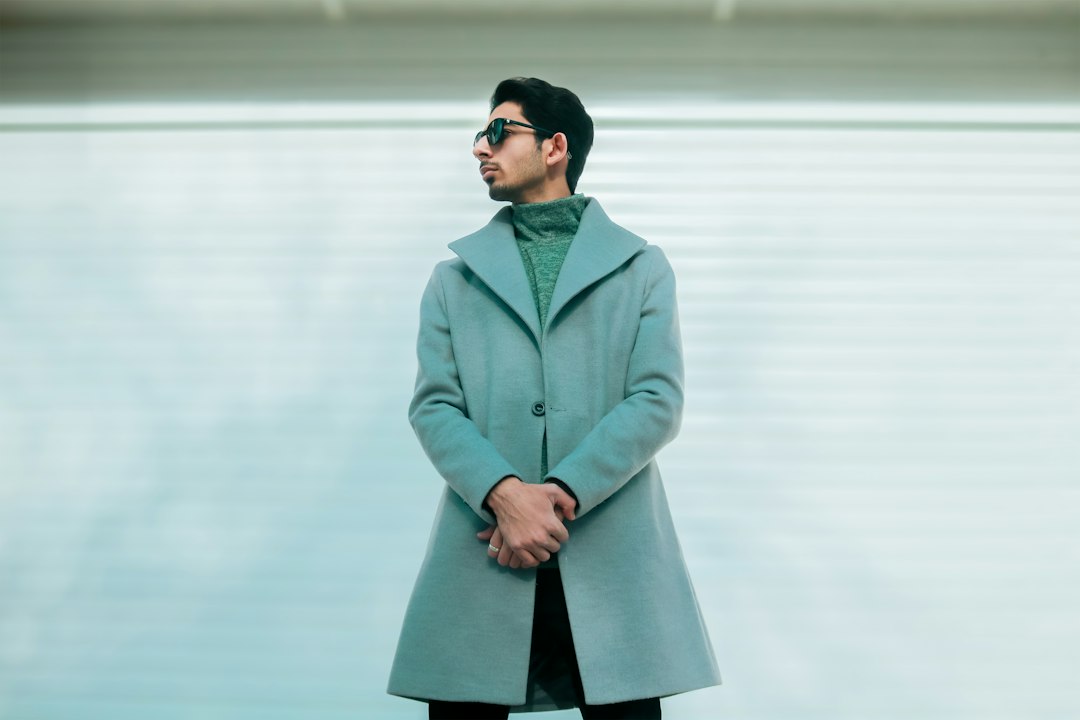
- Long-line layers: trench-inspired coats, dusters, and elongated overshirts that hit mid-thigh to knee; they finish simple bases and lend vertical flow.
- Relaxed bottoms: wide-leg denim, full straight pants, and soft pleats; balance the volume with a neat top or a belt.
- Shaped knitwear: polo knits, ribbed vests, and fine cardigans that lie smoothly under jackets without bulk.
- Modern cargo: flat pockets, tone-on-tone stitching, and subtle hardware for city-smart ease.
Easy proportion flips you can use today:
- Relaxed top + tapered bottom: a soft-shoulder blazer with a trim ankle trouser gives a gentle A-line that reads composed.
- Wide bottom + fitted base: a rib tank or compact tee tucked into wide-leg pants, topped with a long open shirt to stretch the line.
- Long coat + sturdy shoe: a knee-grazing coat grounded by square-toe boots or low-contrast retro runners keeps the look balanced.
Fit self-check in the fitting room:
- Blazers: shoulder ends align with your shoulder bone; you can raise your arms without the back pulling; the front closes without tension.
- Trousers: the seat lies smooth; the hem just meets the shoe; the waistband feels steady standing and seated.
- Knits: ribbing lies flat at cuffs and hem; no diagonal pulling at the armhole; the knit slides under a jacket without bunching.
Body-aware notes:
- Petite: prioritize long lines; choose wide legs with front creases and shoes that blend with the hem color.
- Tall: let length be a feature; overshirts, extended cuffs, and deeper trouser breaks add intention rather than extra volume.
- Curvy: hold structure at the shoulder or waist; a V-neck, open collar, or shaped knit provides visual verticality.
- Straight: add drape with soft pleats, fuller sleeves, and textured layers for depth without cling.
Color trends and simple palettes that work together
The color story balances calm neutrals with confident brights and softened pastels. The simplest move is to choose two neutrals and one accent you repeat across accessories and a knit or shirt. That way, outfits click together without a second thought.
Reliable neutrals for 2026:
- Stone and bone: warm off-whites that flatter more skin tones than stark white.
- Greige and mushroom: modern greys with a touch of brown; they soften black-heavy closets.
- Ink and midnight: deeper than navy, easier than black; crisp with both brights and pastels.
Accents that lift a look:
- Cerulean and cobalt: clear, optimistic blues that make neutral columns feel designed.
- Tomato red: sharp and wearable in belts, bags, and polo knits if a full look feels bold.
- Digital pastels: lavender-grey, soft pistachio, and muted peach—slightly desaturated for polish.
Palettes you can copy:
- Column + pop: one neutral head to toe (ink, greige, stone) plus a single accent belt or bag.
- Tonal stack: light, mid, and deep values of the same hue layered together for easy harmony.
- Triad balance: neutral base + mid-tone color + a small bright accent repeated once (hat and sock, belt and bag).
Care notes for color: a quick cold rinse before first wear can lower the chance of darker dyes transferring. Store inky denim away from light knits and pale leather goods to keep finishes looking new. If a color feels intense near your face, try it at the belt, on your shoe, or in a bag for the same energy at lower volume.
Fabrics and materials built for real life
Fabric choice determines comfort, longevity, and how easily a piece works across settings. In 2026, texture does as much heavy lifting as color or print, and performance comes from breathability, recovery, and clean drape rather than stiff finishes.
Smart fabric families to prioritize:
- Technical knits: viscose or modal blends that breathe, fine merino that regulates temperature, and compact cotton ribs; ideal for layers that resist creasing in a backpack or tote.
- Brushed twill and sateen: soft hand and a low sheen that can read refined with a belt and boot or relaxed with a sneaker.
- Open-weave and mesh: airy structure that adds dimension without weight; wearable under blazers or over simple tanks.
- Bio-based leather alternatives: look for supple grain and finished edges; these newer materials often handle humidity better than older faux options.
- Recycled and re-milled denim: mid-weight with immediate softness; holds line without feeling stiff.
In-store quality checks:
- Rub the surface lightly; if it fuzzes instantly, visible pilling may arrive sooner than you’d like.
- Hold to the light; a dense weave drapes cleanly and typically resists bagging at the knee or elbow.
- Stretch and release; fabric that snaps back is more likely to keep its shape between washes.
Care routines that help pieces last:
- Wash cool, use gentle spin, and press with a warm iron or steamer to support hand-feel and silhouette.
- Air-dry knits flat on a towel, shaping them with your hands so edges lie smoothly.
- Protect delicate open-weaves in a mesh bag to limit abrasion in the machine.
Small habit that pays off: hang jackets and trousers in fresh air for a few minutes after wear. This can refresh the fabric so full laundering is needed less often, which supports color and fiber life over time.
Prints, textures, and surface interest
Prints lean architectural and subtle, while texture does a lot of styling work on its own. If you typically avoid prints, try textured solids first for dimension without the commitment of pattern.
Options that read modern:
- Micro-geometrics: tiny grids, pencil stripes, and pin dots that pair with both suits and jeans.
- Scaled-down heritage checks: houndstooth and tweed effects rendered in two-tone palettes (ink/stone) for a quiet punch.
- Varsity-inspired stripes: wider collar stripes on polo knits, narrow stripes on socks and tees; stay in neutral mixes for versatility.
- 3D surfaces: crinkle, plissé, and puckered cottons that travel well and layer under coats for depth.
Mixing rules that simplify choices:
- Combine one small print with an even smaller one, or swap one print for a textured solid.
- Link pieces with a shared color (ink stripe shirt with ink micro-dot tie; stone tweed with bone tee).
- Keep competing scales away from your face; place the bolder element on the farthest layer.
What to watch in photos: shine level. A bit of sheen can read refined; too much can flatten a silhouette under bright lights. If you shoot photos indoors frequently, test garments with your phone flash and adjust your picks accordingly.
Denim and utility, but city-smart
Denim keeps leading, and utility details remain present, but the execution is quieter. Hardware gets smaller, stitching matches the fabric, and pockets lie flat. The result is practical ease that plays well with tailoring and knitwear instead of fighting it.
Denim fits that suit 2026:
- Full straight: a straight leg with generous knee and hem; wear with a tucked knit and belt to keep the line defined.
- Wide taper: room at the thigh narrowing to the ankle; sharp with cropped jackets or compact hoodies.
- Relaxed flare: a subtle kick from mid-calf; pair with boots to emphasize vertical flow.
Wash and finish pointers:
- Mid-to-dark rinses read most polished and work from weekday to weekend with a quick change of shoe.
- Overdye inks and deep greys sit well under stone coats, bone sneakers, and brushed twill shirts.
- Keep distressing minimal for more outfit mileage across settings.
Thrift and rework suggestions:
- Tailor vintage work pants below the knee to modernize the leg line.
- Raise or raw-hem long denim to reduce weight at the ankle and show footwear.
- Swap bulky pocket flaps for clean, hidden fasteners at a local alterations shop.
Occasion dressing without the fuss
Most days flex between desk, commute, errands, and dinner. Build a micro-capsule that swaps accessories and outer layers to shift tone in seconds. The aim is confident ease rather than big-event outfits that sit in a garment bag.
A 12-piece capsule that covers work, weekends, and evenings:
- 2 blazers: one ink, one greige
- 3 knit tops: rib tank, polo knit, fine crew
- 3 bottoms: wide-leg denim, drapey trouser, full straight chino
- 2 shirts: crisp poplin, open-weave overshirt
- 1 long coat: trench or duster
- 1 column dress or jumpsuit alternative: minimal details for layering
Outfit formulas to steal:
- Office: greige blazer + ink trouser + pale knit + belt + loafers.
- Weekend: open-weave overshirt + rib tank + wide-leg denim + retro runners.
- Evening: long duster + column base + square-toe boots + small structured bag.
Small switches with big impact:
- Trade sneakers for boots and add a belt; the same base reads sharper.
- Layer a long coat over a head-to-toe neutral; you get instant composition without extra pieces.
- Clip a slim pouch to a belt loop for utility polish when a bag feels fussy.
Footwear and accessories that set the tone
Footwear and accessories decide whether outfits lean casual or refined. One strong choice is enough; keep other accents quiet to avoid visual noise.
Footwear highlights:
- Chunky loafers: softly rounded toe, stacked midsole, subtle hardware; works with denim and drapey trousers alike.
- Minimal tech runners: retro silhouettes with breathable uppers; low contrast for commute-to-office wear.
- Square-toe boots: straight shaft and rubberized or leather sole; balances wide-leg pants.
Accessory direction:
- Belts: padded or double-stitch edges in bone, ink, or tomato red for controlled contrast.
- Bags: slim crossbodies, fold totes, and compact backpacks with quiet hardware.
- Jewelry: brushed silver cuffs, signet rings, and neat hoop stacks that play well with tailored and casual looks.
- Hats: soft-structured caps in twill or wool; bucket shapes in textured cottons.
Balance rule: if the shoe is bold, keep the belt and bag quiet; if the outfit is minimal, a distinctive buckle or colored bag can carry the look. Over time, repeat the same accent color in 2–3 places in your wardrobe so mixing feels intuitive.
Fit, inclusivity, and tailoring tweaks
Clothes land best when the fit respects your proportions. 2026 silhouettes are forgiving, yet a few inexpensive alterations can make off-the-rack pieces feel custom.
High-impact, low-effort tailoring:
- Hem precision: adjust trouser hems so they just meet your shoe; wide legs look cleaner with a specific break.
- Below-knee taper: modernizes vintage or work pants and reduces heel catches.
- Sleeve shorten: bring blazer sleeves to the wrist bone to frame watches and cuffs.
- Dart finesse: add small darts to the back of knits or shirts if the waist balloons; a local alterations shop can do this quickly.
Comfort-first construction details to look for:
- Side elastic panels in waistbands that flex with your day.
- Split backs and unstructured shoulders in blazers to support movement.
- Knitted suiting fabrics that hold shape but feel soft against skin.
When in doubt, take a quick mirror photo from the side. If a line collapses at the knee, ankle, or shoulder, a small tweak or size exchange usually restores the intended shape.
Layering, travel, and care routines
Weather swings and packed schedules make layering a year-round habit. The winning recipe is a breathable base, a textured middle, a structured top layer, and a shield you add only as needed.
Layering blueprint:
- Base: lightweight knit tank, jersey tee, or fine long sleeve; choose a close fit so other layers slide easily.
- Middle: open-weave shirt or polo knit; adds texture and light warmth without bulk.
- Top: soft blazer or long duster for line and structure.
- Shield: trench or compact rain shell reserved for wind and showers.
Fabric weight strategy:
- Favor mid-weight knits that layer over and under without catching.
- Pick wrinkle-resistant twill or sateen on travel days so you look composed straight from a bag.
- Carry a small scarf or neckerchief to buffer drafts and lift neutral outfits.
Carry-on capsule for a 3–4 day trip:
- One blazer, one long coat
- Two knits, one open-weave shirt
- One drapey trouser, one denim, one column base (dress or jumpsuit)
- One pair of runners, one pair of loafers or boots
- One belt, one compact bag, small jewelry kit
Pack like this:
- Build outfits around a two-neutral palette (ink + stone, greige + bone) plus a single accent.
- Roll knit tops and tuck socks inside shoes to save space and help shoes keep shape.
- Use packing cubes to separate clean and worn pieces; a mesh cube lets airflow reduce musty smells.
Care routines that extend garment life:
- Air pieces after wear and steam creases before washing; this often restores shape and reduces wash frequency.
- Turn denim and printed tees inside out on cool cycles to lower friction.
- Spot-clean tailored pieces promptly and hang on wide-shoulder hangers to protect the line.
- Store special-occasion pieces in breathable garment bags; avoid plastic for long-term storage.
- Slip shoe trees into leather footwear between wears to maintain shape.
Wardrobe audit and shopping roadmap
Shopping with a plan saves time and budget. A short audit reveals which updates will shift your closet toward 2026 with minimal effort.
30-minute closet audit:
- Pull your go-tos: lay out the five outfits you wore most in the past two months.
- Check the outline: do the pants look slim while current shapes skew wider? Are most tops cropped while outer layers run long now?
- Mark repeats: list the items that show up across looks (e.g., light knit, dark trouser, long coat).
- Note friction: where do you hesitate—color, fit, comfort? That’s where small updates may help.
- Pick two moves: choose one silhouette shift (e.g., wide-leg trouser) and one color accent to repeat across accessories.
Shopping checklist to run before checkout:
- Outfit math: can this item make three outfits with pieces you already own?
- Proportion nudge: does it update your outline toward 2026 without fighting your current wardrobe?
- Fabric test: does it feel good, recover after stretch, and drape cleanly?
- Care reality: will you follow the care instructions consistently?
- Budget logic: will this reduce future buys of lower-quality substitutes?
- Return window: do you have time to try it with your closet at home?
Where to invest vs. save:
- Invest: blazers, long coats, trousers with great drape, boots that fit your routine.
- Save: accent belts, seasonal caps, trend-color tees that rotate in occasionally.
Secondhand and re-commerce pointers:
- Search by fabric and silhouette rather than brand (e.g., “merino polo knit,” “wide-leg pleated trouser”).
- Rely on measurements more than tagged size; sizing varies widely across labels and years.
- Pick darker even-wash denim to hide minor wear and extend outfit range.
- Budget for tailoring; a small alteration can make a great secondhand find look custom.
If you want seasonal recaps and live brand examples that map to these ideas, check the Clothing Trend stories on smartlifestyleapparel.com. You’ll find look-by-look breakdowns, price comparisons, and simple plug-in alternatives for different budgets.
Make trends personal: build a uniform you enjoy
Trends feel best when they serve your routine, climate, and taste. The aim isn’t to replace everything; it’s to build a clear map and repeat it with small variations.
Build your reference card and keep it in your notes app:
- Silhouette: tops (e.g., relaxed shoulder, shaped waist) + bottoms (e.g., full straight or wide taper).
- Palette: two neutrals you rely on, two mid-tones you like, and one accent bright to repeat.
- Texture: the surface you want to see often (e.g., brushed twill) and one to use sparingly (e.g., glossy satin).
- Uniform: your go-to formula (e.g., knit polo + drapey trouser + belt + loafers).
To test your map, lay outfits on the bed by category (work, weekend, evening) and take mirror photos. Make an album titled “2026 outfits.” Re-wear the winners, note gaps that repeat, and address only those gaps when you shop. This gentle loop keeps your style consistent while the year’s shapes and colors flow through it.
Quick reference: 2026 highlights at a glance
Save these notes for fast refreshers before you shop or pack.
- Silhouettes: relaxed precision—soft shoulders, long-line layers, wide legs, full straight cuts.
- Colors: stone, greige, ink; accents in cerulean, cobalt, tomato red, and digital pastels.
- Fabrics: technical knits, brushed twill, open-weave textures, modern leather alternatives.
- Prints: micro-geometrics, scaled heritage checks, varsity stripes; use texture when prints feel loud.
- Denim: full straight, wide taper, relaxed flare in mid-to-dark rinses with minimal distressing.
- Footwear: chunky loafers, minimal tech runners, square-toe boots.
- Layering: base–middle–top–shield; mid-weight fabrics and compact shells for travel.
- Care: air and steam between washes; cool cycles; protect garment shape in storage.
- Shopping: outfit math, proportion nudge, fabric recovery, realistic care, return window.
Make a couple of smart swaps, repeat a color you love, and choose fabrics that feel good. That’s enough to step into 2026 looking current, comfortable, and unmistakably you.