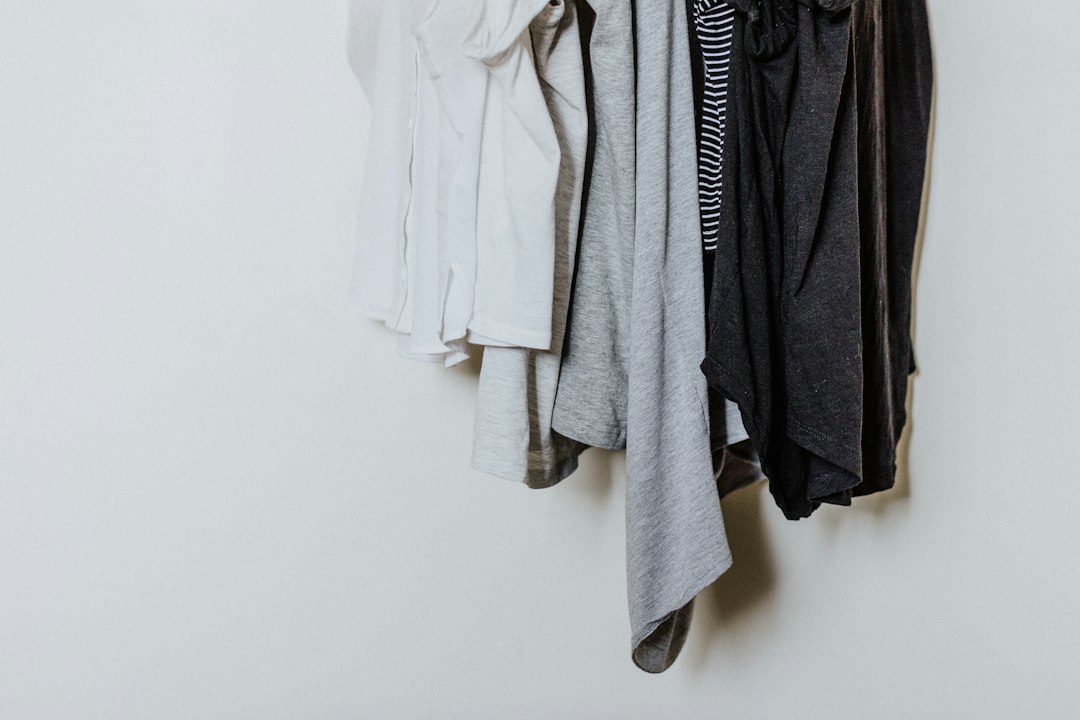
Smart Lifestyle Apparel online shopping can be simple, confident, and satisfying when you approach it with a plan. This guide walks you through practical steps to choose the right size, evaluate fabrics and construction, time purchases for value, handle shipping and returns smoothly, care for your garments, and pay securely—so your wardrobe feels intentional, comfortable, and ready for real life.
Smart Lifestyle Apparel online shopping essentials
Good online habits save time, money, and hassle. Before you browse, define the job a new piece will do. Are you replacing a faded tee you wear twice a week, filling a gap for a breathable button-down, or upgrading a commuter layer that needs better weather resistance? Clear intent keeps you from buying for a fantasy day and aligns choices with what you actually wear.
Create a short list divided into must-haves and nice-to-haves. Must-haves involve function and fit: fabric breathability, stretch, pockets, length, and whether the piece layers well under or over others. Nice-to-haves might be a specific neckline, tonal stitching, or a color that complements your existing palette. When a product page delivers the must-haves and several nice-to-haves, it’s a candidate worth shortlisting.
Read every product page like a spec sheet. Look for material composition, knit or weave type, fabric weight (gsm or oz/yd²), care instructions, a detailed size chart, model details, and fit notes like slim, classic, or relaxed. If garment measurements are listed, compare them to a similar item you own by measuring flat across chest, shoulders, and hem. This habit dramatically increases fit confidence and reduces returns.
Finally, set a small budget buffer for tailoring or adjustments when that makes sense, especially for inseams and sleeve lengths. A perfect fit off the rack is great, but a minor hem can turn a good purchase into a staple you reach for weekly. Plan for that possibility rather than being caught off guard.
Find your size: measuring at home without guessing
A flexible cloth tape measure is the best investment you can make for online apparel. Spend five minutes measuring once, and you’ll save hours of returns later. Record these baseline measurements: chest, natural waist, high hip, low hip, shoulder width, sleeve length (from shoulder seam to wrist), body length (shoulder to hem), rise (front and back if possible), thigh, knee, and inseam. Capture both centimeters and inches so you can match different charts quickly.
When mapping to charts, identify whether the brand lists body measurements or garment measurements. Body charts match your body numbers to a recommended size. Garment charts list the clothing dimensions; in that case, measure a favorite comparable item laid flat and compare like-for-like. For example, if your favorite tee measures 52 cm across the chest (laid flat), look for a garment chest width around 51–53 cm in the size grid.
Interpret fit language carefully. Slim fits are close to the body; classic fits aim for ease without excess; relaxed fits add drape and movement; oversized fits go even further. A chest measurement that seems identical in the chart can feel different in each cut because the armhole shape, shoulder slope, and side seam angle affect drape. If you’re between sizes, consider your layering plan. For a mid-layer or outer layer, a slight size up may be helpful; for base layers and tees, true-to-size often feels best.
Use a try-on protocol at home. When your order arrives, try pieces with the shoes and layers you plan to wear. Move naturally—reach forward, raise your arms, bend down, sit, and walk. Check for pulling across the shoulders, gaping at buttons, and hem lift. For pants, sit to test rise comfort, squat to test seam stress, and walk around to feel knee and seat mobility. Take photos in natural light to evaluate drape and color in a real environment. Keep notes on what fits and why; over time, you’ll build a “fit library” unique to the brand.
Fabric, construction, and comfort: what to look for
Fabric choice is where comfort begins. Cotton brings softness and breathability, with combed cotton offering a smoother handfeel and ring-spun cotton delivering a soft yet substantial knit. Modal and lyocell add drape and a silky touch; blends with these fibers often feel cool against the skin. Wool, especially fine merino, regulates temperature across seasons and resists odor between washes, making it a strong pick for travel or variable climates. Technical synthetics (polyester, nylon) add durability, quick-dry capability, and shape retention, while elastane (spandex) supplies stretch and recovery.
Weight influences opacity, drape, and seasonality. A 160–180 g/m² tee feels airy and layers well under overshirts; 200–240 g/m² offers more structure and opacity for stand-alone wear; heavier knit weights approach sweatshirt territory. For woven fabrics, a lightweight poplin breathes but wrinkles easily; a twill adds structure and resists wrinkles; canvas lends rugged durability. When product pages list “midweight” or “heavyweight” without numbers, use model photos and user reviews to triangulate expected heft.
Construction details signal care in manufacturing. Double-needle stitching on high-stress seams, bar-tacks at pocket corners, clean bindings, and reinforced hem finishes all contribute to longevity. For activewear, flatlock seams reduce bulk and reduce chafe. Examine photos closely: consistent stitch length, straight seam lines, aligned patterns at the placket or side seams, and neatly finished interior labels indicate good quality control.
Don’t overlook closures and accessories. Zippers should glide smoothly without catching; buttons should be securely attached with a shank for thick fabrics; drawcords should have neat aglets. Lining choices matter too: a breathable mesh lining helps in active layers, while smooth satin-like linings ease on-off in blazers and overshirts. Comfort is a sum of many small choices—when those details are right, you feel it every time you get dressed.
Build a capsule wardrobe that works online
Think of your wardrobe as a compact system rather than a collection of one-off pieces. Start with two or three base colors you reach for already—say navy, charcoal, and olive—and pick one or two accent colors like sky blue or rust. The aim is interchangeability: each new item should pair with at least three existing pieces. When a shirt works with two bottoms and one layer you own, it deserves a top slot on your shortlist.
Design by roles rather than trends. A functional capsule might include: two everyday tees, one elevated knit, two button-downs (one casual, one refined), one versatile overshirt or blazer, two bottoms (chinos and denim or performance trousers), one pair of performance shorts or joggers, one weather-ready layer, and accessories like a beanie or cap. Adapt the list to your lifestyle: if you travel often, prioritize wrinkle-resistance and quick-dry pieces; if you spend time outdoors, lean into UPF fabrics and moisture-wicking knits.
Create a quick “lookboard” on your phone. Save product photos and place them next to clothes you own. If you immediately see two attractive outfits, the item is aligned with your capsule. If pairing feels forced, pause. A one-day cooling-off period screens out items that get your attention but don’t serve your life. The beauty of online shopping is that you can revisit a cart without carrying bags around.
Lastly, apply the one-in, one-out policy. Bring in a new hoodie? Retire the old one that never feels right anymore. This keeps closet space manageable and nudges you toward quality over quantity. A capsule is not about minimalism for its own sake; it’s about reducing friction in daily wear, so your clothes do their job without making you think too hard.
Price, value, and timing: save without compromise
Value sits at the intersection of quality, fit, and timing. One way to stay objective is to calculate cost-per-wear. If a $60 tee becomes a twice-a-week staple for a year, that’s roughly 100 wears at $0.60 per wear. A $25 tee worn ten times lands at $2.50 per wear. Numbers like these make it easier to justify quality when it truly earns use and to skip enticing discounts on pieces that won’t get worn.
Track store rhythms. Many shops follow predictable release cycles: new-season drops, mid-season refreshes, and end-of-season markdowns. Sign up for newsletters if you want first notice on restocks, limited color runs, or bundle promotions. Keeping a running list of sizes and colors you prefer lets you act quickly when the right configuration appears. Waiting for the deepest discount sometimes means missing your size altogether; for core items, buying at launch can make sense.
Consider bundles and multi-packs strategically. If a tee cut and fabric already proved itself in your wardrobe, a multi-pack locks in consistency and often cuts the effective price. But test before you commit—do a single-item trial, wash it a few times using the care steps you actually follow, and then decide. Your daily habits matter more than lab conditions; a piece that performs for your routine is the one worth buying multiples of.
Finally, pencil key dates into a simple calendar. Mid-season is great for testing new fabrics; end-of-season can be ideal for upgrading a layer or two at a lower price, provided the item will still be useful next year. Scan your own calendar too: if you know travel or events are coming, place orders early to give yourself time for exchanges without stress.
Shipping, returns, and exchanges: lower friction
Before checkout, read the shipping window and any handling notes. “Ships in 1–3 business days” differs from “delivers in 1–3 business days.” The former is when the order leaves the warehouse; the latter is time in transit. If you have a target date—say a trip or an event—plan backward and build a small buffer. Keep the order confirmation email and bookmark your account page where tracking updates appear.
Understand return and exchange policies before the box arrives. Note the return window length, condition requirements, and whether a prepaid label is included. Keep all packaging until you’ve confirmed fit and comfort. Try on pristine and avoid wearing items for a full day before deciding; a quick, deliberate try-on keeps everything in return-ready condition if you choose to send it back.
Use a try-on checklist near your closet. Test range of motion, sit and stand, check sleeve and hem lengths with the shoes you plan to wear, and examine color in daylight. For bottoms, test pocket depth and opening width; for tops, check collar comfort and shoulder alignment. Make decisions within a day or two so you don’t run into a shrinking return window. If you suspect you’re between sizes, consider ordering two sizes of the same item and returning one, if the store’s policy and your budget permit it.
If an exchange is likely, look for quick exchange options or free size swaps. Many stores now streamline this process through account portals. When you do send something back, fold it neatly, include all tags, and use the original insert. Small courtesies like these can speed processing and help credits appear faster in your account.
Secure checkout and payment hygiene
Safe checkout is largely about consistent habits. Shop over secure connections and trusted devices; avoid public Wi‑Fi for payment steps. Use unique passwords, ideally stored in a password manager; enable multi-factor authentication when it’s offered. Choose reputable payment methods with dispute mechanisms. If multiple stores are involved in a short timeframe, consider a virtual card number or a dedicated card for ecommerce, which simplifies tracking and reduces the impact if a number is compromised.
Be cautious with messages that request credentials or offer unusual discounts. If a link looks unfamiliar, navigate directly to the store by typing the URL or using a saved bookmark. Limit personal details to what fulfillment requires. Keep receipts and review statements regularly. Simple routines like these lower the chance of headaches and help you focus on fit, fabric, and outfits rather than account hassles.
Finally, keep a mini “checkout audit” in your notes app: device used, payment method, order numbers, and expected delivery windows. This quick ledger pays off when you’re juggling returns or comparing processing times across different orders.
Reviews, photos, and real-world validation
Customer reviews are helpful when you read for patterns rather than outliers. A single glowing or scathing review is less informative than recurring themes. If multiple reviewers mention that a shirt runs a touch long or that a pant relaxes slightly after a couple of wears, that’s useful context. Filter for reviews from people with similar measurements to yours and climates similar to yours; the same fabric behaves differently in humidity versus dry conditions.
Look for photos taken in daylight. Studio lights flatter drape and color, but they can exaggerate sheen or hide how thin a lightweight fabric appears outside. Real-world photos reveal how a collar sits, how a shoulder seam lines up, and whether a color leans warm or cool on average. If reviewers reference wash performance, scan for specifics: Did they wash cold? Air dry or tumble dry? Shrinkage and color changes are as much about care routine as they are about fabric composition.
Balance feedback against your priorities. One person’s “too structured” is another’s ideal shape-holding knit. If transparency in light colors is a concern for you, test in bright natural light as soon as your order arrives. If softness is your top priority, look for consistent comments about handfeel, not one-off remarks. Reviews inform your hypothesis; your try-on should be the final test.
If the product page includes a Q&A section, search for answers about fit, shrinkage, and care. Brands that list exact garment measurements are offering a “truth anchor” you can trust more than any single review. When that data exists, lean on it, because it shortening your learning curve with the brand.
Care and longevity: make your pieces last
Clothes that look new longer reduce replacement costs and keep your capsule stable. Follow the care label, which is designed for the specific fabric blend and construction. In practice, cold washes, gentle cycles, and inside-out laundering support color and shape. A mesh bag protects delicate knitwear, zippers, and drawcords from snagging. Air drying or low tumble cycles reduce heat stress on fibers and preserve elastane stretch. If you’re testing a new detergent or stain remover, try it on a small hidden area first.
Build a simple care routine: brush knitwear to remove surface lint, use a fabric shaver lightly on pilling areas, spot-clean small marks promptly, and steam or press at low heat when needed. For denim, give fibers time to recover by avoiding consecutive-day wear; a day’s rest helps shape retention. For wool, let items air out between wears and refresh with a fabric mist rather than frequent washing. Small routines like these keep garments ready-to-wear with minimal effort.
Store pieces to respect their structure. Fold heavy knits to prevent shoulder bumps; hang woven shirts on smooth, wide hangers; keep garments away from direct sunlight to reduce color fade. Rotate seasonal items out of your main closet into breathable containers with cedar or other natural repellents. At the start of each season, review your capsule, identify gaps, and retire items that no longer fit your comfort, style, or routine.
Plan for basic DIY fixes. Reattaching a button, tightening a loose thread, or replacing a drawcord can extend a garment’s life at a tiny cost. Keep a small sewing kit with needles, thread matching your base colors, spare buttons, and a seam ripper. The confidence to make a simple fix means you’ll keep a favorite item in rotation instead of retiring it too early.
Seasonal plan: a 12-month shopping checklist
Structure your wardrobe attention across the year so you never feel rushed. Here’s a light framework to adapt to your climate and lifestyle:
- January–February: Audit winter layers for warmth and comfort. Note which base layers and mid-layers truly earned their keep. Replace items that never left the drawer. Watch for end-of-season deals on outerwear if you’ve already dialed in fit in earlier months.
- March–April: Transition to breathable tops and lighter knits. Evaluate socks and underlayers; small upgrades here pay off daily. If you bike or commute, consider wind-resistant or water-resistant layers for unpredictable weather.
- May–June: Focus on summer staples: tees, shorts, airy button-downs, lightweight joggers. Confirm sleeve and hem lengths that suit your proportions. If you attend outdoor events, choose pieces with moisture-wicking fabrics and consider UPF-rated knits.
- July–August: Audit footwear and activewear. Replace items that lost shape or comfort in heat and humidity. If you’re traveling, prioritize wrinkle-resistant fabrics and easy-care routines that match what laundry access you’ll have.
- September–October: Prepare for cooler days: long-sleeve knits, overshirts, and chinos or performance trousers. Color-coordinate layers within your capsule to make mornings effortless. If you expect rain or wind, confirm that your outer layer plays nicely over your mid-layer without restricting movement.
- November–December: Round off gaps. If you entertain or travel, add a versatile smart-casual piece that bridges relaxed and polished settings. Consider gifts for yourself that align with your capsule rules—quality over novelty, interchangeability over one-off statements.
Use the plan loosely. Life changes—new job, new climate, different routines—will prompt tweaks. The habit of reviewing a few categories each quarter matters more than completing every task. Over time, this cadence keeps your wardrobe aligned with your calendar.
Common pitfalls and how to avoid them
Buying for hypothetical scenarios instead of your real calendar is the most common trap. If your week is packed with casual work, errands, and school pickups, a sharply tailored blazer may sit unused while an overshirt you don’t own would get constant wear. Check your last 30 days: What did you actually do? Buy for that, then add a small buffer for special occasions.
Another pitfall is ignoring care alignment. A dry-clean-only piece may have its place, but if your habits lean toward easy-care, you might underuse it. Choose fabrics and blends that match how you do laundry—cold washes, low heat, air dry—so the garment will stay in rotation. Similarly, avoid accumulating duplicates that add clutter without solving new problems. Two black hoodies might be justified if they serve different roles (one lightweight, one heavyweight), but a third near-duplicate rarely adds value.
Chasing every trend can also dilute your capsule. Experiment deliberately by adding one accent trend per season. Treat trends as tests: if an item integrates smoothly and earns frequent wear, great; if not, you learned something and can resell or donate. Keep your foundation steady so your wardrobe feels like you rather than a rotating rack of experiments.
Finally, be mindful of color drift. Over time, random purchases can pull your palette in different directions, making pairing harder. If a new color excites you, check how it plays with your base colors. A restrained palette makes mixing easier, and paradoxically, gives your outfits more range with fewer pieces.
Quick reference: your on-page checklist
When a product page catches your eye, pause and run this rapid checklist:
- Is this solving a clear wardrobe job for me?
- Do the fabric blend and weight fit my climate and comfort needs?
- Do I have current measurements and a similar garment to compare?
- Does the size chart list body or garment measurements, and how do mine compare?
- Can I style it with at least three items I already own?
- Do the care instructions align with my habits (cold wash, air dry, low heat)?
- Is the shipping and return window adequate for a quick try-on?
- Am I buying because timing and value align, not just because it’s discounted?
If you check most boxes, odds are you’ll enjoy the piece as much after delivery as you do on the screen. Ready to put this into action? Explore pieces and apply these steps as you browse. Start here: Smart Lifestyle Apparel. Build your notes as you go, and let your next order confirm a calmer, more intentional approach to online shopping.