If you want to narrow choices to the best walking shoes for women without guesswork, this comprehensive 2026 guide lays out a clear path. It centers fit, support, materials, traction, and simple care routines so you can pick pairs that feel good on real sidewalks, subways, parks, and travel days.
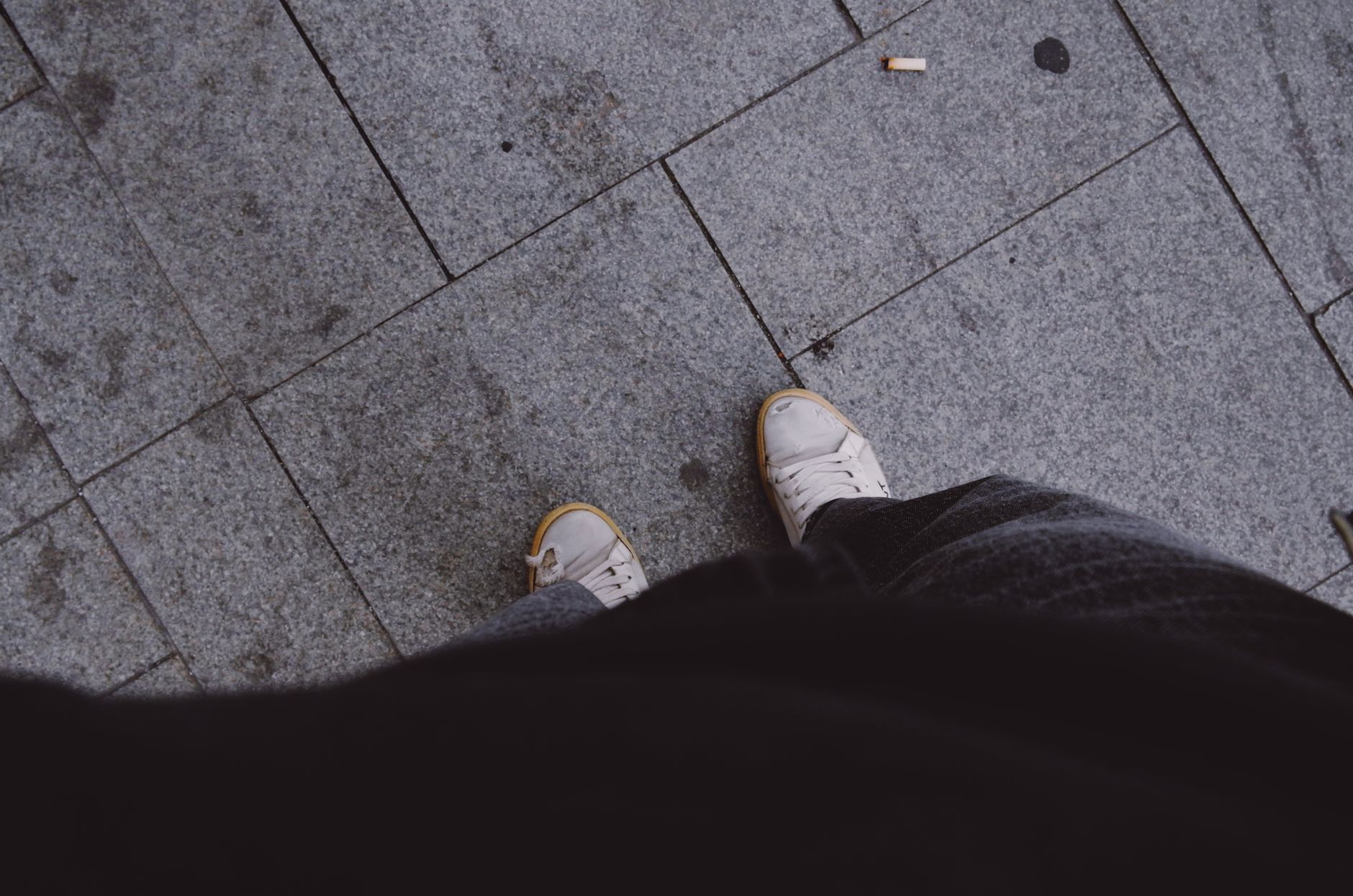
This article focuses on practical decisions everyday walkers face: how to measure accurately at home, how to compare midsoles and outsoles, how to match a shoe to your route and climate, and how to keep pairs feeling lively for months with basic maintenance. The goal is confidence: fewer returns, fewer blisters from poor fit, and more days where walking simply feels easy. Feet vary and needs vary, so use the frameworks below as general information. For persistent discomfort or questions about specialized devices, consult a qualified professional who can assess your situation in person.
best walking shoes for women: Best walking shoes for women: a practical selection framework
Start with a simple four-layer framework. It keeps you from getting distracted by one flashy feature and pushes you to check the whole system.
- Foot measurements: length, width, and arch profile. Measure both feet and base size on the larger one.
- Shoe anatomy: upper materials and lining, midsole cushioning and geometry, heel counter stiffness, outsole rubber and tread.
- Use case: city pavement vs park paths; dry vs rainy climates; short commutes vs long weekend walks; travel constraints.
- Maintenance: rotation, cleaning, drying, and storage routines that keep comfort consistent.
When you adopt this framework, “best” becomes personal and repeatable. You’ll confirm fit first, then support and geometry, then materials and outsole suited to your routes. Finally, you’ll check care habits so the shoe feels like itself for longer.
Measure precisely: at‑home steps, arch cues, and width clues
Accurate measurements turn brand size charts from a guessing game into a useful tool. Here’s a reliable at‑home method.
- Tools: blank paper, pen, ruler or tape measure, and a wall.
- Timing: measure late in the day when feet are slightly larger.
- Socks: wear the type you plan to walk in (thin performance, everyday cotton, or cushioned).
Place the paper against the wall. Stand with your heel gently touching the wall and mark the tip of your longest toe. Measure from the wall to the mark. Repeat for the other foot; use the larger number. For width, trace your foot and measure the widest part across the forefoot. Many women discover one foot is 2–4 mm longer or wider. Size for the larger foot and use lacing adjustments for the smaller.
Arch cues help with comfort. If your footprint (when wet) shows a full foot outline with minimal narrowing in the midfoot, you likely enjoy models with a slightly firmer midfoot platform and a gentle sidewall that keeps the foot centered. If the midfoot disappears in the wet test, neutral geometry with moderate cushioning usually feels natural. None of this replaces real try‑ons, but it gives a starting point.
Volume matters too. If you often feel pressure across the instep, look for thinner tongues, gusseted tongues that spread pressure, or uppers cut slightly higher to add room. If you often feel too much space over the toes, try models with a lower toebox profile or a more structured upper that holds shape.

Finally, adopt a try‑on script. Check for a thumb’s width of space beyond the longest toe, brisk‑walk down a slight decline to confirm your heel stays planted, and tighten laces over the midfoot to see if the shoe “hugs” without pinching. These quick checks catch many misfits before you leave the store or break the return window.
Walking shoe anatomy from upper to outsole
Walking shoes look simple, but several parts work as a system. Understanding each part helps you pick models that match your routes.
- Upper: mesh and knit maximize airflow and dry fast; leather and coated synthetics block wind, feel structured, and dress up easily. A mixed upper—mesh panels with leather overlays—balances breathability with durability.
- Lining and seams: smooth interior lining and low‑profile seams reduce friction. If you are prone to hotspots, seek seamless toe boxes or soft internal quilting.
- Lacing system: classic eyelets allow incremental tension; webbing loops spread pressure; quick toggles speed on‑off for commuters. More eyelets equal more tuning options.
- Tongue and collar: thicker padding feels plush but can trap heat; thinner padding breathes better and gives a closer fit. A heel collar with slightly higher walls often increases heel security.
- Heel counter: semi‑rigid counters hold the heel steady; softer counters feel relaxed. Choose based on your preference for lock‑in versus ease.
- Midsole: foam type and geometry dictate ride feel. EVA foams tend to be light and cushy, TPU blends often feel bouncy and resilient, and proprietary formulas vary widely. Geometry (rocker shape, flare, and sidewalls) influences the roll from heel strike to toe‑off.
- Insole: most are removable. Swapping insoles can change how the shoe meets your arch and how much cushion you feel underfoot.
- Outsole: rubber coverage and pattern matter. Flat, continuous rubber works well on pavement. Small lugs help on park paths and light gravel. Softer rubber grips slick tiles but can wear faster.
Twist and flex tests reveal a lot. Hold the shoe at the heel and toe and twist gently. Moderate torsional resistance adds stability during quick turns. Bend the toe upward: a natural flex point under the forefoot lets your gait roll smoothly without fighting the shoe.
Cushioning and support: balancing soft, firm, and guided
There is no universal “best” cushioning level. Softer midsoles feel plush for short strolls and standing, while moderately firm foams often feel better over long distances because they resist compressing too much. Consider pace and route: brisk walkers often enjoy a light rocker that eases the transition, while casual strollers may prefer a flatter platform that feels predictable.
Support increasingly comes from geometry rather than brute stiffness. Sidewalls that cradle the foot, midsole flares that widen the base at the heel and forefoot, and a well‑tuned heel counter can help the shoe feel aligned without pressure points. Many modern walking shoes balance densities—slightly firmer under the arch, slightly softer under the forefoot—to create gentle guidance.
Here is a practical comparison grid you can run during try‑ons:
- Ride feel: press the midsole with a thumb. If it feels marshmallow‑soft, expect comfort at first and more compression later. If it feels springy with modest give, expect a consistent ride over time.
- Platform width: look at the base flare at the heel. A wider heel base often adds confidence on uneven tiles and curb cuts.
- Rocker shape: set the shoe on a table and rock it. If it pivots easily, it will encourage a forward roll; if it sits flat, it will feel more planted.
- Insole profile: flat insoles encourage a neutral feel; gently contoured insoles “meet” the arch. Choose the one that feels even, not poking.
Walk both uphill and downhill during try‑ons. Uphill reveals whether the lacing and tongue press on your instep. Downhill reveals whether your toes bump the front or your heel lifts. A pair that keeps your heel stable and toes free is a strong candidate.
Fit, widths, and lacing strategies that change everything
Fit is three‑dimensional: length, width, and volume. Many women’s walking shoes are cut in a standard width (B). Brands increasingly offer wide (D) and sometimes extra wide options. If your forefoot spreads as you walk, a slightly wider option may feel better even if your foot does not measure dramatically wide on paper.
Lacing turns a good size into a great fit. Use these patterns as needed:
- Heel lock: loop the lace through the top eyelets to form a small loop on each side, cross through the loops, then pull snug. This adds heel security without over‑tightening the midfoot.
- Window lacing: skip a midfoot eyelet to relieve pressure on sensitive insteps. The skipped eyelet creates a “window” that lowers tension right where you need relief.
- Forefoot cinch: start lacing one eyelet lower to increase forefoot compression if the front feels loose.
Socks influence fit more than most people expect. Thin performance socks make snug shoes feel roomier and reduce friction; cushioned socks add gentle volume and can help fill out a slightly loose toebox. When shopping, test with the socks you plan to use most often and bring a second pair of different thickness for comparison.
Remember that feet change. Pregnancy, changes in routine, and even seasonal swelling can shift size and width. Re‑measure length and width annually, and be open to a different size or width than the one you bought two years ago.
Use cases: city pavement, park paths, office commutes, and travel
Matching a shoe to your environment reduces compromises and keeps steps confident. Consider four common scenarios.
- City pavement: look for moderate cushioning, a stable base, and rubber coverage that grips smooth tiles. Softer rubber in the forefoot can help on indoor surfaces, while harder rubber at the heel resists sidewalk wear.
- Park paths: choose slightly lugged outsoles for dirt, gravel, and grass. Toe overlays add a bit of scuff protection. Mesh uppers shed heat during sunny loops but will collect dust; brushed or coated uppers stay cleaner.
- Office commutes: neutral colors and cleaner upper lines pair with slacks or skirts. Leather or coated uppers resist wind and drizzle and often carry from lobby to desk without a shoe change.
- Travel: prioritize packable weight and versatility. A responsive midsole and a tread that handles both urban crosswalks and park paths free you from bringing two pairs. If rain is likely, consider water‑resistant uppers or carry a lightweight shoe cover.
One flexible strategy is to keep a primary daily pair and a “long day” pair. Alternate between them to keep foams rebounding. On trips, a single versatile pair may suffice, but if suitcase space permits, adding a second pair reduces monotony and gives your feet a different platform on alternating days.
Materials and climate: breathable mesh, structured leather, and in‑between options
Materials shape comfort as much as cushioning. In warm weather or for faster paces, open mesh and knit uppers enhance airflow and dry fast after a brief shower. Look for obvious perforation and minimal overlays if breathability is top priority. For cooler months, leather and coated synthetics block wind and pair easily with smart‑casual outfits.
Inside the shoe, smooth linings and low‑profile seams reduce friction during hour‑long walks. If you’re sensitive to hotspots, examine the interior toe area and the tongue edges; softer materials there can make a big difference. Some models add soft “bootie” constructions that wrap the midfoot, which can feel secure but may run warm in summer.
On the outsole, mixed compounds are common: softer zones at the forefoot for grip on slick tiles and firmer rubber at high‑wear areas for durability. If your city gets frequent rain, prioritize continuous rubber and tread channels that disperse water. If winters mean wet leaves or frost, patterns with siping (very thin cuts) often help shoes bite into slippery films.
Traction and weather confidence
Real sidewalks and station platforms can challenge traction. A few checklist items help you assess grip without a lab:
- Tread channels and sipes: look for grooves that guide water away and thin cuts that increase edge bite.
- Rubber coverage: continuous rubber from heel to forefoot improves contact on smooth floors.
- Compound mix: slightly softer rubber in the forefoot can increase traction indoors; firmer heel rubber adds longevity outdoors.
- Heel bevel: a rounded or beveled heel reduces harsh landings and helps with smoother transitions on wet surfaces.
Weather features add comfort, not miracles. Water‑resistant uppers and gusseted tongues help keep splashes out during passing showers, but they are not the same as full waterproof boots. In cold months, thin merino socks often add warmth without bulk. If your routes include icy patches, consider slip‑on traction aids you can carry and deploy only when needed; they keep your daily shoes lighter the rest of the time.
Style and outfits: pairing comfort with your wardrobe
Comfort and style can coexist. A few design choices make walking shoes easier to pair across outfits.
- Color strategy: black, white, gray, and navy anchor most wardrobes. Off‑white and cream read softer than pure white and hide scuffs longer.
- Upper design: fewer overlays and cleaner lines look refined. Leather panels signal smart‑casual, while knit and mesh read sporty.
- Profile: lower‑profile midsoles and sleeker toeboxes balance dresses and skirts. Slightly chunkier midsoles pair well with jeans and trousers.
- Accents: if you enjoy color pops, anchor them with neutral clothing so the shoe reads as a deliberate accent.
When shopping online, browse product photos in different outfits. Check listed weight and stack height. Lower weight often feels lively; moderate stack heights (midsole thickness) walk well across city terrain. If a brand shows customers wearing the shoe with both athleisure and smart‑casual looks, that’s a good sign the design translates.
Budget, value, and sustainable choices
Value is cost multiplied by use. A moderately priced pair you wear daily often beats a premium pair you wear twice a month. Consider cost‑per‑wear: if a shoe costs $120 and you wear it 120 days this year, that’s $1 per wear. Rotating two pairs can still be efficient if both see regular use.
Sales cycles vary. Last season’s colorways often go on sale even when the model remains current. If you love a model but not the color, check whether new palettes are coming and wait if you can; patience sometimes gets you the same shoe in a color you prefer.
Sustainability can be practical: durable foams and outsoles that hold up reduce total purchases. Seek recycled uppers, responsibly sourced rubber, and transparent manufacturing notes when available. Cleaning regularly and storing away from heat extends life and reduces waste.
Try‑on protocol, ordering online, and returns
A repeatable try‑on script saves time and reduces returns. Use this quick checklist in store and at home.
- Length: a thumb’s width beyond the longest toe.
- Width: forefoot freedom without squeeze; midfoot secure with laces.
- Heel hold: minimal slip on downhill steps.
- Instep comfort: no pressure from tongue or eyelets.
- Flex point: shoe bends under the forefoot, not under the arch.
- Stride feel: the shoe moves with you, not against you.
- Sock test: test with thin and medium socks to learn which pairing works better.
When ordering online, check return windows and surface rules—many brands allow indoor try‑ons on clean floors. Walk briskly for 15–20 minutes on tile and wood. If a model passes the script twice, it’s a safer bet for outside. Keep packaging until you’re sure. If a return is needed, re‑lacing the shoe and packing as shipped increases the chance of a smooth return.
For a curated starting point, you can browse women’s footwear and wardrobe basics at Smart Lifestyle Apparel. Use the fit checklist above as you compare models, and keep brief notes so future purchases get easier.
Care, rotation, and lifespan: simple routines that pay off
Comfort lasts longer when foams rebound and materials stay dry. Two habits make the biggest difference: rotation and drying.
- Rotate pairs: alternate pairs during the week so midsoles recover between walks. Many people notice that “fresh” feel returns overnight when shoes aren’t used daily.
- Drying routine: after wet walks, remove insoles and stuff the shoe with paper towels to wick moisture. Air‑dry at room temperature. Avoid radiators and hair dryers, which can warp glue and foam.
- Cleaning: a soft brush and mild soap remove surface dust and grime. Rinse lightly and air‑dry. Spot‑clean leather with a damp cloth.
- Storage: store at room temperature out of direct sun to protect foam integrity and adhesives.
Signs that a pair is past its best include flattened cushioning (your feet feel “closer” to the ground than before), reduced outsole grip, and increased midsole creases that don’t bounce back. Many pairs feel best between roughly 300 and 500 miles of walking, but mileage varies with body weight, pace, and surfaces. When a pair loses its spark, rotate it to short errands and bring in your next favorite for daily miles.

Troubleshooting common comfort issues (without buying everything)
Small adjustments often solve minor comfort issues, saving you from unnecessary purchases. Try these fixes first.
- Toes bump front on downhills: verify length; consider the next half size up or a model with a longer toebox. Add a heel lock lacing pattern to increase rear hold.
- Heel slip: try heel lock lacing, thicker socks, or a model with a higher heel collar. Check that the counter is not too soft for your preference.
- Instep pressure: use window lacing by skipping the eyelet causing the pressure, or choose a model with a thinner tongue and softer edge.
- Forefoot rub: step up to a wider width or seek a model with a rounder toebox. Thin socks can reduce friction; check interior seams for rough areas.
- Shoe feels hot: switch to mesh or knit uppers; choose thinner moisture‑managing socks; loosen laces slightly across the forefoot.
- Shoe feels sloppy: add a half‑thickness insole to take up volume or switch to cushioned socks. Re‑lace with a forefoot cinch pattern to add front‑end security.
If discomfort persists after these low‑cost tweaks, bring your measurements and notes to a reputable footwear store and ask for a fitting session. A few minutes with a knowledgeable staffer can reveal a small change—another width, a different last shape, or a revised lacing pattern—that transforms how a model feels on your feet.
Build a shortlist: templates for different walkers
Use this quick template to structure your picks. Fill one line per category with 1–2 models you like, plus size and width notes. Review after a week of walking and keep the winner.
- City daily: breathable upper, moderate cushioning, rubber coverage for slick tiles, neutral color for outfit pairing.
- Park paths: slightly lugged outsole, toe overlay for scuffs, steady platform on light gravel.
- Office commute: clean upper lines, leather or coated upper option, secure midfoot wrap.
- Travel: lightweight build, versatile tread, packable shape, color that pairs easily.
Capture your results in a simple note: brand, model, size, width, sock combo, and any lacing tricks that worked. Future you will thank present you. The “best” pair is the one you reach for because it feels right every time you step out the door.

With the frameworks and checklists above, you can move from trial‑and‑error to steady success: accurate measurements, informed material and traction choices, a try‑on script that catches mismatches early, and care habits that keep comfort consistent. That’s how the best walking shoes for women become your everyday allies, not just another box in the closet.