If you’re planning a city break, a rail journey across countries, or a loop of UNESCO old towns, the best walking shoes for travel can make the difference between an easy, memorable day and a slog that sends you back to the hotel early. This guide brings together practical fit advice, support basics, materials that actually matter, socks and lacing tips, packing habits, care routines, and comparisons of common styles—so you can pick with confidence and feel good mile after mile.
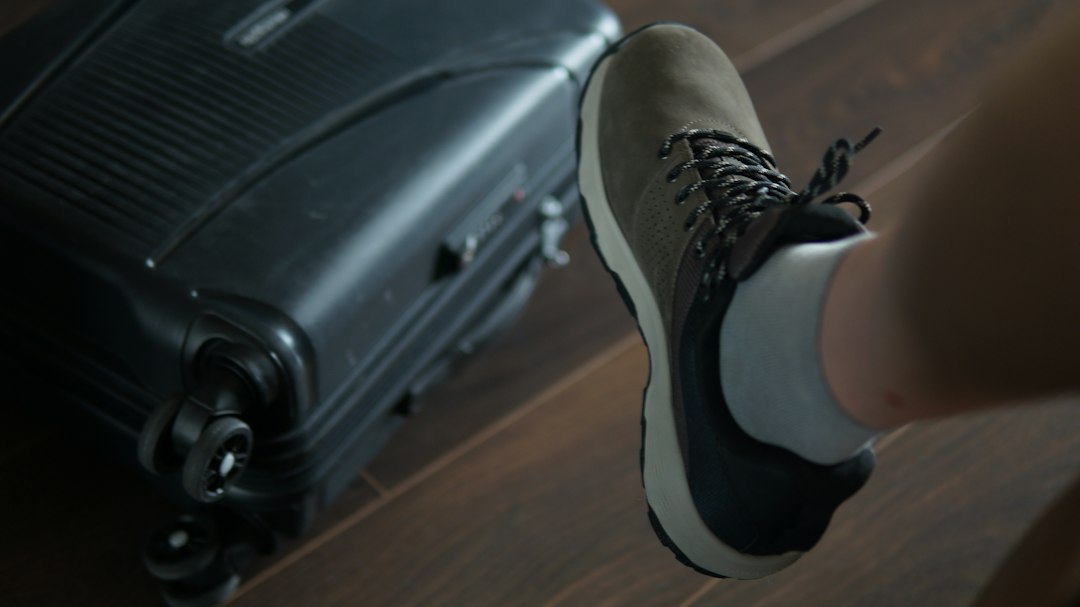
best walking shoes for travel: quick criteria
Start with a simple checklist you can apply in-store or when shopping online. The right pair for long days walking museums, markets, and waterfronts should balance comfort, support, and durability while remaining versatile enough to dress up slightly for dinner.
- Fit that holds the heel and allows your toes to splay without pressure. Aim for a thumb’s width of space in front of the longest toe.
- Midsole cushioning that feels resilient, not mushy. Look for EVA, PU, or proprietary blends with consistent rebound.
- Neutral support or moderate stability depending on your gait; avoid extremes unless advised by a qualified specialist.
- Outsole traction that grips wet tile, cobblestone, and smooth museum floors without squeaking.
- Breathable uppers for warm climates or weather-resistant uppers for shoulder seasons and light rain.
- Weight that won’t fatigue your legs—most all-day pairs land in the 9–12 oz range per shoe for a US men’s size 9; equivalents vary by brand.
- Style versatility: simple lines, low-profile branding, and colors that pair with a capsule wardrobe.
Use these criteria like a quick filter. If a pair fails two or more items, keep looking. If it checks all boxes, you’re ready to test fit and comfort in detail.
Fit and sizing for long days
Proper fit is the foundation of a stress-free travel day. Start by measuring both feet in the evening when they’re slightly larger. If you haven’t measured in years, use a Brannock device at a store or trace your foot at home and compare lengths to the brand’s size chart. Focus on three zones: heel, midfoot, and toe box.
The heel should stay put without slipping when you walk or take stairs. A small amount of vertical movement can happen with some designs, but a secure collar and lacing should reduce it. The midfoot needs a gentle hug—think firm handshake, not vice grip. If the shoe has an internal or external shank, your arch will feel supported without hard pressure points. Finally, the toe box should allow natural toe spread and a slight upward motion when you roll through a step.
Try the shoes with the socks you’ll actually wear while traveling (thin merino or synthetic crew socks are a safe bet for most climates). Lace method matters: use a runner’s loop (heel lock) if you feel minor slippage, and experiment with skipping the eyelet over a pressure point to remove top-of-foot discomfort. If your feet are notably different in volume, fit to the larger foot and fine-tune the smaller one with insole or sock thickness.
Test length and width by walking on a slight incline or staircase. Going downhill, your toes shouldn’t hit the front. Going uphill, your heel shouldn’t lift excessively. If you’re between sizes, pick the one that fits the heel and midfoot best, then adjust with insole changes to fine-tune the toe box. Specific brand lasts (the foot shape the shoe is built around) vary; if a last doesn’t match your foot, switching models or brands usually fixes what insoles cannot.
Support and cushioning explained
Support is a spectrum rather than a binary choice. For all-day city walking, many travelers do well with neutral or moderately supportive midsoles that guide the foot without forcing it. Think of support as gentle alignment and shock distribution rather than rigid control. The goal is a ride that feels consistent from breakfast to dusk.
Key components include midsole foam density, any embedded shank or plate, and the geometry of heel-to-toe drop. Softer foams feel plush but can pack down; firmer foams resist deformation and keep the ride consistent through long days. A shank (often nylon or TPU) adds torsional stability so the shoe doesn’t twist too easily across uneven paving stones. Heel-to-toe drop around 6–10 mm suits many walkers; zero-drop styles can work too but may require a gradual transition period to stay comfortable over distance.
If you use custom or off-the-shelf insoles, pair them with shoes that have removable stock insoles and enough internal volume. Swap only one variable at a time—shoe, insole, or sock—so you can tell what changed. Walk a quick, real-world loop: curb steps, a block of cobbles if available, and a few minutes on smooth flooring. Your feet should feel supported yet relaxed, with no hotspots building. Remember that extra cushioning can feel great for a few hours but may reduce proprioceptive feedback; balance softness with a stable platform for varied surfaces.
Materials overview: midsoles, uppers, and outsoles
Materials affect comfort, durability, and feel. Understanding the basics helps you match a shoe to your itinerary and climate.
Midsoles: EVA is light and cushioned, PU is heavier but often more durable and resilient. Supercritical foams aim for a lighter, springier ride and may hold up longer day to day. If a brand publishes durometer (hardness), mid-40s to mid-50s (Shore A) is typical for everyday comfort, but how a foam is molded matters as much as numbers.
Uppers: Knit and mesh are breathable and comfortable out of the box. Smooth leather and coated textiles add structure and weather resistance. Suede looks great but needs more care around moisture. Reinforced eyelets, a padded collar, and a gusseted tongue can improve comfort by dispersing lace pressure and keeping grit out.
Outsoles: Full rubber outsoles last longer than foam with rubber pods. Look for lug patterns that grip wet tile, old stone, and tram platforms. Compound matters; if a shoe is marketed for both city and trail, the rubber will often be softer for better indoor traction and outdoor grip, though it may wear faster. Siping (thin slits) across flat sections can increase grip on wet surfaces.
Stitching and reinforcements also count. Overlays around the toe and lateral forefoot reduce wear from scuffs and side loads on slopes. A toe bumper helps if you kick curbs absentmindedly while sightseeing. Inside, a smooth lining cuts down on friction and keeps socks sliding rather than snagging, which can reduce the chance of hotspots during long walk days.
Breathability, weather resistance, and traction
Breathability and weather resistance pull in opposite directions, and your itinerary should decide the priority. For warm climates with long sunny days, maximize airflow with knit or engineered mesh uppers and perforated linings. Pair with moisture-wicking socks and rotate pairs if your trip allows; alternating days lets foam rebound and linings dry fully.
For shoulder seasons, drizzle, or breezy coastal promenades, a water-resistant upper can spare you the annoyance of damp feet. Look for treated leather, coated textiles, or a membrane-backed mesh. Keep in mind that many membranes reduce airflow. If you run warm, consider a hybrid: water-resistant toe and mudguard with breathable lateral and rear panels that vent heat.
Traction is part of weather performance. On wet sidewalks, a flatter, siped outsole grips better than hard, smooth rubber. Test grip on an indoor smooth surface if a store allows. If your trip includes occasional trail spurs (castle paths or park overlooks), a slightly more aggressive lug helps without looking out of place in town. Always remember that compounds optimized for indoor grip may show wear sooner on rough concrete; match the outsole to your routes.
Socks, insoles, and lacing techniques
What you wear inside the shoe and how you lace it can be the difference between an effortless day and a distracting one. Lightweight merino or synthetic crew socks manage moisture and feel comfortable across temperature swings. Avoid cotton for long walking days; it holds moisture and can increase friction.
Insoles change volume and feel. Stock insoles are designed to be a good compromise; if you add aftermarket options, choose low-volume models when space is tight, and focus on arch shape that complements the shoe’s last. An insole that’s too aggressive can create new pressure points. Try the shoe with and without the insole to feel how the platform stiffness and arch contour change your stride.
Lacing techniques help fine-tune fit. A runner’s loop (heel lock) secures the heel if you notice slight slippage. If a shoe pinches the top of your foot, skip an eyelet over the pressure area to create space. For high insteps, start lacing a hole lower than usual to reduce lace bite. Micro-adjustment on the fly works too: loosen the forefoot after lunch when your feet may swell slightly, then snug the midfoot again for evening strolls.
Durability checks, in-store tests, and home inspections
Durability begins with construction quality. In-store, you can do a few quick checks that correlate well with how a shoe will survive a multi-week trip. Flex the shoe lengthwise and across the forefoot. It should bend where your toes bend, not fold mid-arch. Twist gently: moderate torsional resistance is good; too floppy can be tiring on uneven surfaces.
Press along the upper for structured areas—does the collar padding spring back or collapse? Tug the lace anchors and eyelets. Stitching should be uniform with no skipped threads or glue stains at the outsole bond. Run a finger along the inside seam; it should feel smooth, not abrasive. Outsole wear can start fast if a compound is too soft for how you walk. If you know you drag heels slightly, a harder rubber in high-wear zones is useful; some brands mix compounds for this reason.
At home after purchase, do a “mini endurance” test. Walk 45–60 minutes on mixed surfaces—pavement, tile, and a short stretch of gravel if available. Pay attention to changes in the ride after 30 minutes; midsoles that feel great in the first 10 minutes sometimes reveal instability later. Check for early scuffs on toe overlays and pay attention to any seam rubbing in the heel lining. Early feedback helps you decide whether to keep, exchange, or tailor with different insoles or socks.
Packing strategies, break-in plans, and on-the-road care
Good shoes still benefit from a short break-in to let the upper shape to your foot and the midsole settle. Wear your travel pair for errands a week before departure. If a hotspot appears, adjust lacing, swap sock thickness, or consider a thin, low-volume insole. Address minor friction early so it doesn’t sideline a day’s plans.
When packing, use shoe bags to prevent scuffs and keep clothes clean. Stuff each shoe with socks or ultralight packing cubes to help them keep shape and save luggage space. If you carry two pairs, consider different roles: one breathable, one more weather-resistant, or one athletic and one minimalist casual. Rotating pairs can keep both fresher and more comfortable.
During the trip, keep linings dry overnight by removing insoles and propping the shoes open. Avoid direct heaters that can harden or warp materials. If you encounter unexpected rain, blot with a towel, gently stuff with paper to wick moisture, and let air circulate. For outsoles, brush out pebbles lodged in lugs—trapped stones can change traction or create tiny stress points. A small dab of flexible adhesive can stabilize a loose overlay until you’re home.
Style and capsule wardrobe pairing
Travel wardrobes often hinge on a small palette and multipurpose pieces. Your walking shoes should follow suit. A low-profile sneaker in black, navy, tan, or off-white blends with chinos, jeans, and casual dresses. Minimal branding, clean panels, and a refined toe shape elevate the look without sacrificing comfort.
Leather and coated textiles read smarter in the evening, while knit styles lean sporty during the day. If your capsule wardrobe is monochrome, choosing shoes in a complementary neutral keeps outfits coherent across contexts. Glossy accents, loud contrast soles, or bulky overlays can clash with smart-casual plans; choose restraint if you aim to cover both sightseeing and dining in one pair.
Consider regional norms. In some destinations, athletic looks are common; in others, understated leather sneakers feel more at home. If you plan to enter historic churches or upscale cafés, a simple, neat pair avoids awkward moments. Above all, comfort comes first. Style is additive, not a substitute for fit.
Comparing sneakers, light hikers, sandals, slip-ons, and dressy options
Different styles suit different routes and climates. Knowing the trade-offs helps you pick a primary pair and decide whether to bring a second as backup.
Sneakers: The default for urban travel. They offer balanced cushioning, decent traction, and easy styling. Breathable versions excel in warm weather; leather versions shine for smart-casual evenings. Watch for arch support that matches your gait and an outsole pattern that grips smooth surfaces.
Light hikers: Great for itineraries with parks, castle trails, or hilly towns. They add support, toe protection, and lugs that bite into dirt. Downsides include extra weight and a chunkier look. If you lean this way, choose a low-cut, lighter model with a subdued color so they don’t feel out of place in cafés.
Sandals: Useful in hot climates and for beach or poolside downtime. For long walks, prioritize straps that distribute load and footbeds that contour without slippery finishes. Sandals expose feet to grit and sun, so consider them a secondary pair unless your itinerary is beach-heavy.
Slip-ons: Convenient for airports and short hops to breakfast. All-day comfort depends on a structured heel and supportive midsole. Many slip-ons are too loose for sustained sightseeing; if you love the format, choose models with elastic gore and a snug midfoot.
Dressy sneakers and hybrids: For travelers who prefer one pair for day and evening, smooth leather or coated textile sneakers with a tidy toe shape bridge the gap. Seek a midsole that doesn’t compress too quickly and an outsole pattern that grips tile. Subdued colors keep the lines clean with tailoring or minimal dresses.
Budget tiers, value, and replacement timing
Your feet work hard on trips; value includes comfort, style versatility, and durability. While budget pairs can surprise, consider spending a little more for sound construction and materials—especially if your itinerary leans long days on hard surfaces. Mid-tier models often hit the sweet spot: better compounds, smarter uppers, and more consistent fit across sizes. Premium lines may add leather quality and refined last shapes that elevate both feel and looks.
Decide value by cost per day of comfortable use. If a pair keeps you out longer and happier, the value is high. Conversely, if a shoe packs out quickly or feels tired after a few months, the math favors upgrading. Inspect midsoles for compression lines, outsoles for smooth patches in high-wear zones, and uppers for broken stitching. If you feel new hotspots or find yourself lacing tighter to chase support, it’s a sign the shoe’s structure is fading.
When replacing, note what worked: toe box shape, cushioning feel, traction pattern, and materials. Brands evolve models season to season; focus on the traits you liked rather than the model name. If you want curated ideas, browse our Shoes category for up-to-date travel-ready options and sizing notes: smartlifestyleapparel.com/category/shoes/.
Sustainability and maintenance lifecycle
A sensible care routine extends life and reduces waste. Clean grit from knit and mesh frequently; fine sand acts like sandpaper on fibers. Wipe leather and coated textiles with a damp cloth and, if they look dry, condition sparingly with neutral cream compatible with the material. Avoid oily products that can soften glues or darken light leathers.
Rotate pairs when practical. Foam needs rest to regain resilience; alternating allows midsoles to recover. If odor builds, remove insoles to air out, sprinkle a pinch of baking soda overnight, and tap it out in the morning. Lightweight cedar shoe trees help maintain shape in leather styles without adding much packing weight. When home, consider resoling options for stitched constructions; a cobbler can sometimes refresh outsoles and extend the life of a favorite pair.
At end-of-life, look for donation or recycling programs that accept shoes with functional uppers. Some brands and local shops collect worn pairs for materials recovery. Even simple steps—brushing outsoles clean before disposal to reduce grit transfer—show care for the spaces you visit.
Regional surface guide: from cobbles to boardwalks
Surfaces differ by destination, and matching your outsole and cushioning helps each day feel easier.
Old-town cobbles: Prioritize torsional stability and a grippy rubber compound. A slightly firmer midsole resists twisting and keeps the platform consistent. Deep, aggressive lugs aren’t necessary; instead, look for broad, flat contact zones with siping.
Metro tile and polished floors: Soft, sticky rubber grips well but may wear quicker. A flatter outsole profile increases contact area. Test for squeak; shoes that reliably grip without noise feel less conspicuous in museums and galleries.
Boardwalks and promenades: Cushioned midsoles with a smooth rocker make long, flat stretches feel effortless. A knit upper paired with merino socks manages warmth during sunny afternoons. If wind picks up near water, consider a shoe with a slightly higher collar or tighter knit to reduce drafts.
Hill towns and stairs: Supportive midsoles with a moderate drop aid forward motion on ascents, and secure heels reduce sliding on descents. Choose uppers with reliable lace anchors so you can fine-tune tension quickly between uphill and downhill sections.
Troubleshooting: hotspots, odor, and wet weather surprises
Even well-chosen shoes can run into surprises mid-trip. A small hotspot can grow during a long day, so address it quickly. First, loosen the lacing across the pressure zone or skip the eyelet above it. Consider swapping to a smoother, thinner sock for the rest of the day to reduce friction. A tiny piece of athletic tape on the shoe’s interior (not on skin) can lower rubbing until you reach your hotel.
Odor builds when moisture lingers. Unlace, remove insoles, and air the shoes somewhere ventilated. Sprinkle a very light dusting of baking soda overnight. Merino blend socks help manage moisture and tend to smell fresher across repeated wear. If odor persists, hand-wash the insoles in the sink with mild soap, rinse thoroughly, and air-dry flat.
Unexpected rain calls for calm care. Blot the uppers with a towel, stuff the shoes loosely with paper to draw out moisture, and swap paper as it dampens. Don’t place shoes directly on radiators or intense heat sources; that can harden or warp glue and change leather texture. A gentle fan or moving air dries evenly. The next morning, check the fit and, if the upper feels slightly tighter, wear thinner socks until it relaxes.
Buyer’s checklists and an on-the-road worksheet
Use this quick checklist while shopping or packing to avoid common mistakes and keep your feet comfortable.
- Measure and try with trip socks: Evening measurement, test length, width, and heel hold with the socks you’ll wear.
- Walk a real loop: Stairs, a curb, any smooth floor; watch for slipping heels and toe bumps.
- Support sanity check: Neutral or moderate stability suits many; avoid extremes unless specifically advised.
- Midsole feel: Responsive, not mushy; rebounds after a step and stays consistent through time.
- Outsole grip: Works on wet tile and cobbles without squeak or skid.
- Upper choice: Mesh/knit for warm days, water-resistant panels for shoulder seasons.
- Weight and balance: Light enough for long days but substantial enough to feel planted.
- Style versatility: Minimal lines, quiet color, pairs with your capsule wardrobe.
- Break-in plan: Wear for errands a week before departure; adjust lacing and sock thickness as needed.
- Care kit: Small cloth, travel-size neutral cream (for leather), spare laces, and a pinch of baking soda.
- Packing method: Shoe bags, insoles out at night, stuffed with socks or cubes to hold shape.
Buyer’s worksheet (copy to notes app):
- Trip climate and surfaces: __________
- Measured size (length/width): __________
- Heel hold (1–5): __________ | Toe box space (1–5): __________
- Cushion feel (soft/medium/firm): __________
- Support level (neutral/moderate): __________
- Outsole grip on smooth floor (good/okay/poor): __________
- Upper choice (mesh/leather/coated textile/membrane): __________
- Weight per shoe: __________
- Style versatility rating (1–5): __________
- Break-in notes: __________
- Care items to pack: __________
Frequently asked questions for travel footwear
How many pairs should I bring? If luggage space allows, two pairs—one breathable and one more weather-resistant—cover most itineraries. Rotating pairs lets foam rebound and reduces moisture buildup.
Are waterproof shoes necessary? Not for every trip. Weather-resistant panels or treated leather often handle light rain well. Full waterproof membranes reduce airflow; they suit wet shoulder seasons but can feel warm in summer.
Do I need special insoles? Many people are comfortable with stock insoles. If you want more structure or padding, choose low-volume insoles that complement the shoe’s last and test them on real surfaces before the trip.
What’s the best sock for varied climates? Thin merino or performance synthetic socks manage moisture and remain comfortable across temperature swings. Pack a few pairs and rinse them in the sink overnight as needed.
Can one pair work for day and dinner? Yes—smooth leather or coated textile sneakers with tidy lines are easy to dress up. Keep colors subdued and branding low-profile to pair with smart-casual outfits.
Final notes
Travel footwear does a quiet but essential job. If you focus on fit, supportive geometry, honest materials, and a simple care routine, your shoes will fade into the background while the streets, galleries, and waterfronts take center stage. Start with the criteria here, test a realistic loop, and build your packing plan around a pair—or two—that feel dependable from first mile to last.