How to choose running shoes is easier when you stop chasing the loudest marketing claims and start matching the shoe to your feet, your routes, and the kind of miles you actually run. That sounds obvious, but a lot of people still buy shoes the way they buy headphones, by reading the biggest headline and hoping the rest works itself out.
I like to think about shoe buying as a small decision with a surprisingly long tail. If a pair feels wrong in the first ten minutes, it rarely becomes magical later. If a pair matches your stride, your route, and the shape of your foot, it can quietly make everything feel less distracting. That is the real goal. Not hype. Not a miracle. Just a shoe that gets out of the way.
If you are comparing styles for everyday wear as well as training, the shoe edit at Smart Lifestyle Apparel is a helpful place to see how different designs look and feel across casual and performance settings.
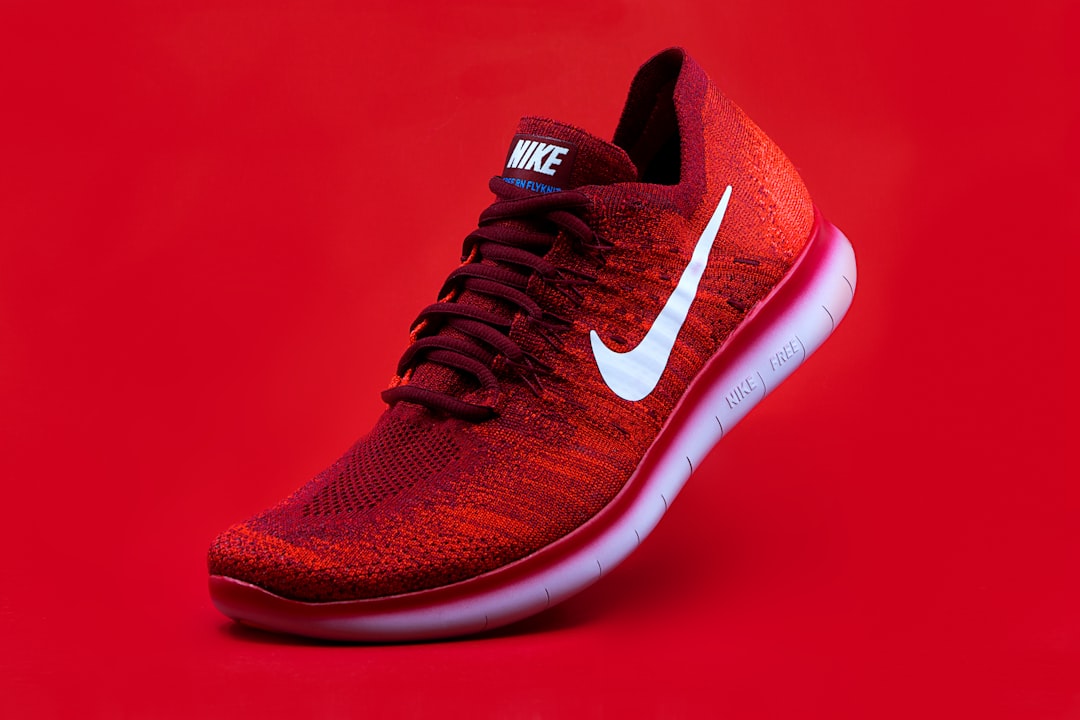
How to choose running shoes for your actual run
The first question is not whether a shoe looks fast. It is what you will do in it. A person logging short neighborhood loops after work needs something different from someone building toward a weekend long run. A commuter who mixes walking, standing, and a little jogging has different needs again. Once you name the use case, the rest gets simpler.
I start with three practical details. How far do you usually go, what surface do you see most often, and how much variety is there in your week. If your runs are mostly flat pavement, you do not need the same outsole logic as someone who spends half the time on packed dirt or wet paths. If your mileage swings a lot, a shoe with a forgiving feel tends to be easier to live with than a very specialized model. The more specific your answer, the less likely you are to buy the wrong thing because it sounded impressive in a product description.
It also helps to decide whether you want one pair to do everything or a small rotation. One pair can absolutely work for many people. A rotation can make the choice easier because each shoe has a job. One may feel better for short, quick days. Another may feel better for slower or longer outings. When people say they need the “best” shoe, I usually ask them what “best” means on an ordinary Tuesday. That answer is more useful than any ranking.
A practical way to frame the choice is this.
- Short and frequent runs call for comfort and consistency.
- Longer runs call for comfort that stays steady after the first few miles.
- Mixed walking and running call for a shoe that does not feel awkward off the run.
- Wet or uneven routes call for traction and a secure upper.
Once you map the run, you stop overbuying features you will not notice and start noticing the things that matter every day.
Fit first, features second
Fit decides more purchases than any other detail. People love to talk about foam, stacks, plates, and category names, but if the shoe pinches, slides, or presses on the wrong part of the foot, none of that matters. A good fit should feel calm, not dramatic. Your foot should sit in the shoe without having to negotiate for space every step.
There are a few fit checks I always return to. The toe box should give your toes room to spread without feeling sloppy. The heel should feel anchored without rubbing. The midfoot should feel secure without a hard squeeze. And the length should leave enough room for your toes to move forward slightly when you run downhill or when your feet swell during longer sessions. Tiny mismatches are what turn a decent shoe into a pair that stays in the closet.
Fit is also about volume, not just length. Some feet are narrow and like a more snug platform. Others need a little more space across the top of the foot or through the forefoot. A shoe can be technically the right size and still feel wrong because the shape does not match the volume of your foot. That is why the same size from two brands can feel completely different. A runner who knows this stops blaming their feet and starts comparing last shapes, toe room, and lockdown.
When I shop, I think about these fit questions.
- Can I wiggle my toes without lifting my heel?
- Does the shoe hold the midfoot without pressure points?
- Does the heel stay in place when I walk quickly?
- Do I feel any hot spots after a few minutes on my feet?
If the answer to any of those is a consistent no, I keep looking. The best features in the world cannot fix a shape that does not suit your foot.
Cushioning, stability, and why labels mislead
Running shoe language can be a little slippery. Cushioning sounds straightforward, but it can mean many things. Some shoes feel soft right away and compress a lot. Others feel softer in motion than they do in hand. Some feel firm but still comfortable because the platform is smooth and predictable. Stability is similar. It does not always mean a shoe is stiff or heavy. Sometimes it just means the shoe feels steady when your foot lands and rolls forward.
That is why I do not choose by label alone. I pay attention to the feeling underfoot. Do I want a lively shoe that pops a little more? Do I want something softer that reduces the sensation of the ground? Do I want a shoe that feels centered and calm, even if it is not the flashiest option in the store? Those are more useful questions than “Is this a neutral shoe or a stability shoe?” because the answer depends on the rest of the shoe, not just the category name.
Some runners prefer a softer ride for recovery days or easy mileage. Others like a firmer ride because it feels more direct and controlled. Neither choice is automatically better. The better question is whether the sensation matches the pace and the distance. A soft, marshy shoe can feel wonderful for some runs and dull for others. A firmer shoe can feel efficient for short outings and tiring if you ask it to do everything.
Stability deserves the same kind of nuance. A little guidance can feel reassuring if your foot tends to drift inward or if you simply like a more centered platform. But not every runner who hears the word “stability” needs a heavily structured shoe. Sometimes a well-shaped neutral shoe with a secure base is enough. I think that is one reason people get disappointed. They buy the label instead of the feeling.
Here is the most useful way to compare the two ideas.
- Cushioning affects the sensation of impact and the overall comfort of the ride.
- Stability affects how centered and predictable the shoe feels under load.
- Geometry affects how naturally the shoe guides your foot from landing to toe-off.
When you think in those terms, the conversation gets much clearer and a lot less crowded by marketing words.

Match the shoe to surface and weather
Surface changes everything. A shoe that feels great on a smooth path can feel clumsy on rough pavement. A shoe that handles rain well can feel unnecessary in dry, predictable conditions. If you run across more than one surface, the question is not whether a shoe can handle everything. It is whether the shoe is comfortable across the surfaces you actually use most.
Road shoes usually prioritize smooth transitions, lighter feel, and enough outsole rubber for predictable grip. Trail shoes bring more traction, more protection, and a tougher build. Mixed-surface shoes sit somewhere in between, which is useful if your routes are half pavement and half park path. The point is not to collect categories. The point is to avoid buying a shoe that is too specialized for a route you run every week.
Weather matters too, especially if you live in a place where the ground stays wet for months. A grippier outsole can feel like a small luxury on slick sidewalks or painted crossings. Breathable uppers can feel fantastic in warm weather, but they may leave your feet colder or wetter when the temperature drops. If you often run early in the morning or after dark, visibility also matters. Some shoes reflect more light, which is a subtle but useful detail.
I like to ask a simple set of questions about route conditions.
- Is the ground mostly smooth, broken, or soft?
- Do I run in dry conditions most of the time or in wet weather often?
- Do I need traction for turns, hills, or uneven edges?
- Will I also wear this shoe for walking before or after the run?
If the answer leans toward predictable pavement, a road shoe usually makes the most sense. If the answer leans toward dirt, gravel, or uneven footing, a shoe with more bite underfoot is worth considering. Surface matching sounds basic, but it saves people from buying the wrong kind of outsole and then wondering why the shoe feels off from the first block.
Read the shoe from the outside in
Most shoppers only notice the upper color and the foam description. I think it helps to slow down and read the shoe from the outside in. The upper tells you how the shoe will hold the foot. The midsole tells you how the ride may feel. The outsole tells you what kind of contact with the ground the shoe is built to handle. When you train yourself to notice those layers, the whole wall of options becomes easier to parse.
The upper should look and feel like it can secure your foot without creating pressure. Some uppers are soft and flexible. Others are more structured. A softer upper can feel forgiving and easy to wear, especially if your foot shape is not especially narrow or if you prefer a little give. A more structured upper can feel reassuring if you like a tighter wrap or if your foot tends to move around in looser shoes. Lacing matters here too. A shoe with decent materials can still feel off if the eyelets and tongue do not let you fine tune the fit.
The midsole is where many buying decisions get exaggerated. Thick foam does not automatically mean better comfort. Sometimes a simpler, lower stack shoe feels better because it stays stable and direct. Sometimes a taller stack feels luxurious because it smooths the run and reduces the sense of ground hardness. Both can be useful. What matters is whether the shoe gives you the kind of ride you want over the distance you run most often.
The outsole is easy to ignore until it is wet. Rubber coverage, tread pattern, and flex zones all influence how the shoe feels in motion. A lot of people do not need aggressive tread. They need enough grip to trust the shoe on corners, crosswalks, and slight changes in texture. If you can see where the shoe is designed to bend and where it is designed to stay firm, you can usually guess a lot about the ride.
A useful mental checklist looks like this.
- Upper: secure, breathable, and shaped for your foot volume.
- Midsole: soft, firm, or balanced in a way that suits your pace.
- Outsole: enough grip for the surfaces you see most.
- Lacing and tongue: easy to adjust without creating hot spots.
That kind of reading turns the shoe from a single object into a set of choices you can actually evaluate.
What to check when you try them on
Trying on shoes in a store or at home is where the decision usually becomes real. The box can promise whatever it wants. The foot decides. I always tell people to spend a little extra time here because small problems are easier to catch before the first run than after the first blister.
Wear the socks you actually run in, or at least something close. Stand up. Walk. If possible, jog a little. Pay attention to what happens when your weight shifts forward. A shoe that seems fine while sitting can reveal a lot once you move. Heel slip, toe pressure, tongue irritation, and strange rubbing often show up only when the foot starts working.
Watch for the shape of the front of the shoe. Your toes need space to spread and flex. They should not slam into the end when you move quickly or lean forward. Also notice where your foot sits on the platform. If your foot feels centered, the shoe is probably close. If it feels like the shoe is pulling you in one direction, or if you feel perched on top of a narrow base, keep testing.
This is also where lacing adjustments matter. Some shoes feel too loose until you change the top eyelets. Some feel too snug until you skip an eyelet over the top of the foot. A good salesperson can help, but even alone you can often improve the fit with a few quick changes. If the shoe only feels acceptable after you fight with it, that is information. It may not be the right pair.
Try this sequence when you test them.
- Stand still and check heel hold.
- Walk briskly and notice toe room and arch comfort.
- Do a few short jog steps and see whether the shoe feels stable.
- Turn, stop, and start again to test how the upper reacts.
- Stay in them for a few minutes to see if a pressure point appears.
That final minute often reveals more than the first one. Shoes rarely get more honest with time, so if something feels wrong early, I treat that as real data.
A simple comparison method that keeps choices sane
When people compare three or four shoes at once, the process can become noisy very fast. Every pair starts to blur into every other pair. I prefer a simple comparison method that forces you to notice what actually changed. It is less glamorous than reading reviews all afternoon, but it leads to better decisions.
Pick a short list and compare on the same five points. Fit, ride, surface match, upper security, and value. Nothing more complicated than that. If you care about one category more than the others, say so in advance. For example, a daily runner might weight fit and ride more heavily. A trail runner might weight traction and upper security more heavily. A mixed-use shoe shopper might care most about all-day comfort and flexibility.
I often use a quick mental scorecard. Not because numbers are magical, but because they stop me from being charmed by one impressive feature and forgetting the rest. A shoe with incredible cushioning but poor heel hold is still the wrong shoe. A shoe with a beautiful upper but a ride that feels dead is still the wrong shoe. The scorecard keeps the decision honest.
Here is a simple version.
- Fit: does it match the shape of your foot?
- Ride: does it feel too soft, too firm, or just right for your runs?
- Grip: does the outsole suit your surfaces?
- Security: does the upper keep the foot settled?
- Value: does the shoe earn its price for your use case?
When two shoes feel close, I usually ask which one makes me forget about the shoe faster. That answer is surprisingly useful. The best training shoe is often the one that disappears after the first mile. It is still doing its job, but it is not asking for attention every minute.
If you want a broader comparison context, the way a running shoe looks in a collection can also matter. Some people discover that a shoe they loved in the store never got worn because it did not fit the rest of their week. That is why browsing categories, not just individual products, can help. The shoe range at Smart Lifestyle Apparel is useful for seeing how different pairs sit alongside everyday style choices.

How rotation and budget change the equation
Budget is not just about the price tag. It is about how many roles one shoe is expected to play. A single pair that handles everything can be a smart buy if your needs are simple. A small rotation can be smarter if your runs vary a lot. The wrong way to think about budget is to ask only what is cheapest. The better question is what gives you the most useful miles for the money.
If you run most days, having a second pair can make sense even if neither pair is especially fancy. One can take the easy mileage. The other can handle the longer or more demanding sessions. This spreads wear and gives you a slightly different feel on different days. It also means you are not forcing one pair to be perfect at every task, which almost no shoe can do well.
There is also a difference between value and low price. A cheaper shoe that fits badly is wasteful. A slightly more expensive shoe that matches your foot and your routes can be a better value because you reach for it more often. That is especially true if the shoe lives in a category you use constantly. If a pair becomes your default for long walks, errands, and training, the per-wear cost often makes more sense than the sticker price alone.
When budget is tight, I recommend narrowing the decision around the one or two traits you care about most. Do not pay extra for a racing feature if your normal week is easy mileage. Do not settle for a weak fit just because the sale was good. Sales are only good when they reduce the cost of a shoe you would have bought anyway.
These are the budget questions I find most useful.
- Will I wear this shoe often enough to justify it?
- Do I need one pair or a small rotation?
- Am I paying for useful comfort or for a feature I will barely notice?
- Does this shoe work for running and for the rest of my day?
If you answer those honestly, the budget side becomes clearer very quickly.
Common mistakes that waste money
Most shoe mistakes are not dramatic. They are small, repeatable, and easy to avoid once you know what to watch for. The first mistake is buying for a future self that does not actually exist. People imagine they will start longer runs, faster runs, or more technical routes and buy accordingly. Then real life stays the same and the shoe never feels like the right fit for the week they actually live.
The second mistake is choosing the most technical shoe in the store because it sounds serious. Serious sounding is not the same as useful. A feature-rich shoe can be great if its features match your needs. If they do not, you are just paying for complexity. There is nothing wrong with a straightforward daily trainer that feels good from the first step. In fact, for many people that is exactly the smart choice.
The third mistake is ignoring asymmetry between feet. A lot of people have one foot that is slightly different from the other. That is normal. If one shoe always feels tighter or looser, do not assume you are imagining it. Try different lacing, different sizes, or different width options. Sometimes the fix is small. Sometimes it is the difference between a pair you like and a pair you never wear.
The fourth mistake is trusting a standing test alone. Walking around the store matters, but it is not the whole story. Some shoes feel great for ten seconds and less great after ten minutes. If there is any way to test longer, do it. The quiet pressure points are the ones that show up later.
A quick list of avoidable mistakes:
- Buying too small because the shoe feels secure at rest.
- Buying too soft because the first step feels plush.
- Ignoring heel slip because the rest of the fit seems acceptable.
- Picking a shoe for brand status instead of everyday use.
- Skipping the lacing adjustments that could improve the fit.
Every one of those mistakes is fixable with a little patience. The goal is not to become obsessive. It is to spend once and wear often.
Care, storage, and replacement habits that keep shoes useful
Once you buy the right pair, the job is not over. Good care keeps the shoe feeling closer to how it felt on day one. That does not mean babying it. It means simple habits that stop avoidable wear and tear from showing up too early.
After wet runs, let the shoes dry naturally. I would avoid putting them against high heat because that can be rough on materials and glues. Loosen the laces when you take them off so the upper can relax. If the insoles are removable, taking them out now and then can help air everything out. A shoe that gets a little attention after use usually lasts longer in a practical sense because it stays more pleasant to wear.
Storage matters too. Keep shoes in a dry place with some air circulation. Do not crush them under a pile of heavy gear if you can avoid it. If you rotate between pairs, the foam gets time to rebound between runs, and that alone can make the ride feel more consistent over time. It is one reason many runners like having more than one pair in the mix.
Replacement is less about a magic number and more about how the shoe feels and behaves. When the ride starts to feel flat, the upper starts breaking down, or the outsole is wearing down in the spots you depend on most, it is probably time to look again. The signs are subtle at first. The shoe may still look fine while feeling less supportive or less lively than before. Paying attention to that change is better than waiting until the shoe feels obviously tired.
A sensible maintenance routine looks like this.
- Dry shoes at room temperature after wet use.
- Loosen laces and remove excess moisture where possible.
- Rotate pairs if you run often enough to own more than one.
- Check outsole wear, heel shape, and upper fatigue every so often.
- Replace the pair when the ride no longer feels right for your normal miles.
That is the part people skip, even though it is one of the easiest ways to protect the value of the purchase. A well-chosen shoe and a little upkeep can turn a good buy into a reliable part of your week.
A practical buying checklist you can actually use
If all of this feels like a lot, I would simplify it into one final checklist. You do not need to remember every detail. You just need a process that keeps you from drifting into a bad purchase because the shoe looked exciting or was on sale.
- Match the shoe to the runs you already do.
- Choose fit before foam, style, or category labels.
- Check toe room, heel hold, and midfoot comfort.
- Think about the surface and weather you see most.
- Compare ride, grip, security, and value side by side.
- Test the shoe standing, walking, and jogging if possible.
- Buy for repeated use, not for a fantasy version of your training week.
When you work through those steps, the decision becomes much calmer. You are no longer asking which shoe is the best in an abstract sense. You are asking which shoe fits your foot, your route, and your routine. That is a much better question. It leads to fewer regrets and more miles you do not have to think about.
The nicest thing about the right shoe is how unremarkable it becomes after a while. You stop noticing the pressure points. You stop adjusting your laces mid-run. You stop thinking about what you should have bought instead. The shoe does its job, and you get on with yours. That is what a good choice looks like when it is working.