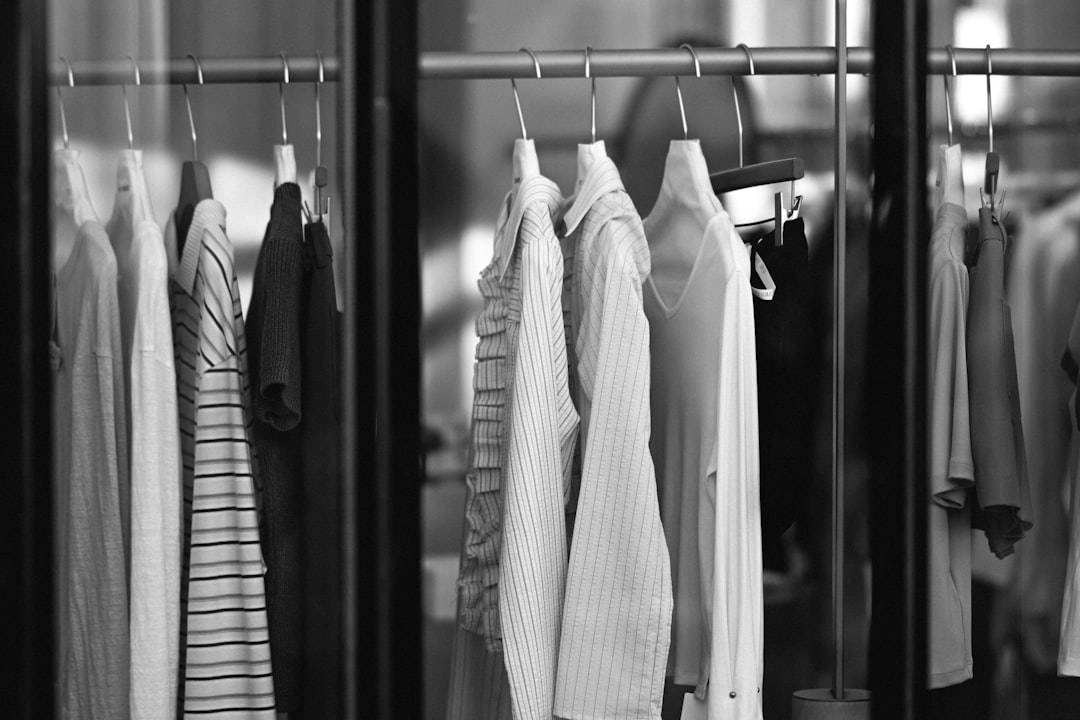
smart lifestyle apparel is less about chasing a trend and more about building a wardrobe that keeps up with real life. That sounds simple, but it changes the way I shop, the way I pack, and even the way I get dressed when I am in a hurry. If I want a quick starting point, I look at the pieces and systems on SmartLifestyleApparel.com and ask a basic question. Does this help me look pulled together without turning getting dressed into a project?
That question matters because most wardrobes fail in the same quiet way. They are full of items that look good alone and awkward together. They fit the mood of a moment, not the rhythm of a week. They rely on a burst of inspiration instead of a repeatable system. Smart lifestyle apparel solves that problem by making style practical. It aims for pieces that work in more than one setting, feel good for long stretches, and still look intentional when you wear them on a coffee run, at a desk, on a flight, or at dinner with friends.
The point is not to buy less for the sake of buying less. The point is to buy with a clearer job in mind. Every piece should earn its place. Every outfit should be easier to assemble because of the last one. When that happens, your wardrobe starts acting like a tool instead of a storage problem.
Smart lifestyle apparel basics: what the phrase really means
When I hear the phrase smart lifestyle apparel, I do not think about a single look. I think about a decision style. It is the habit of choosing clothes that can move between settings without looking out of place. A shirt that feels easy on a commute, looks clean under a blazer, and still works when the jacket comes off. Pants that are relaxed enough to wear all day, but structured enough to read as deliberate. Shoes that do not need a costume change to make sense in a different part of the day.
This is why the phrase is useful. It gives you a filter. Instead of asking whether something is fashionable in a narrow sense, you ask whether it is useful across situations. That shift changes the whole shopping process. I stop looking for isolated hero pieces and start looking for reliable connectors. A connector is a piece that helps other pieces work harder. A navy overshirt, for example, might turn a plain tee into a proper outfit. A knit polo might make jeans feel a little more refined. A clean sneaker can soften a sharp pant and keep the look balanced.
There is also a psychological side to this. A wardrobe built around smart lifestyle apparel removes some of the noise from your day. Less second guessing. Less outfit regret. Less feeling like you bought the right thing only to discover it works in one very specific mood and nowhere else. People often think style is about novelty. In practice, most of the confidence comes from repetition. If you know your clothes can handle your life, you do not waste energy negotiating with them every morning.
That is why I treat the phrase as a standard, not a style category. It is a test of usefulness, comfort, and visual clarity. If a piece cannot cross at least two settings, it probably does not belong near the center of the wardrobe.
Start with your week, not with the rack
Before I buy anything, I map the week I actually live. Not the week I wish I had. The real one. How many office hours do I have? How often do I move from desk to car to restaurant in the same day? How much walking do I do? How often am I packing a bag? The answers matter more than the product photos. A wardrobe only feels smart when it is built around the shape of your routine.
If your week is mostly remote work, your needs are different from someone commuting into a city every day. If you are moving between client meetings and casual evenings, your clothing has to handle transitions. If you travel often, wrinkle resistance and packability start to matter almost as much as appearance. Smart lifestyle apparel is not one universal formula. It is a response to pattern.
I like to divide the week into three columns. First, the settings where I need to look polished. Second, the settings where I need maximum comfort. Third, the settings where I need clothes that can do both. The third column is where the value lives. That is where a jacket, a knit, a straight pant, or a versatile dress earns attention. If I find myself buying for only one column, I am usually shopping emotionally rather than strategically.
There is a temptation to overbuild for rare occasions. A lot of people own too many clothes for a life they do not actually live. They keep special pieces for someday and everyday pieces that do not quite work. The result is a closet with no center of gravity. A smarter method is to start with the settings you repeat most often. Build around the weekday. Then add pieces that elevate the edges of the week. The clothes that bridge those gaps are usually the best investments because they reduce the total number of decisions you need to make.
If you want a practical exercise, write down the last seven days and mark every outfit you actually wore. Then circle the ones that felt easiest and looked best. That pattern will tell you more than a seasonal trend report ever could.
Fabrics that look sharp and feel easy
Fabric is where a lot of wardrobe plans quietly succeed or fail. The same cut can feel elevated in one cloth and ordinary in another. The same color can read rich or flat depending on the texture. When I shop for smart lifestyle apparel, I pay close attention to how the fabric behaves, not just how it looks in a still photo.
Cotton is the obvious starting point because it is familiar and breathable. But cotton alone can be too basic if the weave is weak or the finish is dull. A thicker cotton with a good hand feel will hold its shape better and look cleaner after repeated wear. Merino wool is another strong option because it manages temperature well and often resists odor better than people expect. That makes it useful for long workdays and travel days. Linen brings a relaxed feel, but pure linen wrinkles quickly, so blends are usually easier if you want a neater appearance. Recycled synthetics and technical blends can add stretch and durability, especially in pants, outer layers, and active-inspired pieces, but they work best when the finish still looks refined.
The question is not whether natural or synthetic is better. The question is what each fabric is doing for you. Some pieces need structure. Some need drape. Some need stretch. Some need recovery so they do not bag out by the end of the day. I also think about touch. If a fabric feels scratchy or clingy in the fitting room, it probably will not become a favorite later. Comfort is not a luxury feature. It is what makes a piece repeatable.
Texture matters too. Smooth fabrics create a cleaner, more formal signal. Ribbed knits, brushed cottons, and subtle weaves add depth without becoming loud. That is useful when you want an outfit to feel intentional without looking overdone. A wardrobe built on interesting fabrics can stay visually alive even when the colors stay simple. That is a smart way to make fewer items work harder.
One more thing I check is weight. Thin does not automatically mean versatile, and heavy does not automatically mean durable. A shirt with a little substance tends to hang better. A knit with enough body can be worn on its own instead of hiding under a layer. For pants, a fabric that recovers well after sitting matters more than a fabric that only looks good in a mirror. If you shop online, product descriptions should mention composition, weight, and care behavior. If they do not, I usually slow down before I buy.
Fit and silhouette are doing more work than you think
People often talk about fit as though it is a technical detail. I think it is the main event. Fit decides whether a piece feels expensive, casual, awkward, or pulled together. It changes the whole silhouette of the outfit, and silhouette changes how the outfit is read from a distance. Smart lifestyle apparel depends on that distance. If your clothes only work up close, they are doing too little.
The goal is not tightness. The goal is shape. A well chosen shoulder line, a clean rise, the right leg width, and a sleeve that lands in the right place can make an otherwise simple outfit feel complete. I have seen plain tees look elevated just because the neckline was right and the hem sat where it should. I have also seen expensive pieces fall flat because the proportions were off by a small amount that most people would not name, but everyone would feel.
There are a few fit signals I trust. The garment should follow the body without fighting it. It should move when you move. It should not pull in one area while hanging loose in another for no reason. It should let you sit, stand, reach, and walk without constant adjustment. If I keep tugging at the hem or rolling the cuff in the fitting room, that is usually the first sign to pass.
Silhouette matters because it creates consistency. A wardrobe becomes easier when several pieces share a similar language. Maybe that language is straight and clean. Maybe it is relaxed but tailored. Maybe it is slightly oversized, but still structured. Whatever the choice, the pieces should feel like they belong in the same conversation. That is what makes mix-and-match work without forcing it.
I also think about balance. A wide pant often looks best with a more contained top. A boxy shirt can work with a slimmer bottom. A longer jacket changes the proportions of everything underneath. This is not a rulebook. It is a set of dials. You are adjusting visual weight so the outfit feels stable. Once you start seeing clothing that way, you notice why some looks feel effortless and others feel like they are trying too hard.
If you shop in person, move around in the fitting room. Sit down. Raise your arms. Turn sideways. The mirror standing still does not tell the full story. If you shop online, compare the measurements to something you already own and trust the garment that fits your body, not the model wearing it.
Color systems make getting dressed faster
Color is one of the fastest ways to reduce decision fatigue. A good color system means fewer combinations look wrong, and that makes daily dressing feel almost automatic. For smart lifestyle apparel, I prefer a palette that creates quiet flexibility rather than visual clutter. Neutrals do a lot of the heavy lifting, but they do not have to be boring.
I usually think in three layers. The base layer includes colors that connect easily with almost everything. Black, white, navy, grey, cream, olive, and stone are reliable starting points. The middle layer includes colors that add some personality without becoming difficult. Dusty blue, muted green, rust, charcoal brown, and soft tan often work well here. The accent layer is where you can be more expressive, but I keep it limited. One or two stronger colors are enough for most wardrobes. Too many accents create friction because they do not all talk to each other.
The trick is to build a palette that matches your life, not just your taste in theory. If you work in a very casual environment, softer palettes may feel natural. If your style needs a bit more polish, deeper tones and cleaner contrast can help. If your skin tone tends to look better in warm colors, choosing creams, browns, and earthy greens will make more of your wardrobe feel easy. If cooler tones flatter you, grey, navy, white, and blue may become your anchor set. The point is not to follow color rules like a machine. The point is to reduce the number of pieces that fight each other.
There is also a practical side to color. Darker tones hide wear better in some fabrics. Lighter tones can make an outfit feel fresh and intentional, but they require a little more care. Mid tones are often the most forgiving. That is why a lot of people end up wearing them without meaning to. They are easy to integrate and easy to repeat. If you know your lifestyle is hard on clothing, a functional palette can save you time, money, and frustration.
I like to ask one simple question before buying a new color. What else in my wardrobe will this actually improve? If I cannot name at least three combinations right away, I usually step back. A color is smart when it multiplies use. It is not smart when it creates a one-off purchase that sits beside everything else like a guest who does not know anyone.
Build a wardrobe that mixes without effort
A wardrobe feels expensive when the pieces connect. That connection does not require a huge closet. It requires design. Smart lifestyle apparel works because each piece can play more than one role, and because the roles overlap. A good sweater can be casual enough for a weekend and clean enough for a meeting. A pair of trousers can feel relaxed with a tee and polished with a button-up. A jacket can make simple pieces look intentional in seconds.
I think in terms of anchors and support pieces. Anchors are the pieces I reach for most often. They set the tone. Support pieces help the anchors work in different conditions. For example, a neutral knit top may be an anchor. A blazer, overshirt, or lightweight coat becomes a support piece. The same is true for footwear. One pair of clean sneakers may anchor casual looks, while a loafer or minimalist boot can support the more polished end of the spectrum.
The best mix-and-match systems have a strong core. That core is usually built from items with shared color logic, shared silhouette logic, and shared quality standards. If one piece is very relaxed and another is very formal, the wardrobe starts pulling in opposite directions. That does not mean everything has to look identical. It means the overall energy should be coherent. When I open the closet, I want pieces that feel like they came from the same life.
This is also where I get skeptical of impulse buys. Trend items can be fun, but they often do not fit the existing system. If a new piece needs four other unusual purchases to make sense, the total cost is higher than the tag price. That is one reason smart lifestyle apparel usually favors items with broad styling range. They do not need a special event to justify them.
A useful test is to create five outfits from one new item before you buy it. If you cannot imagine a work look, a weekend look, a travel look, a layered look, and a repeat look, the item may be too narrow. You do not need a closet that impresses you once. You need one that supports you every week.
smart lifestyle apparel for workdays, weekends, and travel
The strongest wardrobes understand context. What you wear to a desk, a park, a train station, and a dinner reservation can share DNA without being identical. That is where smart lifestyle apparel earns its name. It gives you one system that adapts instead of three separate wardrobes that compete for space.
For workdays, I want clothing that reads clean and calm. That does not mean formal. It means intentional. A knit polo, crisp overshirt, tailored trouser, or neat sneaker can do a lot here. The key is to avoid pieces that look sloppy under office lighting. Even if the environment is casual, a little structure goes a long way. On workdays I usually prefer fabrics that keep their shape, colors that are quiet, and layers that I can adjust as the day changes.
Weekends ask for ease, but not indifference. I still want to look like I made a choice. A soft tee, relaxed pant, overshirt, and clean shoe can hit that balance. The outfit should feel low effort while still having some edge. That is where fit and texture matter again. A shirt that drapes well or a pant that has a better line can make a very simple outfit look far more considered than a pile of loud details ever could.
Travel is where the system gets tested. Travel clothing has to survive sitting, carrying, weather shifts, and long hours. Wrinkle resistance helps. Stretch helps. Breathability helps. But so does the ability to remix. I do not want travel pieces that only work while I am in transit. I want clothes I can wear again at my destination without feeling underdressed or overworked. A strong travel wardrobe usually contains a compact set of neutral pieces, one layer that handles temperature swings, and shoes that are comfortable enough for distance but still sharp enough for the rest of the day.
If you build this way, the same wardrobe can support Monday morning, Saturday coffee, and a weekend flight. That is the real appeal. You are not dressing for categories. You are dressing for continuity. The clothes do not need to announce the context. They just need to keep up with it.
Shopping checklist for pieces that actually pull their weight
Online shopping makes it easy to fall in love with a picture and miss the details that matter. That is why I use a checklist before I buy anything new. Smart lifestyle apparel is not about buying the most polished thing on the page. It is about buying the piece that will still feel right after the excitement wears off.
Here is the checklist I keep close.
- Does it work with at least three items I already own?
- Can I wear it in more than one setting without looking out of place?
- Does the fabric seem strong enough for repeated use?
- Will the fit still look good when I sit, walk, or layer it?
- Does the color add flexibility instead of creating a dead end?
- Would I still want it if the logo disappeared?
- Is the care routine realistic for my life?
That last question matters more than people think. If a piece needs special handling but will be worn often, the maintenance cost adds up quickly. Clothes should fit your habits, not the other way around. A wardrobe becomes difficult when every favorite item has a small but annoying rule attached to it.
I also look at product photos with a specific eye. I want front, back, and side views. I want to know where the hem falls. I want to see how the clothing moves on a body that is not frozen into one pose. Good product pages usually show enough detail to help me judge texture, scale, and proportion. If the photos are vague, I slow down. The piece may still be good, but the presentation is telling me that I will need to do more work than usual to understand it.
Reviews can help, but I read them for patterns, not praise. If several people mention the same issue with sizing, pilling, or shrinkage, that is useful. If a piece looks great but only works in very specific body proportions, I want to know that before it arrives. The smartest purchases are usually the ones that remove surprises.
When I shop with this checklist, I stop chasing the prettiest item and start choosing the most useful one. That simple shift saves money, but it also saves attention. A wardrobe should reward clarity. If a piece cannot explain why it belongs, I let it go.
Care and maintenance keep the whole system alive
Even the best wardrobe starts to drift if it is not maintained. Smart lifestyle apparel is not just about what you buy. It is about how well those pieces survive real use. I have seen great items lose their sharpness because they were washed carelessly, stored badly, or worn too many times without a reset. Good maintenance keeps the system looking intentional.
The first habit is rotation. I do not wear the same favorite piece constantly just because I can. Rotation lets fabric recover and keeps a wardrobe feeling fresh. The second habit is proper washing. I sort items by fabric needs, use gentler cycles when appropriate, and avoid unnecessary heat. Heat is one of the fastest ways to shorten the life of clothing. The third habit is drying with patience. Air drying or low-heat handling often preserves shape better than rushing everything through the hottest setting available.
Storage matters too. Sweaters should be folded in a way that protects their shape. Jackets should hang on hangers that support the shoulders. Shoes need time to dry and recover. Bags should not be crushed at the bottom of a pile. These are small actions, but they add up. A wardrobe that is cared for looks more expensive even when the price tags were modest.
I also pay attention to repairs. A loose button, a snag, or a small hem issue should not automatically send a garment to the back of the closet. Quick repairs extend the useful life of a piece and protect the rest of the system from waste. The same goes for pilling and light cleaning. A sweater that is de-pilled and brushed can look presentable again. A shoe that is cleaned regularly lasts much longer than one that is ignored until it looks tired.
Maintenance is also about editing. If something no longer fits my routine, I do not keep it in the central rotation out of habit. I move it out, replace it carefully, or accept that it was a temporary choice. That editing process keeps the wardrobe honest. It prevents the closet from becoming a museum of past intentions.
In practice, this means my favorite pieces stay in the game longer, my backups are more reliable, and my daily choices stay simpler. That is what good maintenance buys. Not perfection. Just continuity.
A practical capsule wardrobe that makes the idea real
It helps to see how smart lifestyle apparel looks when it is reduced to a small, usable system. A capsule wardrobe is not about owning as little as possible. It is about owning enough of the right things that daily dressing becomes straightforward. The exact count will vary, but the logic stays the same.
For a simple version, I would start with a foundation like this.
- Two to three clean tees in neutral tones
- Two shirts or knit tops that can work alone or layered
- One sweater or midweight knit
- One overshirt or lightweight jacket
- Two pairs of pants with different levels of polish
- One pair of cleaner shoes and one more casual pair
- One outer layer for weather
- One bag that can handle work and errands
From there, I would add one or two pieces with personality, not five. A richer color, a better texture, a slightly more refined shoe, or a relaxed weekend layer can make the wardrobe feel personal without breaking the system. The danger is always overfilling the edges before the core is stable.
If the capsule works, each item earns repeated use in more than one role. The same shirt can do work and weekend duty. The same shoe can handle a city walk and a casual dinner. The same jacket can soften different outfits and create the impression that everything was planned. That is what makes the wardrobe feel larger than it is. The number of pieces is not the story. The number of combinations is.
What I like most about this approach is that it gives me a visible standard. If a new item enters the closet, I can immediately ask whether it strengthens the capsule or distracts from it. That question is simple, but it keeps the whole system clean. It also makes future shopping easier because I am not starting from zero. I am building on a known structure.
So when I think about smart lifestyle apparel, I do not picture a single outfit. I picture a wardrobe with a clear job, a small number of strong anchors, and enough flexibility to move through the week without friction. That is the real payoff. Style stops being an event and starts feeling like part of the routine.