How to Choose the Right Shoes: Fit, Comfort, and Care for Everyday Wear
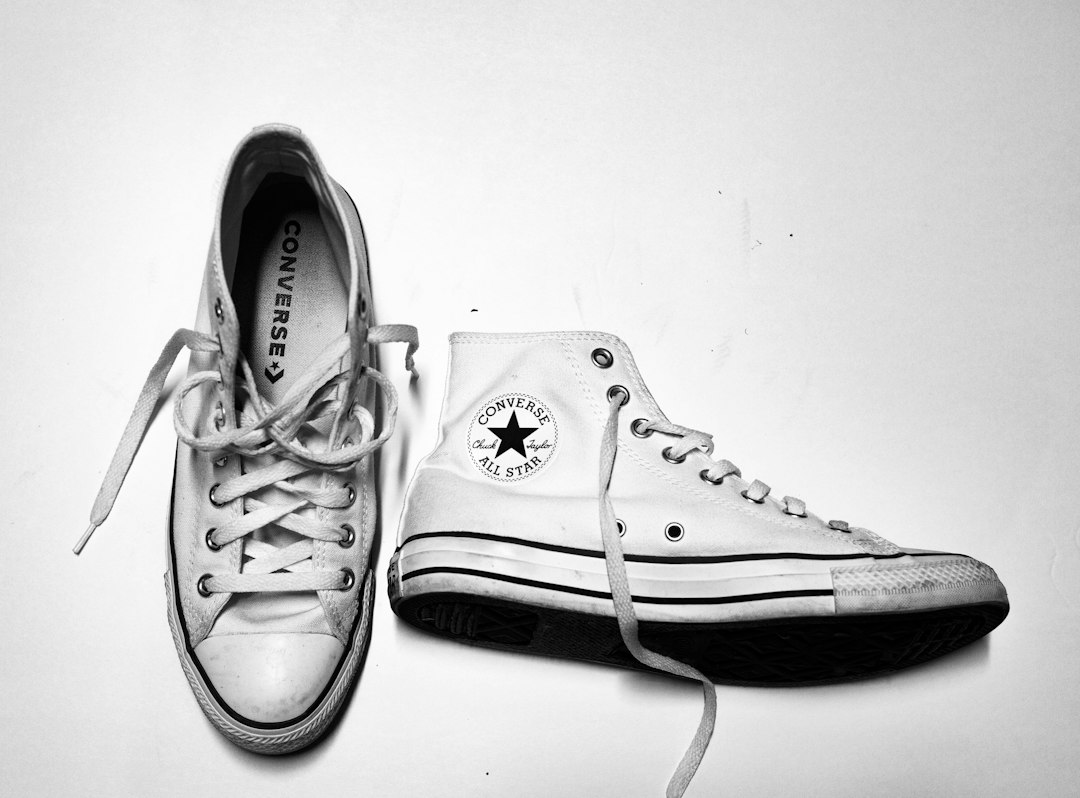
If you are shopping for new footwear and wondering where to start, the most helpful place is learning How to Choose the Right Shoes. This guide strips the process down to fit-and-feel basics, explains which materials suit which jobs, demystifies sizing and widths, and shows you how to test comfort at home or in-store. Whether you walk miles each day, spend long shifts on your feet, run a few times per week, or simply want a stylish pair that does not punish your toes, the steps below will help you make a good decision and take better care of what you buy.
Along the way, you will find detailed checklists, mini tests, and examples you can use immediately. If you want to browse options as you read, explore the Shoes catalogue on our site here: smartlifestyleapparel.com/category/shoes. Keep this guide open on your phone when you are trying pairs on; it is written to be practical at the store bench, not just at your desk.
How to Choose the Right Shoes: fit first, style second
Every shoe decision gets easier when you commit to one rule: fit first, style second. A good-looking shoe that rubs, pinches, slides, or feels wobbly will sit in your closet. A well-fitting shoe looks better on, because your posture improves, your gait smooths out, and your stride feels natural. Fit also affects durability. Shoes that are too loose or too tight gather unusual creases, wear the outsole unevenly, and fatigue seams and glue lines faster than a properly fitted pair.
So what does “fit first” actually mean in practice? It involves three quick pillars you can test in minutes:
- Length: Aim for about a thumb’s width (6–12 mm) of space between your longest toe and the end of the shoe while standing. Your longest toe is not always the big toe.
- Width and volume: The shoe should hug the midfoot without squeezing it. If the laces are pulled tight and the eyelet rows still splay wide, the upper volume is too high for your foot; if the eyelet rows touch or overlap, volume is too low.
- Heel lock: Your heel should not slip up and down when you walk. A firm counter at the back and the right lacing pattern can improve this, but sizing is the priority.
Focus on these pillars for every category—sneakers, loafers, boots, sandals—and you will instantly filter out pairs that will never feel right, regardless of price or brand. The next sections help you measure, match tasks to shoes, and fine-tune comfort.
Know your feet: shape, size, and arch profile
Two feet on one person are rarely identical. Sizes can differ by up to half a size, arches can be slightly different heights, and you may find calluses or hot spots on just one side. Start with a short self-assessment and re-check every six to twelve months; age, training, weight changes, and long work shifts can all influence your measurements.
Measure length and width
- At home: Place a sheet of paper on a hard floor against a wall. Stand on it with your heel barely touching the wall, weight evenly distributed. Mark your longest toe, then measure from the wall mark to your toe mark. Repeat for both feet. Note the larger measurement.
- In-store: Use a Brannock device or a staff member’s size guide to check both length and width. Ask for your width designation (e.g., narrow, standard, wide, extra wide) as well as your number size.
Map your arch height and foot type
- Wet footprint test: Lightly wet the bottom of your foot and step onto a piece of cardboard. A fuller imprint suggests a lower arch; a narrower midfoot imprint suggests a higher arch. This is a quick indicator, not a medical assessment.
- Observe flexibility: Some feet are more rigid, some more flexible. A flexible foot often appreciates a slightly more structured shoe, while a rigid foot may feel better with a more forgiving midsole.
Check your gait
Look at an old pair of shoes you wore often. If the heel is worn on one side more than the other, or the forefoot shows heavy pressure in a consistent spot, that pattern hints at how you load your feet. You do not need to become a gait expert, but you can use these clues when trying new shoes. For instance, if you tend to roll inward, try models with a touch more midfoot support, a secure heel counter, and a firm, stable platform that keeps you steady on uneven surfaces.
Match the shoe to the job: activity and environment
Just as you would not bring a dress shoe on a trail, do not expect one pair to do everything perfectly. Shoes are tools, and the more closely the tool matches the job, the happier your feet will be. Use this quick map to narrow your category before you think about brand or color.
- Daily walking and commuting: Prioritize cushioning that feels lively rather than mushy, a slight rocker or smooth toe spring to help your stride, and an outsole with a tread pattern that grips wet sidewalks. Breathable uppers matter if your climate is warm.
- Standing all day at work: Look for a broad, stable base, midfoot structure, and a platform that feels balanced under your heel and forefoot. Soft is not always better; a supportive shoe with moderate cushioning and a secure heel can help you feel fresher by day’s end.
- Running and fitness: Match footwear to distance and surface. Short, fast runs often feel good in lighter, more responsive shoes; longer runs may benefit from more cushioning and a stable heel. For the gym, especially when lifting, choose a flatter, stable platform with grippy outsoles.
- Travel: Seek versatile pairs that compress well in luggage, dry quickly after light rain, and look presentable with multiple outfits. Removable insoles make it easier to air out the shoe at night.
- Office and occasions: For loafers, oxfords, or heels, pay extra attention to width and toe shape. Rounded or almond toes are generally friendlier to forefeet than very narrow points. If you prefer height, thicker block heels are easier to balance on than thin stilettos.
- Outdoor and hiking: Traction and protection are critical. Match lug depth to terrain, choose uppers that resist abrasion, and ensure the heel does not migrate when descending. Some hikers enjoy a rock plate for underfoot protection on rocky trails.
Picking the right category first will save time and increase your hit rate. From there, materials determine breathability, durability, and how the shoe shapes to your foot.
Materials 101: uppers, midsoles, and outsoles explained
Materials are where comfort and longevity meet. A simple understanding of what touches your foot, what cushions your steps, and what contacts the ground will help you evaluate two pairs that look similar but feel very different.
Uppers
- Engineered knit and mesh: Highly breathable and flexible, great for warm climates and casual wear. They often stretch to accommodate small foot variations but can feel less secure for quick lateral movements if the structure is minimal.
- Leather (full-grain, nubuck, suede): Durable and molds to your foot over time. Full-grain is the most robust; nubuck and suede are softer to the touch. Leather can be conditioned to stay supple and is a solid choice for office footwear and boots.
- Synthetic leather and woven textiles: Lighter and easier to maintain than leather, often used in performance shoes for their consistent shape and low water absorption.
Midsoles
- EVA foam: Lightweight and cushioned with a softer feel. Good for daily walking and many running shoes. The exact sensation depends on the blend and geometry; some feel plush, others springy.
- TPU or PU blends: More resilient and durable than standard EVA, often slightly heavier, with a responsive feel over longer distances. Great for people who need consistent cushioning day after day.
- Stability features: Sidewalls, rails, or firmer inserts can keep your foot centered on the platform without feeling invasive. Try them if you want a steadier ride on long days.
Outsoles
- Rubber compounds: Softer rubbers grip better on wet surfaces but can wear faster. Harder compounds last longer and handle abrasion, but may feel slick on smooth tiles if the tread is shallow.
- Lug depth and pattern: Deep, spaced lugs bite soft ground; shallow, multi-directional lugs suit roads and city sidewalks. On dress shoes, look for thin rubber forefoot pieces or leather soles with added forefoot grip.
Do a quick material check each time you try on a pair: breathe on the upper to feel how quickly moisture seems to dissipate, press the midsole with your thumb to sense responsiveness, and run your fingers along the outsole lugs for sharpness and depth. Build a feel vocabulary that you can compare across brands.
Smart sizing: length, width, and conversion without guesswork
Numbers on the box are a starting point, not an absolute. Lasts—the forms used to build shoes—vary across brands and even models, so the same size can feel different. Build a simple routine to land your true size faster.
Your five-minute size routine
- Try on at the right time: Feet can swell slightly through the day. Test shoes in the afternoon or after walking to the store to mimic real-world volume.
- Use the bigger foot: Fit the larger foot first and ensure the smaller one can be adjusted with laces or a minor insole tweak.
- Stand and walk: Many people test sitting down. Stand for all checks, then walk at least 20–30 steps on a hard surface.
- Thumb test: Confirm that thumb-width space at the front while standing.
- Width check: If the shoe bulges over the midsole or your forefoot feels crammed, ask for a wider size. If the upper creases sharply across the vamp and eyelets pull together, try narrower or lower-volume options.
Conversion tips
- US/EU/UK/CM charts: Use brand-specific charts when possible; generic conversions are helpful but not perfect. Pay attention to centimeter (Mondopoint) measurements if available, since they map to your foot length directly.
- Unisex sizing: Some brands list men’s and women’s sizes together. If you are switching systems, most men’s sizes are roughly 1.5 lower than the women’s equivalent in the same brand, but verify with the chart.
Above all, trust feel. If a shoe checks the length box but slides at the heel, the last shape does not match your foot. Keep searching; another model in the same size can be perfect.
Comfort without the myths: cushioning, support, and the platform
Comfort is not only softness. It is also stability, shape, and how the shoe guides your foot through each step. When you hear terms like “plush,” “springy,” or “supportive,” translate them into experiences you can test.
- Plush: The cushioning compresses easily under your weight. This can feel relaxing for walking and long shifts, but too much sink can make you feel off balance.
- Springy: The cushioning rebounds more, making you feel propelled forward. Great for lively walking and running.
- Supportive: The platform keeps you centered. You sense fewer wobbles on uneven ground, and your heel feels anchored.
Do three quick tests
- Heel squeeze: Press the heel counter. A firmer counter improves heel hold; a very soft counter may allow extra movement.
- Twist test: Hold the shoe by the heel and forefoot and gently twist. More resistance suggests a more stable platform; easy twisting suggests a flexible, free-feeling ride.
- Step-on balance: With the shoe on, stand on one leg for a moment. If you feel instantly steady, the geometry likely suits you. If you wobble, consider a different model or more secure lacing.
Your goal is a balance: enough cushioning to stay comfortable through your day, enough structure to feel confident on turns, stairs, and varied surfaces, and a shape that follows your foot rather than forcing it into awkward angles.
Common buying mistakes and easy ways to avoid them
Good shoes feel forgettable the moment you leave the door. If you notice rubbing, wobble, or a need to adjust your stride, something is off. These are the most frequent pitfalls—and the habits that avoid them.
- Buying by the number alone: Two size 9s can feel wildly different. Always try both shoes, stand, and walk.
- Ignoring width and volume: Many people settle for “close enough” in width. Ask for wide or narrow options and pay attention to how the eyelets align when laced.
- Choosing softness over stability: A pillowy step can hide a wobbly platform. If you work on slick floors, prioritize traction and a steady base.
- Assuming break-in will fix everything: Materials relax with wear, but a shoe that starts uncomfortable rarely becomes a favorite. Minor hot spots can improve; major pinches usually do not.
- Forgetting socks: Try on with the thickness you will actually wear. A thin studio sock will not tell you how the shoe feels with heavier work socks.
- Skipping the heel lock test: Heel slip today means heel slip tomorrow. Test a runner’s loop lacing pattern; if slip remains, pick another model.
Carry this mental checklist into the store. If a pair fails more than one item, move on without hesitation.
Break-in, lacing tactics, and sock strategy
Even well-fitted shoes benefit from a short settling-in period. Use a structured approach to make new pairs comfortable faster and minimize early discomfort.
Break-in plan
- Short first outings: Start with 30–60 minute walks or a few office hours. Increase time over several days.
- Flex the forefoot by hand: Gently bend the shoe at the toe seam to ease initial stiffness, especially on leather styles.
- Rotate pairs: Alternate new shoes with a tried-and-true pair for the first week so materials can relax and dry between wears.
Lacing tactics that change fit
- Runner’s loop (lock lacing): Adds heel security by creating a lace loop in the top eyelets and threading the opposite lace through the loop before tying.
- Skip-eyelet method: Skip the eyelet where pressure occurs on the top of the foot to relieve midfoot tightness.
- Wide forefoot lacing: Start looser in the lower eyelets and gradually tighten up the ankle to accommodate a broad forefoot without losing heel lock.
Pick the right socks
- Material: Look for moisture-wicking blends of synthetics or wool to help manage sweat and friction. Cotton stays damp longer.
- Thickness: Match sock thickness to shoe volume. A slightly thin sock can open space in a snug shoe; a slightly thicker sock can take up volume in a roomy shoe.
- Seam placement: Smooth toe seams reduce rubbing on long days.
Small adjustments compound into big improvements. Many people are surprised by how much a lacing tweak changes the way a shoe feels.
Care and maintenance: make good shoes last longer
A simple care routine extends the life of almost any pair, keeps them looking presentable, and preserves the way they feel underfoot. You do not need a closet full of products—just a few habits.
After each wear
- Air out: Loosen laces, remove insoles if they are removable, and let shoes dry in a ventilated area away from direct heat.
- Brush off grit: A soft brush keeps knit and mesh clean; a suede brush maintains nap; a damp cloth removes street film from leather and synthetics.
Weekly or as needed
- Spot clean: Mix a mild soap with warm water. Dab and wipe—do not soak. Rinse cloths thoroughly to remove soap residue.
- Condition leather: A small amount of leather conditioner keeps full-grain and nubuck supple. Test any product on an inconspicuous spot first.
- Deodorize: Sprinkle a little baking soda in the shoe overnight, then shake it out. Or use removable insoles you can wash gently and air dry flat.
Storage
- Keep shape: Use paper or simple shoe trees to help shoes keep their form, especially leather styles.
- Avoid heat and damp: High heat can cause adhesives to fatigue. A dry, ventilated shelf is better than a sealed plastic box.
These routines take minutes, delay visible wear, and keep the ride consistent. If you want more ideas or are ready to pick a pair to care for, see the current selection at smartlifestyleapparel.com/category/shoes.
Budget, value, and sustainability: cost of ownership
Value is not only the sticker price. It is also how many comfortable hours you get per dollar, how well the pair holds up, and whether you can keep it performing across seasons.
- Think in cost-per-wear: A dependable $120 pair you wear 150 times costs less per use than a $60 pair you abandon after 20 wears.
- Look for repair-friendly designs: Replaceable insoles, durable outsoles, and stitched (rather than only glued) components can extend a shoe’s useful life.
- Choose materials that match your habits: If you walk in rain often, a water-resistant upper and grippy outsole are worth paying for. If you travel, lightweight and quick-drying matter more.
- Consider responsible materials: Some brands use recycled meshes, bio-based foams, or certified leathers. Responsible choices can still be durable and comfortable—read the spec sheets.
When a pair fits well and serves its purpose, you will actually use it. That is the best sustainability plan: buy what you will happily wear often, then take care of it.
Quick scenario checklists
Use these checklists at the rack or online to evaluate pairs in seconds.
Daily walking/commute
- Thumb-width space at the longest toe
- Secure heel with a runner’s loop available if needed
- Midsole that feels lively, not mushy
- Outsole tread that grips wet pavement
- Upper breathes for your climate
Standing all day
- Stable base with minimal side-to-side wobble
- Moderate cushioning that does not collapse
- Supportive midfoot wrap without pressure on top of the foot
- Outsole rubber that resists slick floors
- Room for your preferred work socks
Running and cross-training
- Secure heel and midfoot; no sliding on turns
- Cushioning tuned to your distance (more for long runs, less for fast sessions)
- Responsive feel for workouts; stable platform for lifting days
- Breathable upper and durable toe guard
- Lace pattern that eliminates pressure points
Office and dress
- Toe shape that respects your forefoot (rounded or almond for most)
- Consistent width; avoid cramped vamp creases on first wear
- Leather quality appropriate for polishing and conditioning
- Non-slip forefoot patches on smoother soles
- Stable heel; thicker block heels if height is desired
Travel
- Versatile look with shorts and trousers
- Lightweight and compressible in a suitcase
- Quick-drying materials for sudden rain
- Removable insoles to air out at night
- Outsole that grips tile, cobblestone, and airport floors
When to replace: simple wear indicators
Even the best shoes have a lifespan. Instead of counting months, watch for changes in feel and visible wear. Replace pairs when several of these show up together:
- Flattened foam: The midsole no longer rebounds when you press it, and your steps feel dull.
- Uneven outsole wear: One side of the heel or forefoot is noticeably thinner and alters your stance.
- Persistent heel slip or new hot spots: If fit tweaks no longer help, the structure may be worn in ways you cannot fix.
- Deep creases or splits: Severe upper creasing across high-pressure zones or cracks at flex points are signs the materials have passed their reliable phase.
- Wet feet on damp ground: If moisture seeps up through the outsole or stitches, the shoe is ready to retire from daily duty.
Retire pairs from high-demand use first. Many shoes that feel a bit tired for long shifts still serve well for quick errands or gardening. When you are ready for your next daily driver, revisit the checklists above and browse fresh options at smartlifestyleapparel.com/category/shoes.
Try-on script you can use in minutes
If you prefer a quick, repeatable process, use this script in the store or at home for online orders:
- Try on in the afternoon with the socks you will actually wear.
- Stand up, tap your heel to the back, then lace to moderate tension.
- Check thumb-width space at the front.
- Walk 20–30 steps on a hard floor. Does the heel move?
- Perform the one-leg balance test for five seconds per side.
- Climb a flight of stairs if possible or mimic a step. Any toe pressure?
- Try a runner’s loop if your heel slips. If it still slips, swap models.
- Compare two sizes back-to-back. Keep the pair that disappears on your foot.
Keep this routine on a note in your phone. It suits sneakers, boots, and many casual or dress styles. The more you use it, the better you will feel small differences between pairs.
A note on online ordering and returns
Ordering online can be efficient if you build a small checklist and keep notes on what sizes work for each brand. Many companies publish last shapes, width options, and centimeter-based size tables now. If you are between sizes, order two to compare and return the one that does not pass your try-on script. When the box arrives, test indoors on clean floors to keep the option to return. Keep a running note in your phone such as “Brand A: size 9, D width; Brand B: 8.5, wide; travel pair in 42 EU.” Those notes will save you hours later.
Put it all together
Choosing well-fitting footwear is simpler than it seems when you make a few non-negotiables. Start with the fit pillars (length, width/volume, heel lock). Match the shoe to the job before you think about color. Read the materials so you know how the pair will breathe, cushion, and grip. Use a five-minute size routine and the three comfort tests. Adjust with lacing and sock choices. Care for your shoes so they feel good longer. And when a pair finally ages out, you will recognize the signs and choose the next one with confidence.
If you are ready to see what is available now, browse the current selection here: smartlifestyleapparel.com/category/shoes. Keep this guide at hand, compare a few pairs, and let your feet decide. When the right one disappears on your foot, you will know you made the right choice.