If you’re trying to find the best walking shoes for daily use, this guide is designed to help you choose a pair that feels good, fits well, and stands up to your life. Whether you commute, travel, run errands, or take evening strolls, the right shoe can make that routine feel lighter and more predictable.
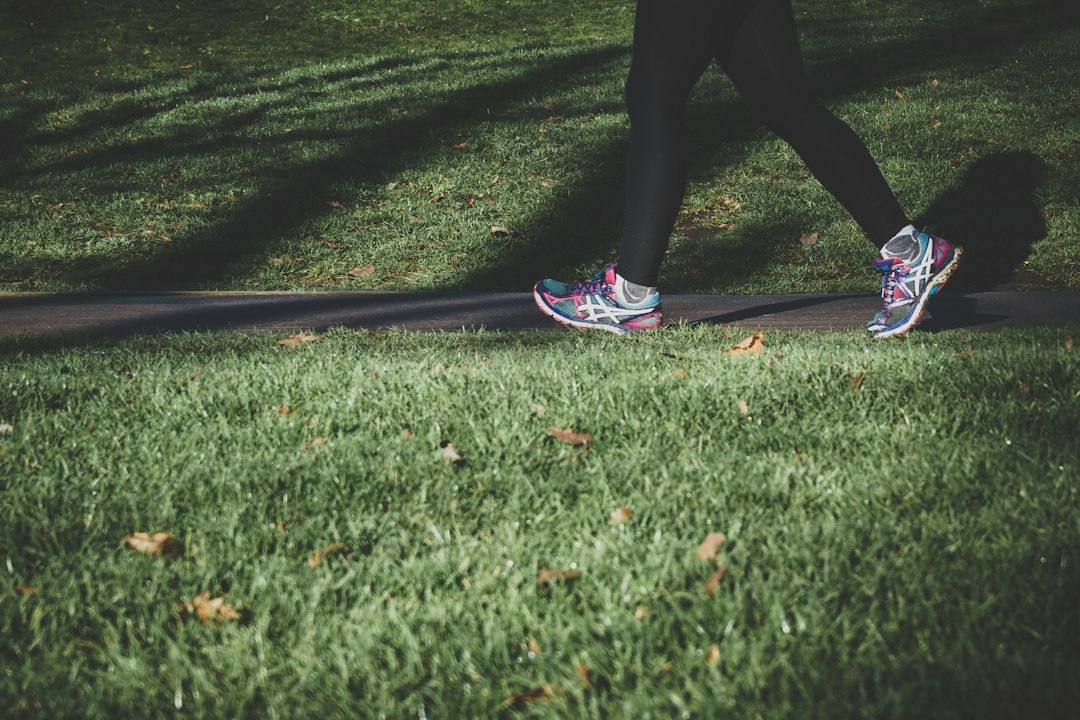
best walking shoes for daily use: what it really means
Daily use sounds simple, but it covers a lot of ground. It can mean a short walk to the bus stop, a quick loop around the block with a dog, a ten-minute break between meetings, or a day of sightseeing on city pavement. Shoes built for daily life should be versatile, not specialized solely for speed or for rugged trails. They should handle mixed tasks: standing, strolling, stepping on and off curbs, and occasionally moving a bit faster. Think of them as the baseline tools for your feet, the pair you reach for by default when you don’t want to think too hard about what’s next.
Versatility does not mean compromise everywhere. The shoe should match most of your common surfaces and pace, and it should feel consistent across different parts of the day. Consistency matters because feet change subtly as hours pass. Mornings may feel snug; afternoons can feel a bit fuller. Shoes that remain comfortable across that shift are ideal for repetition, which is what daily life is made of.
Daily-friendly shoes blend cushioning for repetitive steps with a stable platform for sidewalks, store aisles, platforms, and crosswalks. They work with a relaxed pace and adapt to modest bursts of speed without feeling wobbly. They are not loud in style; they blend with jeans, chinos, athleisure, and office-casual outfits. Their durability is quiet too. You shouldn’t have to think about them until the moment they need a refresh.
Before we go deeper, you can also browse options in our own catalog. If you want inspiration, see the latest additions in our Shoes category on our site: Smart Lifestyle Apparel Shoes. Explore models, compare descriptions, and use the checklists below to evaluate them like a pro.
Fit and sizing: the foundation of everyday comfort
Most comfort problems are fit problems. Getting the size and shape right has more impact than any single technology claim. Here’s a plain approach you can apply in a store or at home.
Start with length. Many people size up or down to solve issues that actually come from width or volume. Stand up when measuring. There should be space (about a thumbnail) in front of the longest toe. That extra room lets your foot move forward gently as you walk without bumping the front. But length alone is not enough—pay attention to width and depth.
Width is about how the shoe hugs the forefoot. If you feel squeezing on the sides or pins-and-needles, broaden the width before changing length. Many brands offer multiple widths, and a wider option often solves the side-pressure issue without making the shoe too long. Depth, or volume, affects how the upper wraps your foot. If the top feels tight across the laces even with them loosened, look for shoes with a taller toe box or a softer, more accommodating upper material.
Once length, width, and depth feel right, evaluate the heel. When you walk, your heel should stay stable with minimal lift. A small amount of movement can be normal, but repeated slippage during a brisk walk signals the heel cup is too low, too wide, or that the lacing is not securing the midfoot. Some shoes add a heel counter (a supportive structure around the heel) for extra stability without stiffening the whole shoe. If the heel feels locked in without pinching, you’re close to a daily-ready fit.
Finally, test the flex. Hold the shoe at the heel and the toe and bend it. A daily-walking shoe should flex where your foot flexes—around the ball of the foot. If it folds far back toward the midfoot, it may feel unstable. If it’s extremely rigid, it can feel tiring at slow tempos. Aim for a flexible forefoot with a slightly more supportive midfoot; that balance suits most daily rhythms.
Materials and construction: what each layer does
Understanding the main parts helps you read a product description with confidence. From bottom to top, there’s the outsole, the midsole, the insole, and the upper. Each layer plays a role in what you feel.
The outsole meets the ground. A full rubber outsole lasts longer and grips well on wet sidewalks, but it can add weight. Blended compounds reduce weight and sometimes increase softness, which feels good but may abrade faster. Lug patterns matter too. Shallow, fine patterns do better on flat sidewalks; moderate lugs bring confidence on damp park paths. For everyday life that mixes pavement and occasional park trails, a moderate pattern with durable rubber in high-wear zones gives a good balance.
The midsole is the cushion and platform. Foams come in flavors: EVA-based foams are common, light, and balanced. TPU-based foams bring springy energy and often last longer, though they can feel firmer. Some shoes blend foams or layer them to tune feel. For daily use, stability matters as much as softness. A wide base with gentle sidewalls keeps you centered when your attention is on traffic or your phone. If a midsole feels marshmallow-soft in the store, make sure it doesn’t wobble side-to-side when you take faster steps.
The insole is closer to the foot. A shaped insole can add comfort and subtle guidance. Removable insoles let you customize with aftermarket options if you like a different feel. Remember, changing insoles can alter the internal volume; a thicker insert can make a shoe feel tighter across the top.
The upper wraps everything together. Knit uppers feel adaptive and breathable; engineered mesh mixes structure and airflow; leather or synthetic leather adds durability and a polished look. Daily routines benefit from breathable uppers in warm months and more structured materials when it’s cooler or wetter. Padding along the collar and tongue can improve comfort and reduce lace bite. Look for stitched or fused reinforcements in areas that flex to reduce hotspots and extend life.
Cushioning and stability: balancing softness with control
Daily walking is repetitive. Cushioning softens the landing, but too much softness can feel vague. Stability keeps steps predictable so your body can relax at an easy pace. Your goal is to find balance rather than chase extremes.
Use these signals to narrow your choices:
- If your steps feel punchy or jarring in a current pair, look for shoes with a slightly thicker midsole and a softer foam blend. The difference should be noticeable without feeling bouncy.
- If your steps feel squishy and your ankles work harder on uneven bricks or curb cuts, choose a model with a wider base, a gentle rocker shape, and supportive sidewalls. The shoe should roll you forward without wobble.
- For long city days, a moderate rocker (a subtle curve underfoot) can reduce effort by smoothing transition from heel to toe. It shouldn’t feel like you’re on a rocking horse; the change should be subtle and natural.
Remember, stability is not a rigid post or a stiff plate by default. Many modern shoes achieve stable steps with geometry: a broad base, sidewalls, and tuned foam density. Try the easy hallway test: walk briskly and make a quick turn. If the shoe moves with you without hesitation, you’ve found helpful control for daily life.
Outsoles and traction: city blocks, parks, and wet tiles
Sidewalks and store tiles are slippery when damp. On rainy days, shallow lugs made of tacky rubber help. On dry days, a smoother pattern glides quietly. The trick is choosing a pattern that handles both without feeling heavy.
Look at the rubber placement. Strategic patches under the heel and forefoot reduce wear without adding bulk. Continuous rubber across the forefoot can feel stable when you push off. Flex grooves that align with the ball of the foot allow easy bending. For mixed city and light-park use, choose a pattern with slightly raised edges and a modest center zone. This setup grips on crosswalk paint and still rolls well on clean floors.
If you live in a rainy city or cross tile floors often, test traction at home by walking on a clean kitchen tile with a damp cloth on it (be careful). If the shoe slips easily, return to the store and try models that emphasize grip compounds. Brands rarely advertise exact formulas, so your own test is the best signal.
Support underfoot: neutral guidance without heavy structure
Support doesn’t have to mean rigid parts. For daily walks and errands, most people do well with neutral shoes that guide with shape rather than stiff additions. A gently contoured insole can improve comfort. Sidewalls that rise a little around the foot keep you centered on uneven surfaces. If you like a slightly firmer feel under the arch, look for an insole with modest shaping or consider a swappable insole designed for everyday comfort.
A practical path: start neutral, then adjust based on how you feel after two or three weeks. If you find you want more structure, pick a model with a wider platform and a bit more firmness in the midfoot. If you want more softness, choose a similar shape with a slightly cushier foam. Avoid making big changes all at once; incremental steps make it easier to notice what helps.
Context-based picks: work, commute, travel, and errands
Daily life is a patchwork. A shoe that shines at the office might be fine for a short walk but less ideal for a day of museum hopping. Try mapping your week and choosing shoes that match the biggest chunks of time. Below are practical pairings you can use to narrow choices.
- Work and commute: Look for a polished upper (engineered mesh with subtle texture, leather overlays, or smooth synthetic panels) and a quiet outsole. Cushioning should be moderate, so meetings and hallway walks feel natural. A muted colorway blends with office wear.
- Travel and sightseeing: Prioritize multi-surface grip, breathable uppers, and a midsole that balances softness and stability. Think of airports, moving sidewalks, cobblestones, museum floors, and long lines. A removable insole lets you dry the inside overnight if needed.
- Errands and school runs: Choose easy-on features like a gently padded tongue and smooth lacing system. A slightly wider base brings confidence when you carry bags. Durability matters because quick trips add up fast over months.
- Evening walks: Reflective details help at dusk. A comfortable rocker helps you maintain a relaxed rhythm. Consider a lighter color for summer evenings and a darker one for wetter seasons.
If you have a job that keeps you standing, pick a model with balanced cushioning and a supportive platform. Shoes that feel good in the first hour but maintain shape after five hours are the ones you’ll keep reaching for. Use the care and rotation tips later in this guide to keep that feeling consistent throughout the week.
Walking shoes vs running shoes vs lifestyle sneakers
It’s easy to assume all cushioned sneakers are the same. They’re not. Running shoes are tuned for forward motion at a steady pace, with materials optimized for impact cycles and stride mechanics. Lifestyle sneakers often prioritize looks and casual comfort, sometimes with less focus on long-term underfoot support.
Walking shoes typically fall in the middle. They roll smoothly at slower speeds, keep you centered in turns, and resist feeling sloppy after months of daily miles. Their forefoot flex is usually aligned with the ball of the foot so that slow steps feel natural. The outsole patterns are designed for mixed indoor and outdoor use, and the uppers blend breathable comfort with a bit of structure.
You can absolutely wear a running shoe for daily life. Many people do and enjoy it. The key is choosing a running model with moderate geometry—neither too soft nor too narrow—and an outsole that can tolerate sidewalks and tiles without wearing rapidly. Likewise, some lifestyle sneakers make fine daily walkers if they offer enough cushioning and a stable base. Read product descriptions closely, try the tests in this guide, and trust your own steps. Labels are helpful, but your routine decides.
Try-on checklist: quick tests you can do anywhere
These simple checks help you evaluate shoes in minutes. Do them in-store or at home on a clean surface.
- Breathing room at the toes: Stand, wiggle your toes, and check for about a thumbnail’s space. Jog lightly in place. If your toes hit the front, try a half-size up or a wider option.
- Midfoot security: Lace up and tighten gradually. The shoe should hug without pinching. If the top of your foot feels pressure even with light lacing, look for a taller or softer upper.
- Heel hold: Walk briskly and make two quick turns. Minimal heel movement is fine; repeated slip means the heel or midfoot fit needs adjustment.
- Flex point: Bend the shoe. It should flex at the forefoot, not near the arch. If it bends far back, it may feel unstable at everyday speeds.
- Balance: Stand on one foot for a second (use a wall for safety). The shoe should feel centered. If you feel off-balance, consider a slightly wider base or a model with sidewalls.
- Noise test: Walk on a hard floor. Excess squeak or slap sounds sometimes hint at outsole compounds or geometry that might bother you over time.
- Home traction check: Carefully test on a dry tile and a lightly damp cloth on the tile. If it slides too easily, look for a different outsole pattern or rubber blend.
Write down your impressions right after the try-on. Later, when you compare pairs, these notes will help you remember why a shoe felt right or wrong.
Durability, care, and rotation: keeping that day-one feel
Daily walking quietly adds a lot of miles. A simple care routine extends the useful life of your shoes and keeps them feeling consistent. It also saves time because you won’t be adjusting to tired foam or frayed laces midweek.
Rotation: If your budget allows, rotate two pairs. Alternating days lets foam rebound and uppers dry naturally, which helps them keep their shape longer. If you can only own one pair, give them a rest day when possible, especially after a long outing.
Drying: If they get damp, remove the insoles and let air circulate. Avoid direct heat sources; they can deform glue and warp materials. Stuff the shoes lightly with newspaper or use a small desk fan to move air.
Cleaning: Wipe the outsole with a damp cloth to improve traction on smooth floors. Brush the upper gently with a soft brush to remove dust. For knit or mesh, spot clean with mild soap and water. For leather overlays, use a soft cloth and a tiny amount of appropriate cleaner. Rinse gently and air-dry.
Laces and insoles: Replace laces if they fray or stretch unevenly; consistency in lacing tension helps daily comfort. If insoles compress and feel flat, consider replacing them with a similar thickness to preserve fit.
Storage: Keep shoes in a cool, dry area. Use a simple shoe tree or loosely stuff the toe box with paper to maintain shape if you store them for weeks.
Lifespan signals: Most everyday walkers last 300–500 miles, depending on materials and surfaces. Watch for outsole bald spots, a noticeable tilt inward or outward, a midsole that feels flat compared to week one, or an upper that no longer holds your foot comfortably. These cues suggest it’s time to move on to a fresh pair.
Breathability, weather, and seasonal swaps
Your environment influences what feels good day to day. Warm regions favor airflow; cooler or damp regions benefit from structure and weather-minded materials. You can tune comfort by swapping pairs seasonally instead of expecting one model to do everything year-round.
- Warm seasons: Look for open-engineered mesh or knit uppers with supportive overlays. Lighter colors reflect heat; inner linings that wick moisture add comfort on hot days.
- Cool or damp seasons: Consider uppers with denser mesh, a bit of leather or synthetic overlays, and outsoles with slightly more pronounced lugs. Darker colors hide splash marks and road dust.
- Transitional months: This is where rotation shines. Alternate between your airy option and your structured option depending on the day’s weather and plans.
Small details add up: reflective accents for early sunsets, a collar that pairs well with the socks you wear most, and a tongue that stays put without shifting to one side.
Style and wardrobe: the everyday blend
The best daily shoes get worn frequently because they work with what you actually wear. Neutral colors—black, gray, navy, white, and earthy tones—match more outfits. If your wardrobe leans toward warm hues, consider tan, cream, or olive. If it leans cool, charcoal, navy, and crisp white make mixing easy.
Pay attention to the toe shape and profile. A sleeker silhouette pairs nicely with slacks and office-casual outfits. A slightly chunkier profile fits athleisure and denim. If you want a single pair to bridge many outfits, choose an upper design with limited overlays, clean lines, and subtle branding. Quiet design usually ages better visually, which makes you more likely to keep wearing the shoes as seasons pass.
Function still drives the decision. If two pairs tie on comfort and fit, use style as the tiebreaker. You’ll reach for the pair that makes getting dressed simpler.
Sustainability and budget planning: making smart, steady choices
Daily shoes are tools you use often. Buying well and caring well can reduce waste and cost over time. Seek durable outsoles in high-wear zones, midsoles that keep shape for months, and uppers designed to handle repeated bending at the forefoot. Materials with recycled content can be part of the decision if they don’t compromise comfort or durability.
Budget strategy matters. Consider the cost per day or cost per mile rather than sticker price alone. A pair that lasts nine months of steady use and stays comfortable may cost less per day than a cheaper pair that feels tired after three months. Rotating two pairs, if possible, can stretch the lifespan of both. When replacing, keep your notes from try-ons and walks; they make the next purchase faster and more accurate.
Common mistakes and how to avoid them
Even careful shoppers run into predictable missteps. Here are problems and straightforward fixes.
- Using length to fix width: If the shoe pinches the sides, try a wider option before going longer. Longer shoes can cause toe bumping and awkward flex.
- Chasing maximum softness: Extremely soft midsoles can feel great in the store, but on sidewalks they may feel vague. Balance softness with a stable base and supportive geometry.
- Ignoring the heel: A secure heel reduces fiddling with laces later. If the heel slips repeatedly, try different lacing or a model with a deeper heel cup.
- Skipping the flex test: If the shoe bends at the wrong point, your steps may feel awkward. Always check flex alignment.
- One-pair-for-everything expectations: If budget allows, rotate pairs for seasons or tasks. A dedicated daily pair plus a slightly dressier pair or a more robust pair covers most routines.
Putting it all together: a simple decision flow
Use this quick sequence to choose confidently:
- Define the main use: List your top three daily tasks (commute, errands, evening walks). Choose shoes built for those tasks first.
- Pick the right shape: Choose length, width, and depth that match your foot. Ensure heel security and aligned flex.
- Balance cushion and stability: Soft enough to enjoy repetitive steps, stable enough to feel centered in turns.
- Match outsole to surfaces: Moderate lugs and durable rubber in high-wear zones for mixed city life.
- Confirm comfort after a week: Wear them for typical days. If they still feel good, you chose well.
- Set a care routine: Clean occasionally, dry gently, and rotate if you can. Plan your replacement using the lifespan signals you learned.
When you combine these steps, daily walking becomes something you quietly enjoy, not endure. The right shoes won’t call attention to themselves. They simply do their job, letting you focus on everything else that matters in your day.