For the best dress shoes for women standing all day, pick a supportive loafer or a low block-heel pump (0.75–1.75 inches) with real arch support, a cushioned footbed, a roomy toe box, and a grippy outsole. If you spend hours on hard floors, prioritize shoes with removable insoles so you can add an orthotic or higher-density insole.
Those two styles balance polish and biomechanics better than sky-high heels or thin ballet flats, and you can find them in work-appropriate silhouettes with wide-width options. Start with the right category for your dress code and floors, then check for arch shape, forefoot cushioning, traction, and return policies so you can test them at home without stress.
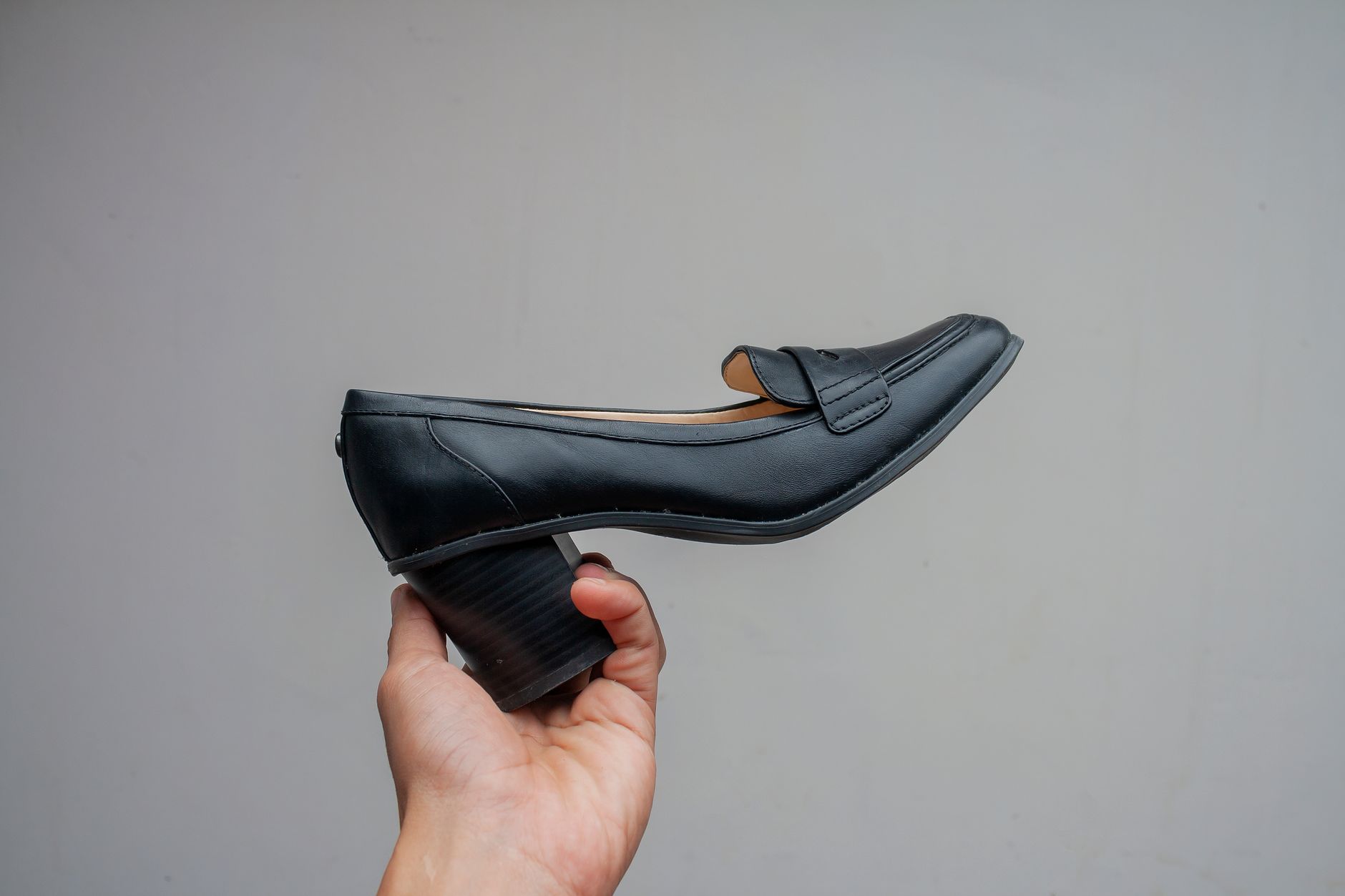
Best Dress Shoes for Women Standing All Day: Quick Picks and Who They Suit
Here’s a one-glance guide to which styles usually work best for long standing, plus what they’re great at and where they struggle. Use this as a starting point, then refine based on your feet and workplace rules.
| Style/Model | Dress code level | Heel height (in) | Weight per shoe (oz) | Arch support | Cushioning (forefoot/heel) | Toe box room | Widths available | Removable insole | Outsole grip | Upper material | Sizes | Price | Return window | Best for | Not for |
|---|---|---|---|---|---|---|---|---|---|---|---|---|---|---|---|
| Supportive loafer (benchmark) | Business to business casual | 0.75–1.25 | 7–10 | Medium–high | Medium / Medium–high | Round/almond; roomy | Medium, Wide, Extra Wide | Often Yes | High (rubber or rubber pods) | Leather or vegan leather | US 5–12 | $80–$200 | 30–60 days typical | All-day retail, office on tile/wood | Very formal events |
| Low block-heel pump (benchmark) | Formal to business | 1.0–1.75 | 6–8 | Medium | Medium / Medium | Almond; moderate | Narrow, Medium, Wide | Sometimes | Moderate–High (rubber or hybrid) | Leather or suede | US 5–12 | $90–$220 | 30–60 days typical | Client-facing roles, carpeted offices | Very hard floors without insole |
| Structured ballet flat (with insole) | Business casual | 0–0.5 | 5–7 | Low–Medium (add insole) | Low / Medium | Round; roomy if stretchy | Medium, Wide | Varies | Moderate (rubber outsole a plus) | Leather/knit | US 5–12 | $60–$150 | 30–60 days typical | Shorter stands, flexible floors | Concrete without extra support |
| Mary Jane or shootie (strap support) | Business to formal | 1.0–1.75 | 6–9 | Medium–High | Medium / Medium–High | Almond/round; moderate–roomy | Narrow, Medium, Wide | Sometimes | High (rubber base; strap stability) | Leather/suede | US 5–12 | $90–$220 | 30–60 days typical | Events, teachers, front desk | Very narrow feet (if strap rubs) |
| Wedge or dress boot (seasonal) | Business to business casual | 1.0–2.0 | 9–12 | Medium | Medium / High | Almond; roomy if round | Medium, Wide | Often Yes | High (wedge base + rubber) | Leather/vegan leather | US 5–12 | $100–$250 | 30–60 days typical | Cold seasons, even weight feel | Very formal suits |
Cost-per-wear snapshot: if a $150 loafer sees 120 full workdays in a year, that’s $1.25 per day before it needs an insole refresh or a resole. Use return policies to try two sizes at home, walk on clean carpet for 15–20 minutes, and keep only the pair that feels right.
What to Look For So Your Dress Shoes Feel Good from 8 to 12 Hours
Support and shock absorption: a contoured footbed that matches your arch shape reduces calf and heel strain. A stable midfoot (through a built-in shank or firm midsole layer) stops the shoe from bending in the middle. Cushion under the forefoot matters as much as the heel when you stand in place; look for visible padding or a dual-density insole.
Heel height and stability: the sweet spot for most people standing all day is 0.75–1.75 inches. That small lift can unload the Achilles without tipping you forward. Choose a block heel or wedge base over a slender heel because the larger surface area spreads pressure and improves balance. If floors are slick, prioritize traction patterns and rubber compounds you can feel with a fingertip.
Toe box and widths: round or almond toes give your forefoot room to splay naturally, which keeps blood flow and reduces hot spots. If you have bunions or broader forefeet, consider stretch panels, stitched-on aprons that don’t pinch, or styles offered in wide/extra-wide. Pointy toes compress; if you must wear them, go up half a size and add a thin forefoot pad to soften pressure.
Materials and construction: removable insoles make room for an aftermarket insert. A flexible forefoot (where the shoe bends at the ball, not the midfoot) reduces fatigue as you shift weight. Outsoles with rubber pods or full rubber are grippier than hard leather, and breathable linings (leather or mesh) help manage moisture.
Best-by-Category Picks with Specs and Budget Options
Supportive loafers (most offices)
Why they work: loafers pair professional looks with a flat or low-heel profile and enough upper coverage to hide a supportive insole. Aim for 0.75–1.25 inches of heel, an almond or round toe, and a rubber or hybrid outsole. If your arch is flat, choose a firmer footbed; if your arch is higher, a medium-firm contoured insole usually feels better than pillowy foam.
Specs to prioritize: 7–10 oz per shoe, rubber traction pods, removable insole, and wide or extra-wide options. Budget range often sits around $80–$120; premium leather and resolable construction land closer to $160–$220.
Low block-heel pumps (more formal)
Why they work: a 1–1.75 inch block heel looks refined yet keeps your center of mass stable. Look for a heel base as wide as your thumb and a cushioned forefoot; many pumps skimp on forefoot padding, which is what you feel by 3 p.m.
Specs to prioritize: 6–8 oz per shoe, rubber heel cap plus rubber or hybrid forefoot, medium arch contour. Foam-only insoles compress faster; a layered insole with a denser midfoot panel lasts longer.
Ballet flats and Mary Janes/shooties (low profile with straps)
Why they work: a strap locks the heel and midfoot so the shoe doesn’t flop, which helps when you walk between counters all day. Choose a structured footbed over a flat insole. Flats with knit uppers can be comfortable if the platform has a built-in arch contour and a rubber outsole.
Specs to prioritize: 5–7 oz per shoe for flats, 6–9 oz for Mary Janes; medium arch via insole; removable insole preferred. If the shoe is very thin under the ball of the foot, plan to add a forefoot gel pad.
Wedges and dressy boots (seasonal)
Why they work: wedges distribute weight along the entire outsole so pressure points are gentler. Dress ankle boots hide thicker socks or insoles, great in winter. Choose a 1–2 inch heel wedge with traction and a slightly rocker-friendly forefoot to reduce calf fatigue during long stands.
Specs to prioritize: 9–12 oz per shoe, removable insole, full rubber outsole, and foam that doesn’t bottom out quickly. If your workplace is more formal, choose a sleeker almond toe bootie with a rubber forepart under the leather outsole.
Fit, Width, and Break-In: Get Comfort on Day One
Size and fit-test at home at the end of the day, when your feet are at their largest. Wear the hosiery or socks you’ll use for work. You want about a thumb’s width in front of the longest toe, and your feet should be able to splay without the upper cutting in. Stand up, rock forward and back; the heel should not lift more than a few millimeters. If the forefoot feels thin, it will feel worse in a week, not better.
Break-in expectations: full-grain leather softens after 2–5 wears, suede feels compliant sooner, and stiff patent finishes can stay rigid. Shoes should feel good out of the box in the heel and midfoot; don’t hope to “break in” real arch support—if the contour misses your arch today, pick another model. To reduce friction, use blister patches on hotspots the first day and add a thin heel grip only if heel slip persists after switching to slightly thicker socks or hosiery.
- Fit steps: try on late in the day; check a thumb’s width in front of the longest toe; stand and splay.
- Heel stability check: walk briskly; heel should stay seated without pinching.
- Forefoot cushioning check: press the insole under the ball of your foot; you should feel padding rebound.
- Arch support check: the contour should meet your arch without poking.
- Outsole traction check: rub the outsole with a finger; rubber should feel grippy, not slick.
- Width/toe room check: no bulging at the small toe; avoid pressure lines across the vamp.
- Insole swap test: remove the stock insole and place your preferred insert; ensure depth and length still fit.
Common fit mistakes to avoid: choosing too-narrow toes “for the look,” tolerating heel lift because the forefoot feels cushy, and assuming flats are kinder than low heels. Swap tricks: try a different width, add a thin forefoot pad to lock the heel, or use a volume-reducing insole if your heel slips in otherwise correct length.
Useful deep dives on fit and buying strategy are here: Everything You Need To Know About Shoe Shopping and How to Choose the Right Shoes: Fit, Comfort, and Care.
Match Your Shoes to Your Job, Floors, and Dress Code
Formal offices and client meetings: low block-heel pumps or sleek Mary Janes win on polish. Choose 1–1.5 inches, a rubberized forepart for grip, and a medium-firm insole. Carpet hides some noise and reduces slip risk, so prioritize forefoot cushioning to avoid burning under the toes after stand-up meetings.
Business casual offices: loafers are the everyday workhorse. On tile or wood, rubber pods underfoot keep you sure-footed; on carpet, it’s more about insole support and a stable midfoot. Knit or flexible uppers are fine if the platform is supportive.
Retail and hospitality on concrete or tile: max out shock absorption and traction. A supportive loafer or wedge with a removable insole lets you pair the shoe with a firmer insert for long shifts. Look for slightly thicker rubber or a cushioned platform under the forefoot, plus a round or almond toe to keep circulation moving.
Events and standing desks: if you stand mostly in place, traction matters less than forefoot cushioning and arch contour. A Mary Jane or shootie with a strap stabilizes the foot when you pivot or shift weight for hours. Rotate pairs to keep foam lively.
Socks and hosiery: thin compression socks or tights can reduce tired-feeling legs without changing your shoe size much. No-show cushioned liners add a bit of padding and help with hygiene in loafers during summer.
More walk-friendly ideas for commutes and travel days: The best walking shoes for daily use and Best walking shoes for travel: 2026 fit and comfort guide.
Upgrades That Make a Big Difference (Insoles and Small Add-ons)
Aftermarket insoles: add them when the shoe feels stable but your arch wants more contact or the forefoot bottoms out too fast. Choose the volume (thickness) that matches your shoe’s depth; high-volume inserts fit boots and roomy loafers, low-volume inserts suit pumps and flats. Arch height should match your foot; if the insert pokes your arch, go down a height or try a softer contour.
Forefoot pads and heel cushions: a thin metatarsal pad can reduce hot spots under the ball of the foot; place it just behind the tender area, not directly under it. Heel cups add softness if the heel pad feels firm on tile. Non-slip stick-ons at the outsole can help if the forefoot is too slick out of the box.
Quick comfort stack to test first: thin compression socks + supportive insole + roomy toe box. If that combo feels good for 20 minutes on a hard surface at home, it typically translates to a more comfortable workday.
Care, Rotation, and Replacement Timing
The 3-shoe rule: keep a small rotation of three work-appropriate pairs—a loafer, a low-heel pump or Mary Jane, and a seasonal option (wedge/boot). Rotate daily to let foam rebound and linings dry. This reduces fatigue and extends the life of each pair.
Simple care routine: after long days, remove insoles to air out. Stuff shoes lightly with paper to吸 moisture and help them hold shape. Condition leather every few weeks, and brush suede to keep it soft. If your insoles are removable, refresh them every few months when the cushioning feels thinner.
When to replace: watch for midsole compression lines that don’t rebound, outsoles worn smooth at the forefoot or heel, or a sudden return of end-of-day foot fatigue even though your schedule hasn’t changed. For pairs used 4–5 days a week, many people replace or refurbish around the 9–12 month mark, sometimes sooner on concrete. Resole-friendly dress shoes may last longer with upkeep.
FAQs
Are flats or low heels better for standing all day?
Most people feel better in a slight lift—about 0.75–1.5 inches—than in completely flat soles. A small, stable heel reduces strain on the Achilles and spreads pressure more evenly. The key is a block heel or wedge, not a narrow heel, plus good forefoot cushioning.
What is the 3-shoe rule and does it really help?
The 3-shoe rule is a weekly rotation of three work-appropriate pairs. Rotating gives foams and insoles time to rebound, cuts moisture buildup, and keeps your feet from repeating the same pressure pattern every day. Many people report less end-of-week fatigue when they rotate.
How often should I replace shoes if I stand all day?
It depends on materials, floors, and body weight, but a common range is 9–12 months for heavily used work pairs. Replace or refurbish when you see flattened cushioning, smooth tread, or a noticeable drop in end-of-day comfort. If removable insoles are the only part that feels tired, replace those first.
What types of shoes are comfortable for all-day standing in a dress code?
Supportive loafers and low block-heel pumps are the most reliable for long days, followed by Mary Janes/shooties and wedges. Look for real arch support, forefoot cushioning, roomy toes, and rubber traction. On hard floors, pick styles with removable insoles so you can fine-tune support.
For more smart shopping habits and style ideas that complement comfortable shoes, you might also enjoy Fashion Advice To Help Men And Women Dress Better and Get The Best Shoes For You With These Shoe Tips.