If you are searching for the best walking shoes for travel, this guide assembles everything you need to know—fit, cushioning, traction, packability, weather readiness, and realistic packing strategies—so your feet feel good from the first airport gate to the last cobblestone lane.
How to pick the best walking shoes for travel
Travel often combines many environments in a single day: polished airport floors, damp sidewalks, uneven alleyways, museum halls, parks, and perhaps a trail. The right pair balances comfort, durability, and style while avoiding unnecessary weight. Think first about your itinerary: cities, countryside, or mixed? Consider your climate range, whether you expect rain, and how formal your outfits will be. Choosing with a plan prevents overpacking and reduces the chance you bring shoes that sit in your bag.
Next, define your primary shoe role. Many travelers rely on a single versatile sneaker for most days, then add a secondary pair that covers a different use case, such as a dressier slip-on or a weather-ready shoe for rainy days. If you pack only one pair, look for a style that blends city-friendly looks with all-day cushion and reliable grip, sometimes called trail-to-town or lifestyle performance shoes. If you will walk more than eight thousand to ten thousand steps daily, emphasize midsole comfort and a broad, relaxed forefoot so toes can splay without pressure.
Create a short checklist for each candidate pair:
- Comfort after thirty minutes of continuous walking
- Secure heel hold without rubbing
- Toe room for natural splay
- Midsole that feels responsive rather than mushy
- Outsole grip that works on wet tile and mild gravel
- Weight under a pound per pair for packability, if possible
Finally, try shoes later in the day, when feet are slightly expanded. Wear the socks you plan to travel in. Tie or adjust closures as you would on the road. Walk up and down a slope or ramp if your shop has one, and check that your toes do not bump the front.
Foot anatomy and fit basics that matter on the road
Comfort begins with understanding length, width, and volume. Length is straightforward—the distance from heel to longest toe. Many people find that a thumbnail of space in front of the longest toe keeps downhill steps comfortable. Width describes the forefoot and midfoot room. Narrow, standard, wide, and extra-wide options vary by brand, and different models can feel wider or narrower even within the same labeled width. Volume describes the overall height and space, especially over the instep; some shoes feel tight because the instep is low, not because length is short.
Shape matters too. Last shape is the mold the shoe is built on. Shoes with a natural, foot-shaped toe box accommodate toe splay better than pointy styles. If your big toe angles inward or your toes overlap, consider models marketed with a wide or anatomical forefoot. Try both your usual size and half-size up. The right travel fit often trades a touch of snugness for room to accommodate foot swell by the end of the day.
Socks and insoles are part of fit. Merino-blend socks manage moisture and reduce friction. Thicker socks can make a roomy shoe feel more secure, while thin socks can turn a tight shoe into an acceptable fit. If you use supportive insoles, bring them to the fitting. Ensure the removable stock insole comes out easily and your replacement sits flat. With insoles, reassess heel hold and toe clearance.
Lacing and closure systems fine-tune fit. Traditional laces allow micro adjustments across the midfoot. Lock lacing can reduce heel slip. Elastic toggles help with airport security and quick on-off but may trade a touch of security. Strap closures on sandals or travel loafers can be excellent if they allow truly precise adjustment.
Cushioning, stability, and flexibility explained
Comfortable miles come from balancing three elements: cushion, stability, and flexibility. Cushioning describes the midsole material’s ability to compress and rebound. Too soft, and you may feel unstable and tire sooner. Too firm, and your feet may feel battered on long days. A balanced midsole feels lively—compressing slightly with each step and springing back without collapsing. Many modern midsoles use EVA blends or supercritical foams. A simple test is the press test; thumb press should give gentle resistance rather than sinking effortlessly.
Stability prevents wobble. This is not about rigid motion control so much as a stable platform under the heel and midfoot. A wider base, gentle sidewalls, or subtle guidance rails can make long days feel more secure without feeling restrictive. Watch for shoes that feel tippy when you pivot; these may grow fatiguing on uneven tourist paths.
Flexibility describes how the shoe bends with your foot. Look for flex grooves under the forefoot that align with natural foot roll. A shoe should bend where your toes bend, not through the midfoot. Twist the shoe gently; it should resist torsion slightly. That little bit of structure preserves energy over long hours. People with sensitive feet often prefer a moderate-flex shoe with a stable base.
Materials and breathability: what your feet feel all day
Upper materials influence breathability, support, and the way a shoe looks with travel outfits. Mesh and knit uppers breathe best in warm weather and often pack down well. Many knits stretch to accommodate foot width but may feel less supportive for heavier loads or trails. Woven mesh with reinforcement overlays can strike a balance between airflow and midfoot structure.
Leather and high-quality synthetics wear well and pair easily with smart-casual clothes. Smooth leather resists light drizzle and is easier to wipe clean than porous textiles. Nubuck and suede offer a soft look but can darken with rain unless prepped with an appropriate shoe-care product. Some travel shoes combine textile panels with leather trim to mix breathability and polish. Consider the lining too. Many shoes add a textile lining for comfort; quick-dry linings can be a relief after a sudden downpour.
Travelers increasingly look for lower-impact materials. Recycled meshes, bio-based foams, and responsibly sourced leather appear more frequently. While no material choice solves every problem, opting for durable construction and timeless styling extends the life of your shoes and reduces replacement frequency.
Outsoles and traction: staying surefooted on slick tile and cobbles
The outsole touches the world. Consider rubber compound, tread pattern, and surface compatibility. A softer compound often grips smoother surfaces better, though it can wear faster. Some brands publish slip-resistance ratings; even when they don’t, you can evaluate by feel—rubber that feels slightly tacky in hand typically grips tile and marble well. Look for siping (thin cuts) that channel water and lugs that are shallow enough to remain quiet indoors yet textured enough to bite on dusty paths.
Heel-toe rocker profiles can reduce calf fatigue, especially if your route includes hills. Shoes with a gentle rocker encourage a smooth roll without forcing your stride. Trail-to-town models use hybrid tread designs: mini lugs in the center with slightly deeper edges for occasional gravel or park trails. Avoid overly aggressive trail lugs for city-heavy trips; they can feel noisy and less stable on polished floors.
Airport metal detectors typically do not mind rubber outsoles. Plates embedded for propulsion can sometimes include metallic components, but most travel-oriented sneakers keep construction detector-friendly. If you routinely pass through security checkpoints, shoes with simple laces or slip-on designs speed your line time without compromising support.
Weight, packability, and style: the three-way balance
Every ounce matters when you climb station stairs with luggage. Lightweight shoes reduce fatigue and pack more easily. Packability depends on midsole resilience and upper structure. Very structured shoes can resist compression, taking up more bag space. Subtly structured or knit uppers flatten into a packing cube without damage. Try the suitcase test: place the shoes heel to toe, compress lightly under a folded sweater, and see whether they rebound cleanly after ten minutes.
Style is not a bonus; it is part of utility. Shoes that complement most of your outfits reduce the total pairs you need to pack. Neutral colors like black, navy, gray, and earthy tones blend with capsule wardrobes across seasons. If you prefer brighter colors, consider a second set of laces to tone down or brighten as needed. Minimal branding reads more polished in restaurants and galleries while remaining casual on park strolls.
Some travelers wear their bulkiest pair on the plane and pack the lighter pair. That tactic protects suitcase space but requires airport-friendly comfort. Slip-on or quick-lace styles shine here, provided they lock the heel and do not flop during long terminal walks. If your second pair is a sandal or a dressier loafer, slip them into a thin dust bag to protect clothes from outsole transfer.
Comparing categories: sneakers, walking shoes, loafers, trail-to-town, and sandals
No single category wins for everyone. Instead, consider which two categories cover your itinerary best, then decide if you even need a third pair. Here is how common categories differ in practice:
- Lifestyle sneakers: Blended looks and comfort. Ideal for city miles, museums, and casual dining. Look for breathable mesh, versatile colors, and moderate cushion. These usually form the backbone of a travel kit.
- Walking-specific shoes: Designed for rolling gait and repetitive steps. Often include a rocker, strong heel cushioning, and structured midfoot support. Some look sporty; others lean modern and subdued.
- Trail-to-town hybrids: Mild lugs, supportive uppers, water-friendly finishes. Great when you will mix urban days with park or canal paths. Choose hybrids with calmer aesthetics to fit cafes and transit.
- Travel loafers or slip-ons: Easy on-off at security, pair nicely with smart-casual outfits. Ensure they lock the heel; otherwise, long-day security can become a nuisance.
- Sport sandals: Useful in hot climates, beach towns, or for recovery. Prioritize soft straps that do not chafe and soles with decent arch support. Closed-toe sandals protect against stubs on rocky paths.
Two-pair strategies work well. For example, pair a breathable lifestyle sneaker with a lightweight slip-on for evenings. Or combine a hybrid trail-to-town shoe with a neatly styled sandal for warm afternoons. Travelers heading somewhere consistently rainy might prefer a water-resistant sneaker paired with a dressier leather option for dinners.
Measuring and sizing across brands
Brand-to-brand sizing can vary by half a size or more. Some brands use European sizing, others US, and equivalence charts can differ. Measure both feet at home standing up, then choose based on the larger foot. Many stores carry a Brannock device; it confirms both length and width. If you shop online, consult each brand’s specific size chart and look for notes on length (runs small or large) and width (narrow or wide last). Read reviews that mention foot shape similarities, such as high instep or wide forefoot.
When between sizes, consider sock strategy and lacing adjustments. Use thin socks and a runner’s loop for shoes that feel slightly long but secure elsewhere. For shoes that feel slightly snug, test a thinner insole or remove the stock insole to gauge volume. Many travel shoes reasonably accept half-size-up for swelling and thicker socks. If the shoe has a structured heel counter and midfoot support, that half-size may provide comfort without slop.
Customizing lacing helps achieve a glove-like fit. A parallel or straight bar lacing reduces pressure on high insteps. Skipping an eyelet over a pressure point can relieve hot spots. Try a heel-lock (also called marathon) lacing to reduce heel lift on hills. For elastic toggles, keep spare stock laces in your bag; they weigh almost nothing and offer a backup if you want more precise tension during a big walking day.
Break-in and daily care routines
New shoes deserve a short break-in at home. Wear them for one or two shorter walks before relying on them abroad. Focus on how the heel collar, midfoot, and toe box feel during your normal pace. If a shoe bites or rubs during a thirty-minute walk, consider a different model rather than hoping it changes later. Quality shoes often feel good right away, improving slightly as the upper molds to your foot.
Carry a tiny field kit: spare laces, compact wet wipes, and a breathable shoe bag. If your day includes rain, remove insoles in the evening and stuff the shoes loosely with dry paper to draw out moisture. Rotate shoes day-to-day when possible; alternate use helps midsoles recover and keeps interiors fresher. If you rely on merino socks, rinse them in a sink and air-dry overnight; they often dry faster than cotton blends.
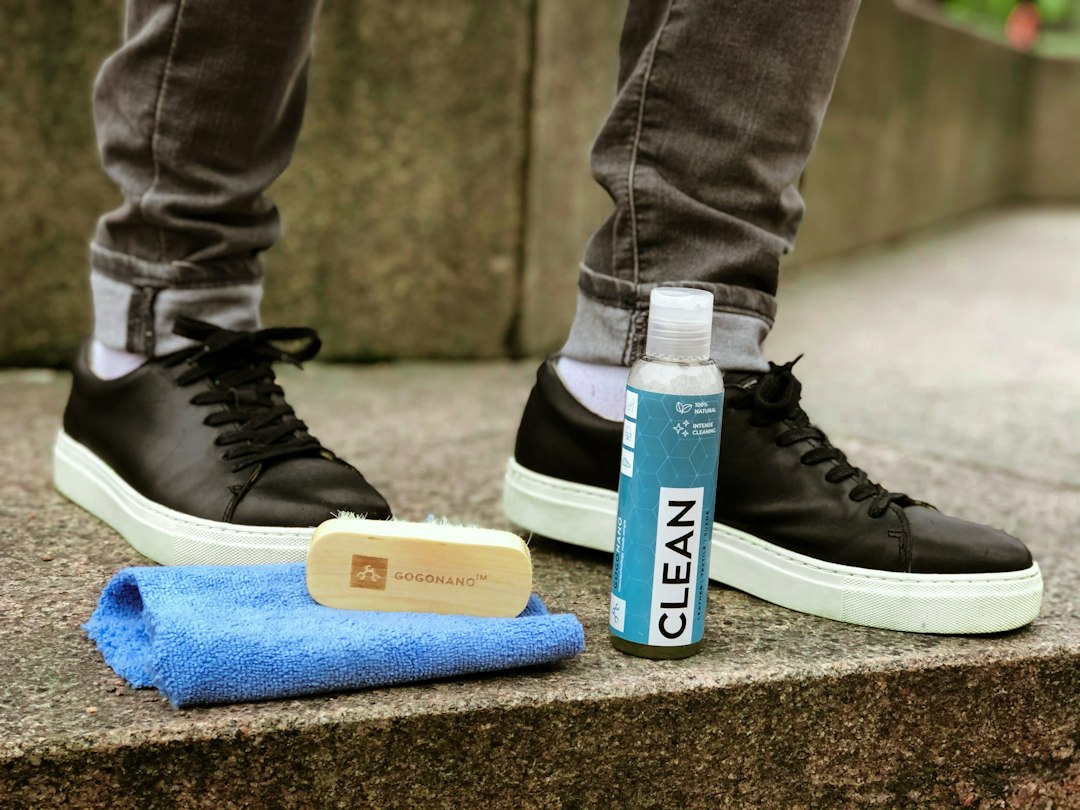
Clean shoes regularly. After dusty days, knock soles together outside to shed grit. Wipe uppers with a damp cloth. For leather, use a small dab of appropriate conditioner to maintain a supple feel and reduce scuffs’ visibility. For knit or mesh, hand rinse gently and air-dry away from direct heat sources. Heat can warp midsoles and cause adhesives to weaken.
Weather and climate strategies
Weather can change quickly on the road. Consider whether you need water resistance, full waterproofing, or simply fast-drying materials. Water-resistant treatments on mesh or leather help with light showers and splashes. Fully waterproof membranes keep rain out longer but can reduce airflow in hot climates. If your trip covers a wide climate range, one water-resistant shoe plus a breathable secondary pair offers flexibility without bulk.
In hot weather, prioritize airflow. Knit or perforated mesh uppers combined with moisture-managing socks keep feet more comfortable during lines and long museum walks. In colder shoulder seasons, pair your travel sneakers with slightly thicker socks and consider an insole with a thin thermal layer. Avoid cotton socks in both conditions; they trap moisture and can lead to discomfort.
Drying strategy matters. After a downpour, remove insoles and air the shoes near a fan. Do not place shoes over heaters; slow, cool airflow preserves materials better. If you expect repeated rain, pack a light, foldable pair with quick-dry uppers for backup hikes or errands, letting your primary pair rest.
Packing strategies, airport readiness, and on-trip swaps
Plan space for shoes up front. Use a dedicated shoe bag or gallon freezer bag to keep outsoles off clothing. Position shoes near the suitcase edge for easy access at checkpoints. If you wear your bulkier pair on the plane, loosen the laces slightly for swelling and slip comfort; retie once you land. Slip-ons speed security lines, but ensure they do not compromise walking security. If you swap insoles, keep a spare insole set in a small zip bag; it weighs almost nothing and restores comfort if your main insoles get saturated.
Compression packing cubes can flatten shoes without damage if the midsole is resilient. Protect structured heels by placing socks inside them. For sandals, clasp straps to prevent tangles and wrap them to avoid Velcro snagging clothes. Consider matching shoe colors to your belts or bag hardware for an intentional look. A cohesive palette makes two pairs feel like a wardrobe rather than mismatched extras.
Leave room for souvenirs or replacements. Many travelers find a classic city sneaker almost anywhere, but relying on an unknown replacement can add stress. A well-chosen pair from home removes that risk. If you need inspiration, explore the Shoes category on your favorite retailer’s site to see what aligns to your style and trip. For example, browse options at smartlifestyleapparel.com to compare looks and materials before you buy.
Maintenance and longevity: getting more miles per pair
Two habits keep travel shoes feeling good longer: clean them regularly and store them correctly. Dirt acts like sandpaper. Brush outsoles and wipe uppers at the end of a day, especially after dusty paths. If your shoes got wet, let them dry completely with insoles out before sealing them in a bag. When you return home, inspect midsoles for compression creases and outsoles for smooth spots. If grip feels compromised, reserve that pair for indoor days and select a fresh pair for your next trip.
Store shoes in a cool, dry place away from direct sunlight. Stuffing with plain paper maintains shape. If odor becomes noticeable, remove insoles to air out, wash the insoles gently, and sprinkle a pinch of baking soda inside the shoe for a few hours before tapping it out. Replace laces or insoles as needed; small changes can refresh comfort without buying a new pair.
Consider end-of-life options. Durable shoes that no longer suit your trips may prove perfect for a neighbor or community closet. Some brands and shops accept worn pairs for recycling programs. Extending useful life and channeling pairs to new users is good stewardship and makes room in your closet for gear that truly supports your next itinerary.
Scenario-based shortlists to spark ideas
Here are starting points for common trips, along with wardrobe notes to keep packing lean and coordinated:
- City long weekend: One breathable lifestyle sneaker in a neutral color and one dressier slip-on. Pair with a capsule wardrobe: one dark denim, one chino, three tops, light jacket. One belt that matches your shoe tone ties the look together.
- Two-week Europe mix: One hybrid trail-to-town shoe for cobbles and parks; one light, water-resistant sneaker. Add a compact sandal if the forecast favors heat. Build outfits around navy, gray, and earthy accents so both pairs blend seamlessly.
- Tropical getaway: One airy knit sneaker and one supportive sport sandal with soft straps. Pack quick-dry clothing and lightweight socks; prioritize airflow over formality. A lightweight button-up elevates a sneaker for dinners without extra shoes.
- Rain-prone trip: One water-resistant leather or coated textile sneaker and one quick-dry backup pair. Include a small microfiber towel and spare socks so you can swap when weather shifts.
- Business plus sightseeing: One polished leather or leather-trim sneaker that handles meetings, one comfort-first sneaker for evening walks. Keep colors classic—black or deep brown—so they read intentional with dress trousers and blazer.
Adapt these templates to your tastes and itinerary. The key is coverage without excess. When two pairs cover ninety percent of your trip days, you have likely chosen wisely. If you need a third pair for a specific climate or activity, make sure it does something the others do not, such as beach readiness or rainy-day resilience.
Quick fit checklist you can screenshot
Run through this list before you commit to a pair:
- Wear your travel socks during the try-on
- Check a thumbnail of space in front of the toes
- Confirm midfoot feels supported but not squeezed
- Walk a ramp and ensure toes do not bump on descents
- Assess heel hold with lock lacing if needed
- Press-test the midsole for lively rebound
- Twist-test for modest torsional resistance
- Verify outsole grip on smooth surfaces
- Try both your usual size and a half-size up
- Bring your insoles if you use them and retest fit
Combine this checklist with your packing plan, and you will carry less, walk more, and enjoy your destinations with comfortable, confident steps. The right pair feels nearly invisible underfoot—supporting your day quietly so your focus stays on the art, scenery, and company you traveled to enjoy.