The clearest way to make sense of 2026 clothing trends is to translate runway buzz into clothes you’ll actually wear, care for, and enjoy. This guide turns big ideas into practical choices you can use today, from color palettes and fabrics to outfit formulas and maintenance habits that help your wardrobe work harder.
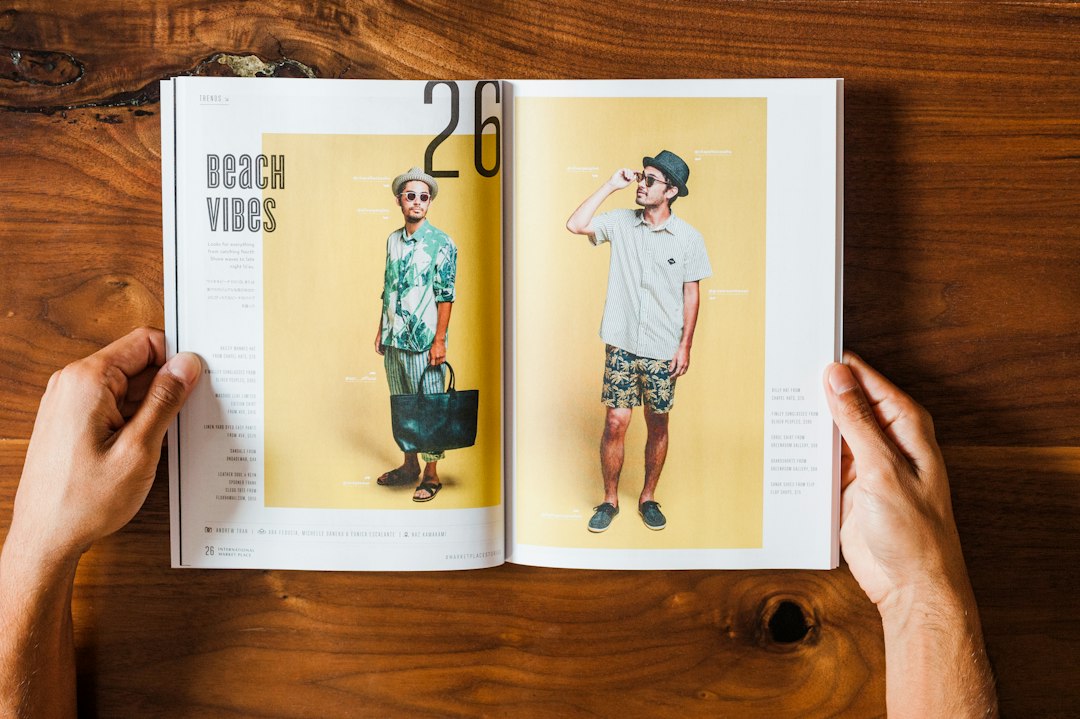
How 2026 clothing trends are shaping real wardrobes
Trends in 2026 lean toward long-lived style with a modern twist: familiar shapes, durable fabrics, and small upgrades that freshen what you already own. Instead of forcing a full reset, the emphasis is on building a flexible core and adding a few pieces that carry the year’s mood. The result is a wardrobe that feels current without becoming cluttered.
Three broad themes guide the year. First, clothes are expected to do more. Technical knits that move and breathe, weather-friendly finishes, and pockets you’ll actually use show up everywhere, from office trousers to city parkas. Second, the mood is refined but relaxed. You’ll see easy tailoring, soft shoulders, and straight-through silhouettes that flatter without squeezing. Third, sustainability continues to mature. It’s less about slogans and more about traceable fibers, durability, and care routines that extend the life of garments.
For most people, the smartest move is turning trends into simple decisions: two or three new colors that mix with what you own, one or two key fabrics, and a few outfit formulas you can repeat all season. The rest of this guide breaks each choice into steps, so you can shop and dress with a clear plan rather than guesswork.
The color story: palettes you’ll actually wear
Color trends matter only if they cooperate with your skin tone, lifestyle, and existing closet. The most wearable palettes of 2026 fall into three families, which you can combine across seasons:
- Soft neutrals with depth: stone, mushroom, ink navy, and warm charcoal. These make excellent suits, outerwear, and everyday trousers—easy to pair with everything, forgiving in office light, and simple to care for.
- Vegetal greens and earth notes: sage, artichoke, olive-brown, clay, and terracotta. They read modern without shouting and pair beautifully with denim, black, and cream.
- Optimistic brights used as accents: poppy red, digital blue, citron, and orchid. A knit polo, scarf, crossbody bag, or sneaker accent in one of these shades can refresh an outfit built from neutrals.
To make color useful, choose a personal palette. Pick two anchors (often a dark and a light neutral), one supporting tone (green or earth), and one accent bright. Commit to buying within that palette for the season. This reduces returns, makes mixing easy, and limits impulse purchases that don’t earn their keep.
Testing color is simple: pair new shades with your most-worn jeans or tailored trousers. If a color cooperates with your base bottoms and shoes, it’s viable. If it looks off in daylight or under indoor LEDs, skip it without regret. This small test prevents closet orphans and keeps outfits feeling intentional.
Key fabrics and finishes: from technical knits to plant-based leather
Fabrics carry much of the progress in 2026 clothing trends. The most helpful upgrades are the ones you can feel all day: comfort, breathability, drape, and resilience. Look for these materials and blends:
- Technical knits for everyday wear: double-knit viscose blends, warp knits with mechanical stretch, and bonded jersey that holds shape. They travel well, resist creasing, and give structure without stiffness.
- Responsible cottons: long-staple cottons with compact yarns for smoother hand-feel and less pilling. Check for organic or verified better-cotton programs, and prioritize tightly woven twills and poplins for durability.
- Linen evolutions: washed and enzyme-finished linens that feel soft from day one. Blends with cotton or Tencel reduce wrinkles and add fluid drape.
- Regenerated cellulosics: lyocell and modal offer a cool hand and elegant drape in shirts, dresses, and unstructured trousers. They breathe well and move with you.
- Plant-based or recycled leather options: look for traceable sources and a realistic hand-feel. These work best as accessories and trim, where wear patterns are gentler.
Finishes matter as much as fibers. Matte surfaces read modern and photograph well; slight luster can elevate knit sets and evening separates without tipping into high gloss. In outerwear and commuter trousers, water-repellent and stain-resist finishes are common and helpful; verify that the hand-feel isn’t waxy or rigid. For denim, rinsed or raw styles with minimal stretch remain relevant, while comfort stretch appears in straight and relaxed fits that hold their line.
To evaluate a fabric quickly, try the handful test in-store: crush a portion for a few seconds, release, and watch recovery. Fabrics that spring back cleanly will look sharper through the day. If you shop online, read composition and GSM (gram weight) when listed: midweight knits around 220–300 GSM often balance structure and comfort well for tees and polos in 2026.
Silhouettes and proportions: relaxed but refined
Proportion is where style shifts are most visible in 2026. The mood is balanced ease. Think straight or gently tapered trousers with a modest break, boxy chore jackets that skim the body, and blazers with relaxed chests and soft shoulders. Dresses and skirts lean A-line or column rather than bodycon. Tops sit slightly away from the body instead of clinging.
Lengths stabilize in practical territory. Coats often hit mid-thigh to knee, long enough to layer but short enough for movement. Shirt hems are designed to be worn untucked or half-tucked. Sleeves are cut to allow rolling without bulk. These details help clothes cooperate with daily life—walking, commuting, working, and socializing—without feeling precious.
To get proportion right, anchor each outfit with one structured piece. Pair relaxed trousers with a cleaner top like a knit polo or smart button-down. Combine a slouchy cardigan with sharper denim or tailored shorts. This structured-versus-soft balance makes outfits look intentional while remaining comfortable.
Outfit formulas you can copy now
Ready-to-use outfit formulas turn trends into repeatable routines. Use these as templates and swap colors and fabrics to fit your palette:
- Work-smart tailoring: soft-shoulder blazer + straight trouser + knit polo + leather (or plant-based) loafer. Swap the blazer for a chore jacket on casual days.
- City layers: chore jacket + crisp tee + pleated chino + lightweight trainer. When weather flips, add a packable parka over the top.
- Modern athleisure: technical knit zip or track jacket + tapered tech jogger + minimal sneaker. Add a bright accent sock or cap from your palette.
- Evening ease: column dress or long slip skirt + cropped cardigan or boxy blazer + low block heel or sleek flat. Choose a matte fabric with subtle luster for depth.
- Off-duty denim: relaxed straight jean + ribbed tank + overshirt or utility shirt + ankle boot or court sneaker. Finish with a medium-width belt to define the line.
The best formula is the one you’ll repeat without thinking. Save photos of your favorite combos, then build a small rotation around them. If a piece doesn’t slot into at least two formulas, reconsider the purchase. This single rule keeps your closet nimble and wearable.
Smart shopping checklist: buy, skip, and upgrade
Trends can tempt anyone into dead-end buys. A simple checklist prevents regret and keeps your budget focused where it creates the most value:
- Buy: straight or tapered trousers with drape; knit polos; crisp oversized shirts; chore jackets; mid-length coats; column dresses; relaxed straight jeans; well-shaped rib tanks; minimal sneakers; loafers; a compact crossbody.
- Skip: ultra-fragile fabrics you’ll baby; micro-trends that don’t suit your lifestyle; complicated closures that fight you; pieces that only work with one shoe or one weather window.
- Upgrade: tees in higher GSM with better neck binding; jeans with hardware that’s easy to repair; blazers with real pockets and seam allowances for tailoring; bags with replaceable straps; outerwear with reliable zippers and snaps.
Before checkout, run the “three proof” test: outfit proof (works with three items you own), occasion proof (wearable three ways—work, weekend, travel), and care proof (you’re comfortable washing or airing it as needed). If a piece passes all three, it’s a strong candidate. If not, pause and revisit later.
When you want curated picks that match these criteria, explore collections from your trusted sources. For inspiration and updates, browse Smart Lifestyle Apparel and note which silhouettes and fabrics show up again and again—those are usually the safe bets.
Work, weekend, and workout: capsule plans for every life zone
Most closets feel disorganized because they mix contexts without a plan. Create three small capsules that share colors and some pieces. This approach maximizes cross-overs while keeping each zone ready when you are:
Work capsule (8–10 pieces): one soft blazer, two straight trousers (one dark, one light), two knit polos or fine-gauge sweaters, one crisp shirt, one chore jacket, one mid-length coat, and two pairs of shoes (loafer and minimal sneaker). Everything should mix end-to-end.
Weekend capsule (8–10 pieces): relaxed straight jeans, pleated chinos, ribbed tank, graphic or textured tee, overshirt, utility shirt, column skirt or casual dress, compact crossbody, court sneakers, and ankle boots. The textures and accessories carry the weekend mood without breaking your palette.
Workout/active capsule (6–8 pieces): tapered tech jogger, lined running short or skort, supportive top or tank, technical zip or track jacket, breathable socks, and trainers. Choose colors that still play well with your main palette so you can layer the jacket or tee with casual outfits on off days.
Because these capsules share core tones, you can blend them freely—track jacket over jeans, chore jacket over tailored trousers, slip skirt with a fine-gauge crewneck. The overlap is the point: fewer pieces, more combinations, smoother mornings.
Care and repair: make new pieces last longer
Buying better is only half of longevity. Care habits do the rest. A steady, light-touch routine keeps fabrics looking new and reduces replacement pressure.
- Wash less, air more: most knits and shirts benefit from airing out between wears. Over-washing damages fibers and fades color faster.
- Use mesh bags and gentle cycles: for finer knits and cellulosic blends, a cool wash and a mesh bag reduce abrasion. Close zippers and velcro before washing to protect surfaces.
- Dry with intention: reshape knits on a towel, use hangers for shirts and trousers, and avoid high heat. A few minutes on low followed by air-drying can help relax wrinkles without harsh treatment.
- Spot-clean early: keep a small kit—stain bar, soft brush, lint shaver, and fabric comb. Treat stains as soon as you can and de-pill gently in one direction.
- Rotate and rest: shoes, knits, and even denim last longer when they rest between wears. Rotating reduces stress points and helps garments recover their shape.
Repairs are routine, not emergencies. Re-stitch a button, tighten a pocket seam, and replace heel caps or insoles before issues spread. If you lack tools or time, a neighborhood tailor or cobbler can perform small fixes quickly and at reasonable cost. These habits keep trend-right pieces in your lineup well beyond a single season.
Fit, tailoring, and accessibility: looking good without fuss
Fit defines whether a trend looks intentional or accidental. In 2026, the sweet spot is room to move without losing your line. Use these guidelines as starting points and adjust for your body and preference:
- Shoulders: seams should land near the acromion (the edge of your shoulder). A soft-shoulder blazer can sit slightly off the bone and still look composed.
- Chest and waist: aim for a gentle A shape from shoulder to hem in overshirts and chore jackets; a subtler V or straight line in blazers. Tops should skim rather than cling.
- Trouser rise and seat: mid to high rises balance the relaxed top silhouette. The seat should be smooth when you stand and comfortable when you sit, with no severe pulling across the back.
- Length: sleeves should allow rolling; hems should graze the top of your shoes or break lightly. Skirts and dresses in column shapes look modern from mid-calf to ankle, depending on height and footwear.
Don’t overlook small tailoring. Shortening sleeves, refining a hem, and taking in or letting out a waist make off-the-rack garments feel custom. Many brands leave seam allowances that permit these moves. Ask your tailor to preserve width and drape so the silhouette stays current.
Accessibility matters, too. Seek closures you can manage easily, pockets you can access one-handed, and fabrics that don’t snag on mobility devices. These design choices are increasingly common and make daily wear simpler and more comfortable.
Eco and ethics: what sustainable really means in 2026
Sustainability in 2026 focuses less on buzzwords and more on measurable practices. The simplest framework for shoppers combines fiber choice, durability, and care. Fiber choice sets your starting point: organic or better-cotton programs, linen, and traceable regenerated cellulosics are widely available. Durability keeps garments in circulation: tighter weaves, compact yarns, and reinforced stress points extend useful life. Care routines—washing less, repairing early, and rotating—support the rest.
Labels and certifications help, but the most reliable test is real-world use. If a piece survives repeated wears, multiple care cycles, and simple repairs, it contributes to a more responsible wardrobe. When comparing two similar products, choose the one you can maintain easily and combine with more outfits. That higher “outfit utility” often beats marginal differences in fiber claims.
Resale and rental ecosystems continue to grow in 2026. If a piece no longer fits your style or needs, a viable second-life channel increases its value. Focus on timeless shapes and materials that carry resale demand—straight denim, chore jackets, classic coats, and leather or plant-based leather accessories in core colors.
Budget planning and cost-per-wear math
A trend is valuable only if it earns its keep. Cost-per-wear analysis keeps your budget aligned with reality. Estimate how many times you’ll wear a piece in a year, then divide the price by that number. Compare items using this simple math:
- Example 1: A $240 knit polo worn once a week for nine months (about 36 wears) costs roughly $6.67 per wear. A crisp hand and stable shape can make this worthwhile.
- Example 2: A $150 statement top worn four times in a year costs $37.50 per wear. That may be acceptable for a special piece, but it shouldn’t dominate your spending.
- Example 3: A $280 straight trouser worn twice a week for six months and once a week for three more (about 39 wears) costs roughly $7.18 per wear; if it tailors easily and mixes broadly, the value is strong.
Use tiers to guide spending. Tier 1 (daily workhorses) can justify higher budgets: straight trousers, blazers, coats, denim, and shoes you rotate often. Tier 2 (frequent accents) earns mid-range budgets: knit polos, overshirts, bags, and skirts or dresses you wear monthly. Tier 3 (occasional pieces) sits at the low end unless you love a specific item for personal reasons.
Plan purchases by quarter, not by impulse. List your top three needs each season—often a trouser, a knit, and a layer—and fund them first. Fill small gaps later if budget allows. This sequence keeps your closet balanced and prevents splurges that leave basics underfunded.
How 2026 clothing trends translate across ages, sizes, and climates
Useful trends respect variety. The relaxed-but-refined silhouette adapts across ages and sizes with minor tweaks. If you prefer more structure, pick firmer fabrics and keep one tailored anchor in every outfit. If you like flow, choose fabrics with drape and let one piece stay clean and sharp to ground the look.
Climate matters as much as style. In hot-humid regions, prioritize breathable cellulosics, open weaves, and light colors. Build a two-layer system: a base that wicks and a light outer that blocks sun or light rain. In cool climates, rely on mid-layers—fine-gauge knits, gilets, and liners—that adapt under coats and chore jackets. Wherever you live, a compact foldable rain layer earns its place; it slides over tailoring or denim without overwhelming the shape.
Footwear and accessories finish the translation. Minimal sneakers, loafers, ankle boots, and low heels cover most needs. Belts, slim scarves, caps, and compact crossbodies add personality without breaking your palette. These finishing choices are simple levers to tune formality and mood.
Style archetypes and mood boards: personalize without starting over
Trends are a starting point, not a destination. Pick a loose archetype and build a simple mood board around it so your outfits feel like you, not a copy of a lookbook. Three flexible archetypes work well in 2026:
- Minimal utility: chore jackets, straight denim, ribbed tanks, compact crossbodies, and matte finishes. Keep lines clean and let textures speak.
- Soft tailoring: knit polos, relaxed blazers, drapey trousers, column skirts, and loafers. Aim for calm color stories and one accent bright.
- Sport-luxe: technical zips, tapered joggers, structured tees, trainers, and smart track jackets. Contrast matte and slight luster for depth.
Create a four-square mood board on your phone: top left for silhouettes, top right for colors, bottom left for fabrics, bottom right for details (pockets, collars, hardware). Photograph your wardrobe favorites and add them. When you shop, compare a potential buy to the board. If it doesn’t fit at least two squares, it may not serve your plan.
One small creative habit amplifies personalization: seasonal swaps. Rotate a few accents—bright socks, a colored knit, a patterned scarf—while keeping core pieces steady. These micro-changes keep outfits fresh without forcing major purchases or risking mismatched colors.
Putting it all together: a repeatable playbook
Here is a simple sequence you can reuse whenever you evaluate a trend or plan a season:
- Define your palette: two anchors, one support tone, one accent. Stick to it for the season.
- Choose two key fabrics: a technical knit for movement and a refined woven for structure.
- Lock three outfit formulas: work-smart tailoring, city layers, and a weekend uniform.
- Build three mini-capsules: work, weekend, workout; share colors and combine across zones.
- Adopt care habits: air, gentle wash, smart dry, early repair, rotate and rest.
- Plan spend tiers and track cost-per-wear: fund workhorses first, accents second, occasionals last.
- Tailor for fit and accessibility: small adjustments, easy closures, useful pockets.
- Personalize: pick an archetype, keep a mood board, and swap small accents each season.
When you follow a playbook like this, trends stop feeling like a moving target. Instead, they become a menu of options you can adopt on your terms. The year’s colors and fabrics give you ways to refresh; proportions and outfit formulas make everyday dressing simpler; care and tailoring keep your favorites in circulation. That’s how “what’s new” supports what lasts.
How 2026 clothing trends are shaping real wardrobes: a quick recap
To recap, 2026 rewards considered choices. Soft structure over stiffness, technical comfort over gimmicks, and palettes that harmonize with what you own. When you select colors that mix, fabrics that move, and silhouettes that honor your life, you build a closet that works in any week. Add good care, small tailoring, and clear spending tiers, and your style stays current without chasing every release.
If you want ongoing ideas grounded in these principles, keep an eye on reliable retailers and editors who show complete outfits, not just single items. Watch how pieces repeat across looks—that’s the tell for durability. And when you’re ready to add one or two updates, revisit your palette, consult your formulas, and buy what strengthens the system you already have.