Here’s the short version on lunar new year outfits: wear clean or new pieces in red or gold and skip head-to-toe black or white. Choose either a traditional piece like a qipao/cheongsam, tang suit, hanfu, áo dài, or hanbok, or go modern with a red knit, neutral trousers, and gold accents. If you’re not from the culture, lean into subtle nods—red, floral prints, gold jewelry—rather than full traditional dress unless you’re invited or it clearly fits the occasion.
Keep it comfortable, modest, and celebration-ready. This year, Day 1 falls on February 17, 2026, so aim to wear a fresh outfit that day. If you’re ordering online in the U.S., standard shipping often needs 7–10 business days; plan to order by late January for made-to-order pieces and by early February for in-stock items with expedited shipping. Avoid scuffed shoes, torn hems, and costumes that caricature the culture—polished, warm, and thoughtful works best.
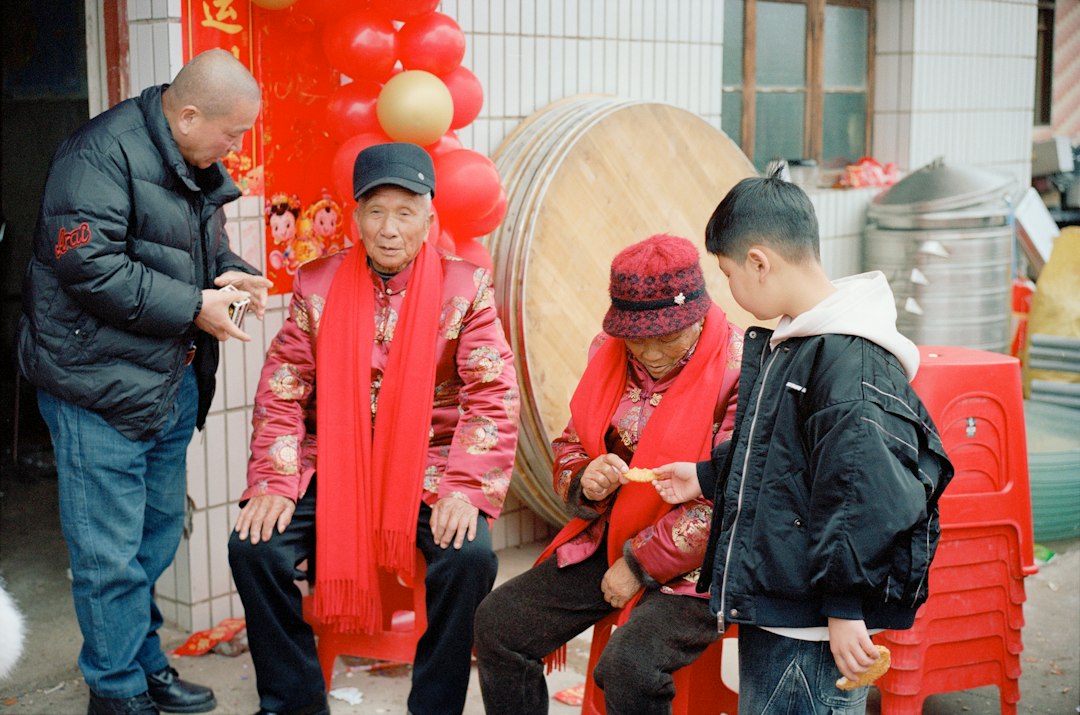
Quick answer: what to wear now
Two formulas work for most events. Traditional: select a well-fitted qipao/cheongsam or tang jacket with tailored pants, or an áo dài/hanbok if that’s your family’s tradition. Finish with low heels, embroidered flats, or loafers, plus simple gold-tone jewelry. Modern: a red sweater or blouse + cream, camel, or charcoal trousers/long skirt + neat shoes (loafers, block-heel pumps, or clean sneakers for casual events) + one gold accent like hoop earrings or a belt buckle. Swap the knit for a mandarin-collar shirt or a floral dress if that feels more you.
Budget and timing: a smart outfit can come together at any price. Expect $40–$120 for a modern set (red knit + trousers + earrings), $60–$200 for an off-the-rack qipao/tang jacket, and $120–$350+ for áo dài or hanbok-style sets (depending on fabric and whether it’s custom). In the U.S., place made-to-order/traditional garments 3–4 weeks out (by mid-January for 2026), and in-stock items 10–14 days out (by Feb 3–5) for standard shipping. Expedited shipping is usually reliable up to a week before, but always check seller processing times. Common mistakes: all-black or all-white ensembles, visibly worn shoes, overly tight fits that restrict eating and greeting, and novelty costumes that reduce cultural dress to props.
Traditional and modern options explained
Chinese styles. Qipao/cheongsam: this is a fitted dress that can be knee- or ankle-length, often in silk, brocade, or jacquard. A modern qipao might include a back slit and a bit of stretch; classic versions are structured, so tailoring matters. It suits semi-formal dinners and photo moments. Aim for red, gold, deep jade, or florals like peony or plum blossom. Tang suit: a mandarin-collar jacket, often with knotted buttons, worn over a shirt and trousers. It’s versatile—works for family meals, community events, and casual office parties. Choose mid-weight fabrics (cotton blends, light wool) if you’ll be outdoors. Hanfu: a flowing silhouette inspired by historical Chinese dress. If you already wear hanfu, it can be beautiful for cultural events and photos; for general gatherings, a simplified set in red/cream with subtle embroidery feels approachable and elegant.
Vietnamese Tết: áo dài basics. Áo dài is a long, side-slit tunic worn over pants; it’s graceful, modest, and ideal for family dinners or temple visits. Modern versions include breathable fabrics and delicate florals. Ensure the shoulder and bust fit lightly; you want easy movement for greeting elders and reaching for dishes. If you’re a guest without Vietnamese heritage, consider a tasteful red dress with gold earrings and embroidered flats as a respectful nod unless a host suggests áo dài.
Korean Seollal: hanbok silhouettes. Hanbok features a short jacket (jeogori) and a full skirt (chima) or roomy pants (baji), with colors that symbolize joy and harmony. It’s lovely for family photos, formal gatherings, and ancestral rites. If you wear hanbok, choose soft shoes and avoid bulky outerwear that crushes the shape—layer thermal leggings and a thin heattech top under the set instead. For non-heritage guests at Korean celebrations, a red wrap dress or a cream blouse with a red skirt and gold hairpin is a respectful alternative unless invited to wear hanbok.
Modern casual alternatives that still feel festive. A red ribbed knit with cream wide-leg trousers and loafers is ready for a lunch or office event. A mandarin-collar shirt in red or deep jade with dark jeans and Chelsea boots works for men. A red floral midi dress with a cardigan and simple gold hoop earrings feels polished without reading as costume. Zodiac tees under blazers are fine for casual parties—keep the rest of the outfit tidy and the shoes clean.
Best lunar new year outfits by occasion and climate
Family reunion dinner. The meal runs long and includes greetings, photos, and lots of sitting and standing. Choose breathable fabrics with a touch of ease: a qipao with stretch, a tang jacket with soft-shoulder tailoring, or a red knit + pleated skirt. Shoes: low heels, embroidered flats, or loafers—no scuffs.
Temple visit or cultural center. Opt for modest cuts and subdued shine. A long-sleeve blouse + midi skirt, tang jacket + trousers, or áo dài are all appropriate. Keep shoulders, chest, and hemlines respectful. Carry a small red envelope-ready bag.
Office or school celebration. Lean modern: a red sweater vest over a white or cream shirt with black trousers; a red blazer with jeans and loafers; or a floral dress under a camel coat. Keep prints and accessories cheerful but not loud—gold studs or a slim bangle are enough.
Evening party. Dial up texture, not novelty. Velvet in deep red, satin blouses, brocade skirts, or metallic-gold shoes can elevate the look without tipping into costume territory. A modern qipao with block heels is a hits-the-mark option.
Cold-weather layering (Northeast/Midwest). Use a base layer (thermal top, tights), mid layer (knit), and a top layer (wool coat). Coats that work: camel, cream, black with red scarf, or deep green. Avoid puffer colors that dominate the look; let your festive red show through a scarf or knit collar. Gloves in red or gold are an easy upgrade.
Warm-weather choices (Southwest/SoCal/Hawaii). Pick breathable silks, cottons, and linen blends. Short-sleeve mandarin-collar shirts, airy áo dài, or sleeveless red dresses with light shawls keep you cool. Sandals are fine for casual events; select leather straps and neat pedicures so the overall look stays polished.
Women, men, and kids: quick picks
Women. Three easy outfits: 1) Modern qipao (knee-length) + block-heel pumps + gold hoop earrings; 2) Red silk blouse + cream midi skirt + kitten heels + peony-print scarf; 3) Tailored red blazer + black knit top + straight-leg trousers + gold pendant. Hair ideas: a sleek low bun with a gold hairpin, soft waves with a red ribbon, or a braided crown for hanbok/áo dài days. Keep bags small: a clutch or compact crossbody in cream, red, or metallic gold.
Men. Three easy outfits: 1) Tang jacket (red or navy with red piping) + charcoal trousers + loafers; 2) Red merino crewneck + grey pleated trousers + clean white sneakers for casual events; 3) Mandarin-collar shirt + dark denim + Chelsea boots. Belts and shoes should be clean and coordinated—if in doubt, medium-brown leather works across most combinations. For more on selecting quality shoes and fit, this quick guide helps: How to buy shoes: a quick, practical guide.
Kids and toddlers. Comfort comes first so they can greet relatives and enjoy lion dances without fuss. Soft cotton tang sets, stretchy qipao-style dresses, or red tees with zodiac prints over leggings are all winners. Look for easy closures (snaps, zips), covered seams, and machine-washable fabrics. If you’re dressing little ones for cold weather, layer thermals under festive pieces—our Winter Clothing Guide for Toddlers and Babies has practical warmth tips that still apply to party days. Family coordination can be subtle: share a common red tone or motif (peony, plum blossom) rather than matching head-to-toe.
Colors, motifs, and taboos—why they matter
Colors. Red symbolizes joy, luck, and vitality; gold suggests prosperity and celebration. Supporting shades that harmonize with red and gold include cream, peach, jade, soft pink, and deep green. Wearing clean or new pieces signals a fresh start—Day 1 of the new year (Feb 17, 2026) is the most meaningful day to debut something fresh, even if it’s just a tee, scarf, or socks.
Motifs. Classic auspicious motifs include peony (prosperity and honor), plum blossom (resilience and renewal), koi (abundance), and dragon (strength and good fortune). Use them tastefully: a printed scarf, a small embroidered patch, a pendant, or a sleeve cuff detail. If you’re unsure, choose understated florals rather than large dragons or slogans.
What to avoid. Skip all-black or all-white outfits, which can read somber in many communities. Avoid damaged clothing, ripped jeans, or obviously worn-out sneakers. Some families avoid buying new shoes right before or on Day 1, since in some regions and dialects “shoes” can sound like words associated with sighing or difficulty. Customs vary—when in doubt, ask your host what feels right in their household.
Smart shopping: budget, fit, and timing
Price ranges (typical U.S. online or local boutiques). Modern looks: $40–$120 for a red knit/blouse + trousers/skirt + simple jewelry. Qipao/cheongsam or tang sets: $60–$200 for ready-to-wear, $180–$400+ for silk or custom. Áo dài and hanbok-inspired sets: $120–$350+ depending on fabric and workmanship. Accessories: $10–$30 for gold-tone earrings, $20–$60 for a clutch.
U.S. shopping timeline for Feb 17, 2026. Made-to-order or tailored items: order by mid-January and allow 1–2 weeks for alterations. Ready-to-wear online: target a 10–14 business-day cushion—order by Feb 3–5 for standard shipping. Expedited shipping can work up to a week prior, but confirm the seller’s processing times and holiday closures. Local boutiques may offer last-minute options—call ahead for stock and tailoring capacity.
Fit tips. Convert sizes carefully when buying from international sellers; check size charts in inches and compare to your actual body measurements, not your usual label. Structured garments (qipao, tang jackets) look best when the shoulder seam sits correctly and the waist skims rather than squeezes. Plan for simple alterations: hemming, taking in at the side seams, and moving closures are fast and affordable. Stretch vs. structure: if you’ll be greeting elders and doing lots of photos, a fabric with a hint of stretch eases movement.
Where to shop. Online marketplaces, cultural boutiques, rentals, and thrift/vintage can all work. Rentals are great for formal qipao or hanbok when you want premium fabrics without a large purchase. Thrifting a red blazer or brocade skirt is budget-friendly; tailor the waist or hem for a custom feel. For broader seasonal-buying strategy and saving on cold-weather layers that sit under festive pieces, see Best time to buy winter clothes: sale calendar and tips.
Respectful styling and sustainability
Appreciation vs. appropriation. Full traditional dress typically suits people who share that heritage or guests who are clearly invited to wear it by the host. If you don’t have that background, respectful alternatives include red and gold pieces, florals, mandarin collars, or subtle embroidery. Avoid mixing sacred, ceremonial, or ancestral elements out of context. When in doubt, ask the host—being considerate is always in style.
Subtle styling for non-heritage guests. Red top + neutral bottom + gold jewelry. Floral dress + cardigan + embroidered flats. Cream blouse + red skirt + gold hairpin. Keep prints harmonious, not cartoonish. A small red envelope–inspired clutch is a smart nod without copying traditional garments.
Sustainability and care. Rewear by building a “festive capsule”: a red knit, a gold accessory set, and a dressy skirt or trouser you can pair in different ways across celebrations. Renting or borrowing special pieces reduces waste and budget load. Read fabric labels: silk and brocade often need delicate or dry-care routines; cotton, viscose, and many blends are easier to wash. Store embroidered items flat, and keep metal trims in soft pouches. Good care means your pieces look fresh for birthdays, weddings, and Mid-Autumn, too.
Final checklist and outfit planner
Use this pre-event checklist so your look is festive, comfortable, and respectful.
- Color palette chosen (red/gold anchor + supportive neutrals)
- Outfit is clean or new (especially for Day 1: Feb 17, 2026)
- Fit confirmed (simple tailoring done; try-on complete)
- Weather-appropriate layers planned (thermal base, coat or shawl)
- Shoes polished and free of scuffs; soles not worn down
- Accessories set: gold jewelry, subtle auspicious motifs
- Respectful styling if non-heritage (subtle nods, no caricature)
- Order-by dates met based on shipping/processing windows
- Backup outfit prepared in case of spills or temperature shifts
Compare your options at a glance:
| Outfit type | Cultural origin | Best occasions | Formality level | Warmth (cool/mild/cold) | Stretch/mobility | Price range (USD) | Care (easy/dry clean) | Styling notes | Taboos/risks |
|---|---|---|---|---|---|---|---|---|---|
| Qipao/Cheongsam | Chinese | Family dinner, formal photos | Semi-formal to formal | Mild to cold with layers | Low–medium (varies by fabric) | 60–400+ | Often dry care | Tailor for shoulder/waist; add low heels | Tight fits can restrict; avoid super-short hems |
| Tang suit (jacket + trousers) | Chinese | Dinner, office party, community event | Smart-casual to semi-formal | Mild to cold with knit underlayer | Medium | 60–250 | Easy to moderate | Pick red, jade, or navy with red piping | Shiny fabrics + loud prints can look costume-like |
| Hanfu (simplified set) | Chinese | Cultural events, photos | Semi-formal | Cool to mild; add thermals | Medium | 120–350+ | Often delicate care | Subtle embroidery; avoid heavy outerwear that crushes shape | Elaborate styles may overwhelm small spaces |
| Áo dài | Vietnamese | Temple visit, family dinner | Semi-formal | Cool to mild; breathable | Medium | 120–350+ | Moderate; press lightly | Delicate florals; fit the shoulders lightly | Very tight fits reduce comfort for long meals |
| Hanbok | Korean | Family photos, formal gatherings | Formal | Cool to cold with base layers | Medium | 150–400+ | Often delicate care | Thermal base layers to preserve silhouette | Bulky coats flatten volume; carry a shawl |
| Red knit + tailored trousers | Modern | Office/school event, casual dinner | Smart-casual | Cool to cold with coat | High | 40–120 | Easy | Add gold earrings and clean loafers | All-black coat hides festivity; add red scarf |
| Red floral midi dress | Modern | Day party, lunch, warm climates | Smart-casual | Cool to warm (layer a cardigan) | High | 50–150 | Easy | Pair with nude or gold shoes | Too-sheer fabrics feel underdressed |
| Mandarin-collar shirt + dark denim | Modern with nod | Casual gatherings | Casual | Mild to cool | High | 40–120 | Easy | Choose red or deep jade; finish with boots | Distressed jeans undercut the occasion |
Traveling for the holiday? Quick packing list: one red top or dress, one neutral bottom, one gold accessory set, warm base layers, a compact steamer, double-sided fashion tape, a lint roller, and polished shoes. Build two mix-and-match looks so you can switch if weather or plans change.
Want more broad styling pointers you can adapt to festive dressing? See these practical notes on looking sharp at events: 4 Tips On How To Be The Most Stylish on any Event or Occasion. For color and fabric ideas that may pair well with your festive capsule later this year, explore Fall 2026 clothing trends: what to buy, how to style, and care.
Dress with respect, build in comfort, and let red or gold do the heavy lifting—your outfit will feel festive without saying a word.