Oversized Blazers became the piece I reach for when I want an outfit to feel easy but still pulled together. They change proportion fast. They give shape to jeans, soften a dress, and make simple basics look like a real outfit instead of a last-minute decision.
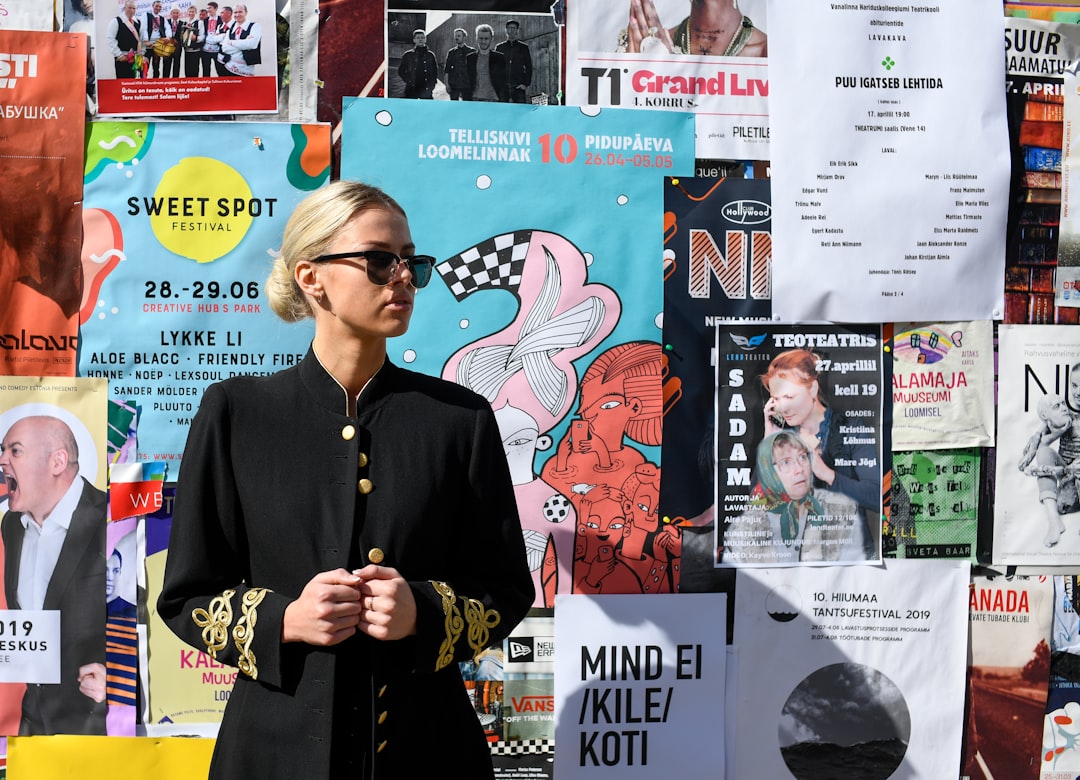
I like this trend because it does not ask for a full wardrobe reset. One good blazer can work with denim, tailored trousers, knit skirts, and even shorts when the weather shifts. The trick is not buying the biggest jacket in the shop and hoping for the best. The trick is choosing the right shoulder line, the right fabric weight, and the right balance around it.
That is what this guide covers. I want it to feel practical, not glossy. If you already own one blazer and keep wondering why it looks elegant on other people but awkward on you, the answer is usually in the proportions, not the price tag. Once I started paying attention to that, the whole category made more sense.
Why Oversized Blazers feel current right now
The reason Oversized Blazers keep coming back is simple. They solve a styling problem that most of us have. Everyday clothes can feel too casual, while classic tailoring can feel too strict. An oversized cut sits right in the middle. It gives structure, but it still has room around the body, so the look feels relaxed rather than formal.
I also think the appeal comes from contrast. A roomy blazer over a fitted tank, slim knit top, or straight jean creates visual tension in a good way. The outfit looks considered without looking overworked. That is why it shows up so often in fashion photos, office outfits, airport looks, and dinner plans. It has range.
There is another reason I keep seeing it work. The blazer does not depend on one exact trend cycle. You can wear it with loafers, sneakers, boots, or sandals and get a different mood each time. That makes it easier to keep in rotation. A lot of trend pieces are fun for one season and then disappear. A blazer with room in the body tends to stay useful longer because it adapts.
When I think about whether a piece feels current, I ask a few things.
- Does it make basics look sharper?
- Can I wear it more than one way in a week?
- Does it still feel good if I remove the styling extras?
- Does it work with the shoes I already own?
Oversized Blazers pass that test better than many trend items. That is why I would rather buy one strong version than three half-useful ones. A good blazer does not shout. It quietly improves everything around it.
How to choose the right shoulder line
The shoulder is the first thing I check. If the shoulder line is off, the whole blazer can look borrowed in the wrong way. A little structure helps. Too much structure can make the jacket feel rigid. Too little can make it collapse on the body and lose shape. I want the line to extend a bit past my natural shoulder, but not so far that it looks accidental.
For me, the best oversized fit still has intention. The shoulder should sit cleanly, the sleeve should fall in a straight line, and the blazer should hang from the body rather than cling to it. If the shoulder droops too hard, the jacket can start to look heavy. If the shoulder is too sharp, the outfit can feel less relaxed than it should.
A quick fitting check helps.
- Can I lift my arms without the blazer twisting badly?
- Do the shoulders look balanced from the front and side?
- Does the blazer create a clean line over a tee or knit?
- Does the lapel sit flat when the jacket is open?
I also pay attention to how the blazer looks when I move. A jacket can look excellent on the hanger and strange once you sit down or walk. If the back pulls badly or the front swings open in a clumsy way, I know I will not reach for it much. Oversized does not mean shapeless. It means there is breathing room around the body while the shape still feels clear.
If you are between sizes, I usually lean toward the version that gives me better shoulder structure, even if the body is slightly roomier than expected. The body can be tailored more easily than a collapsed shoulder can be fixed. That one choice makes a bigger difference than most people expect.
Fabric weight changes the whole outfit
Fabric is where many blazer purchases go wrong. The cut might look promising, but the material decides how the piece behaves in real life. A light fabric can drape nicely, but if it is too thin, the blazer may wrinkle fast and lose the shape that makes the trend work. A heavier fabric gives more presence, but if it is too stiff, the jacket can feel bulky.
I look for a fabric that has some body and a little movement. Wool blends, structured cotton blends, and smoother twill fabrics often work well because they hold form without feeling rigid. If the material has enough weight, the blazer falls in a cleaner line over the body. That matters when you wear it open, which is how I wear mine most of the time.
Texture also changes the mood. A smooth fabric feels sharper and more polished. A brushed or slightly matte fabric feels softer and more casual. That means the same silhouette can behave differently depending on what it is made from. If I want a blazer for office settings and dinners, I usually lean toward a cleaner finish. If I want it for weekend wear, I am comfortable with a more textured surface.
Here is how I think about fabric choices.
- Lightweight: easy to layer, but can lose shape fast
- Midweight: the safest option for everyday wear
- Heavyweight: great for strong structure, but can feel bulky if the cut is too large
- Textured: useful when I want a softer, more casual mood
One more thing. Fabric affects how the blazer reads in photos and in motion, not just in a mirror. A good material lets the jacket fall cleanly along the body. That is one of the main reasons some Oversized Blazers look expensive even when the rest of the outfit is simple.
My easiest outfit formulas for Oversized Blazers
When I do not want to think too hard, I return to a few formulas that almost never feel awkward. The first one is the simplest: blazer, fitted tee, straight or wide-leg jeans, and clean shoes. It works because the tee keeps the base calm while the blazer adds shape. The jeans stop the outfit from feeling too formal.
The second formula is blazer, knit top, tailored trousers, and loafers. This one feels especially good when I want a sharper look without going full suit. The knit softens the outfit, the trousers lengthen the line, and the blazer ties everything together. It is easy to wear for meetings, lunches, or any day when I want to look more composed.
The third formula is blazer over a slip dress or simple midi dress. I like this when I want contrast. The blazer brings weight and structure, while the dress keeps things fluid. It is a useful move for evenings, but it can also work in daytime if the shoes are casual enough.
The fourth formula is blazer, tank, shorts, and low-profile sneakers or sandals. This one only works if the blazer is not too heavy and the shorts have enough shape. I use it when the weather is warm and I want a little polish without getting overheated.
If you want a quick cheat sheet, start here.
- For casual days, pair the blazer with denim and a tee
- For office days, pair it with trousers and a simple knit
- For evening, pair it with a dress and a sharp shoe
- For warm weather, pair it with shorts and a light top
The reason these formulas work is that they reduce decision fatigue. You are not building a new system from scratch every morning. You are repeating a shape that already makes sense. That is the part people often miss. Style gets easier when you stop asking every outfit to be original and start asking it to be clear.
How to balance volume without losing shape
The biggest mistake I see with roomy tailoring is too much volume in one place. If the blazer is oversized, the rest of the outfit usually needs to be cleaner. That does not mean tight everywhere. It just means the shapes should have a conversation instead of shouting over each other.
I like to balance a bigger blazer with one of three things: a slimmer top, a more defined waistband, or a longer vertical line in the trouser. A fitted tee under the jacket helps show where the body is. High or mid-rise trousers can add a cleaner waist. Straight-leg or wide-leg pants can lengthen the line so the blazer feels intentional rather than heavy.
Length matters too. A blazer that ends at a useful spot on the hip or upper thigh often works better than one that cuts the body in an odd place. I want the jacket to create a shape, not interrupt one. If the hem lands in a strange zone, the whole outfit can look shorter and boxier than planned.
When I am trying to decide whether an outfit needs more or less volume, I look at three zones.
- Shoulders and upper body
- Waist and midsection
- Hemline and shoes
If all three zones feel oversized, the result can be too much. If one zone carries the volume and the others stay calmer, the look usually feels better. That is why a simple white tee can do so much work under a blazer. It gives the eye a break. It keeps the outfit readable.
I also like to think about movement. A blazer should move with the body, not against it. If I cannot sit, walk, or reach comfortably, I know the volume is not helping. Good proportion feels almost invisible when it is right. You do not notice the math. You just notice that the outfit looks easy.
Color choices that make styling easier
Color can make an oversized blazer look much more wearable. If I want a piece I can repeat often, I usually start with neutrals. Black, charcoal, navy, cream, camel, and soft grey all make sense because they work with the rest of a basic wardrobe. They also let the silhouette take center stage, which is useful when the fit is the main feature.
That said, not every blazer has to be neutral. A checked pattern, muted olive, deep brown, or washed blue can add personality without making the jacket hard to wear. I just like to keep the rest of the outfit simpler when the blazer is doing more visually. The more the jacket stands out, the quieter the base should be.
There is also a difference between a blazer that blends in and one that anchors the outfit. A black blazer can disappear into an all-dark look, which is sleek and useful. A cream blazer can lighten denim and make a basic outfit feel more polished. A navy blazer gives a classic mood that does not feel as severe as black. Camel is often the easiest warm neutral because it looks soft with white, black, denim, and brown.
My color rules are straightforward.
- If the blazer is bold, keep the inner layers simple
- If the blazer is neutral, use texture to keep the look interesting
- If the blazer has a pattern, repeat one color from the pattern somewhere else
- If the blazer is very light, keep the shoes grounded
I also think color should work with your life, not just with a photo. If you need outfits that move from day to evening, a medium neutral is often easier than a bright statement shade. The goal is repeat wear. A blazer that works with half your wardrobe is better than one that only looks good once. That is what makes Oversized Blazers feel practical rather than just fashionable.
Shoes that shift the mood
I never look at the blazer alone. Shoes change the whole story. The same jacket can feel sharp, casual, or easygoing depending on what sits below it. That is why shoe choice matters so much with an oversized shape. The footwear either grounds the volume or makes it feel too loose.
Loafers are one of my favorite pairings because they keep the look polished without getting stiff. They work especially well with trousers, straight jeans, and sockless or low-sock outfits. If I want a slightly more refined mood, I choose a sleek loafer with a clean toe shape.
Sneakers make the blazer feel more relaxed. I like simple pairs that do not fight for attention. Clean leather sneakers, retro running styles, and minimal canvas shoes can all work if the rest of the outfit is balanced. When the blazer is large, a bulky sneaker can sometimes make the outfit feel too heavy, so I pay attention to proportions around the foot as well.
Boots are useful when I want more edge. An ankle boot can add weight and make the blazer feel stronger. A taller boot under wide trousers can also create a long vertical line. In colder months, this pairing becomes especially practical.
Sandals and mules can work in warmer weather, but I tend to keep them simple. When the blazer is doing a lot, the shoe should not be fussy. I want a clean finish. That is usually enough.
If you are unsure where to start, think of shoes as the final tone-setting step.
- Loafers for polish
- Sneakers for ease
- Boots for weight and edge
- Sandals for warm-weather lightness
One small note. If your trousers are long, the shoe becomes even more important because it may be only partially visible. I like to check the silhouette from the side before I leave the house. It saves a lot of trial and error later.
How to dress them up or down without overthinking it
The best thing about this trend is its range. A blazer can move across settings if the rest of the outfit is doing its job. To dress it down, I keep the layers simple and the shoes relaxed. A tee, denim, and sneakers make the look feel approachable. A slightly rumpled shirt or soft knit can do the same thing.
To dress it up, I switch the base to something cleaner. A silky top, tailored trousers, loafers, or a slim heeled shoe immediately makes the blazer feel more intentional. If I want an evening look, I usually think about shine, length, and line. A dress with a clean silhouette and a blazer on top can feel strong without trying too hard.
The easiest way I know to judge the level of dressiness is to ask what the outfit is saying. If the blazer is open, the base is casual, and the shoe is simple, the message is relaxed. If the blazer is shaped, the base is crisp, and the shoe has a sharper finish, the message becomes more formal.
Here is the shortcut I use.
- Casual = denim, tee, sneaker
- Smart casual = knit, trouser, loafer
- Dressy = dress, smooth top, heel or polished flat
I also like to keep jewelry in line with the mood. A casual blazer outfit does not need much. A dressier look can handle stronger earrings, a bangle, or a more defined bag. Still, I try not to stack too many signals at once. The jacket already brings presence. That means the rest can stay calm.
When I think about whether an outfit is working, I do not ask if it looks trendy enough. I ask if I would wear it twice in one month. If the answer is yes, that tells me the blazer is doing real work. Oversized Blazers earn their place when they can move across more than one setting without losing their shape.
Layering for different seasons
Layering is where a blazer really earns its keep. In cooler months, I wear mine over thin knits, shirts, and long-sleeve tops. In warmer months, I use lighter base layers and let the blazer act as the only structured piece. The main thing is to let the inner layer support the outer one rather than compete with it.
In autumn, I like a blazer with a fine sweater or a fitted turtleneck. That gives warmth without adding too much bulk. In winter, I look for room under the blazer so I can add a thinner layer that still fits cleanly. A bulky sweater under a roomy blazer can work, but only if the shoulder and arm shape still stay neat.
In spring, I use shirts, tanks, and lightweight knits. This is the easiest season for oversized tailoring because the weather gives enough room for experimentation. You can wear the blazer open, roll the sleeves, and keep the rest of the outfit lighter. It feels effortless and practical.
In summer, I reach for breathable fabrics and simpler layers. A blazer over a tank and shorts can work well if the material is light enough. On hotter days, I often carry it instead of wearing it for the whole day. That still counts. A good blazer can act like a useful extra layer without taking over the outfit.
Seasonal layering is easier when you keep a few ideas in mind.
- Thin layers under heavier blazers in colder weather
- Breathable fabrics when temperatures rise
- Open styling when you want more airflow
- Rolling sleeves to make the shape feel less rigid
What I like most is that the same blazer can behave differently through the year. It is not locked to one month or one setting. That flexibility makes the cost easier to justify because the piece keeps coming back into use instead of sitting at the back of the closet.
What to check before you buy one
I never buy a blazer just because it looks good on the rack. I check how it behaves on my body and how often I can imagine wearing it. That simple filter saves a lot of regret. A blazer can feel exciting in the fitting room and end up being too awkward for everyday life if the details are wrong.
My checklist is simple.
- Does the shoulder sit cleanly?
- Do the sleeves give me enough room?
- Can I wear it open without it looking sloppy?
- Does the lapel lay flat?
- Does the length work with jeans and trousers?
- Can I picture at least three outfits right away?
I also look at lining and pocket placement. A blazer with poor lining can twist strangely or feel hot in the wrong way. Pockets that sit too low or too high can change the visual balance. Buttons matter too. Sometimes a blazer looks better open, sometimes closed. I want the version that can do both.
Another question I ask is whether the blazer supports the rest of my wardrobe. If I own a lot of wide-leg trousers, I need a blazer that does not swallow the whole shape. If I wear mostly jeans and simple tops, I need one that can lift those basics without feeling too formal. The best purchase is the one that fills a real gap.
If you want a wider style reference point, I would also browse the Smart Lifestyle Apparel site and compare how different pieces work together. Looking at a full wardrobe helps more than judging one item in isolation.
When a blazer passes this checklist, I know I will reach for it again. That matters more than chasing the trend name. The goal is not to own a blazer. The goal is to own the one that keeps solving outfit problems.
How to care for it so it keeps its shape
A blazer loses its appeal fast when it is left crumpled on a chair or stuffed into a tight space. Shape is part of what makes the piece useful, so I try to protect it. Care is not glamorous, but it matters. A good blazer with bad storage will not stay useful for long.
I hang mine on a broad hanger so the shoulders do not get warped. Thin wire hangers are a bad idea because they can leave odd dents and misshapen lines. If the blazer gets wrinkled, I let it breathe first. Sometimes a day on the hanger is enough. If it needs more help, a steamer usually works better than pressing hard with an iron.
I also avoid washing it too often. Many blazers do better with spot cleaning, airing out, and occasional professional care when needed. The label matters here, so I always check the fabric guidance before I do anything. Even a small mistake can change how the jacket falls.
Storage is another part of the equation. I keep mine where air can move around it. I do not pack it too tightly beside heavy coats or bulky knits. If the fabric has texture, I give it a little extra room so it does not flatten. The more the jacket can rest in its natural shape, the better it looks when I wear it again.
Here is the simple care routine I follow.
- Use a broad hanger
- Give it room in the closet
- Steam instead of pressing hard
- Air it out after long wear
- Check the label before cleaning
If you think of the blazer as a piece of structure, the care starts to make sense. It is not just clothing. It is a shape you are maintaining. That is why the best Oversized Blazers still look strong after many wears. They are looked after, not forgotten.
The more I wear a blazer this way, the more I see the point of the trend. It is not about looking dressed up for its own sake. It is about having one piece that can shift an outfit in seconds, add shape when I need it, and make simple clothes feel thoughtful without much effort. That is a useful piece of clothing, and useful pieces tend to stay in rotation.