For podiatrist-recommended shoes for standing all day, pick a pair with stable cushioning, real arch and midfoot support, a firm heel counter that holds your ankle, and a roomy toe box; if you work on slick floors, prioritize footwear that advertises third-party slip-resistance testing. Match the category to your foot type and environment: stability-leaning designs often help flatter feet that roll inward, plusher cushioning can feel better under high arches, and balanced support suits most neutral feet.
Also match your shoes to the surface and dress code. Wet tile or oily kitchen floors call for slip-resistant work sneakers or closed-back clogs; dry concrete rewards max-cushion running–style work sneakers; office or retail with a sleek dress code may need supportive dress-casuals. Replace pairs roughly every 6–12 months based on hours and wear (sooner if the midsole packs out or the outsole smooths), and consider rotating two pairs to keep foams fresh between shifts.
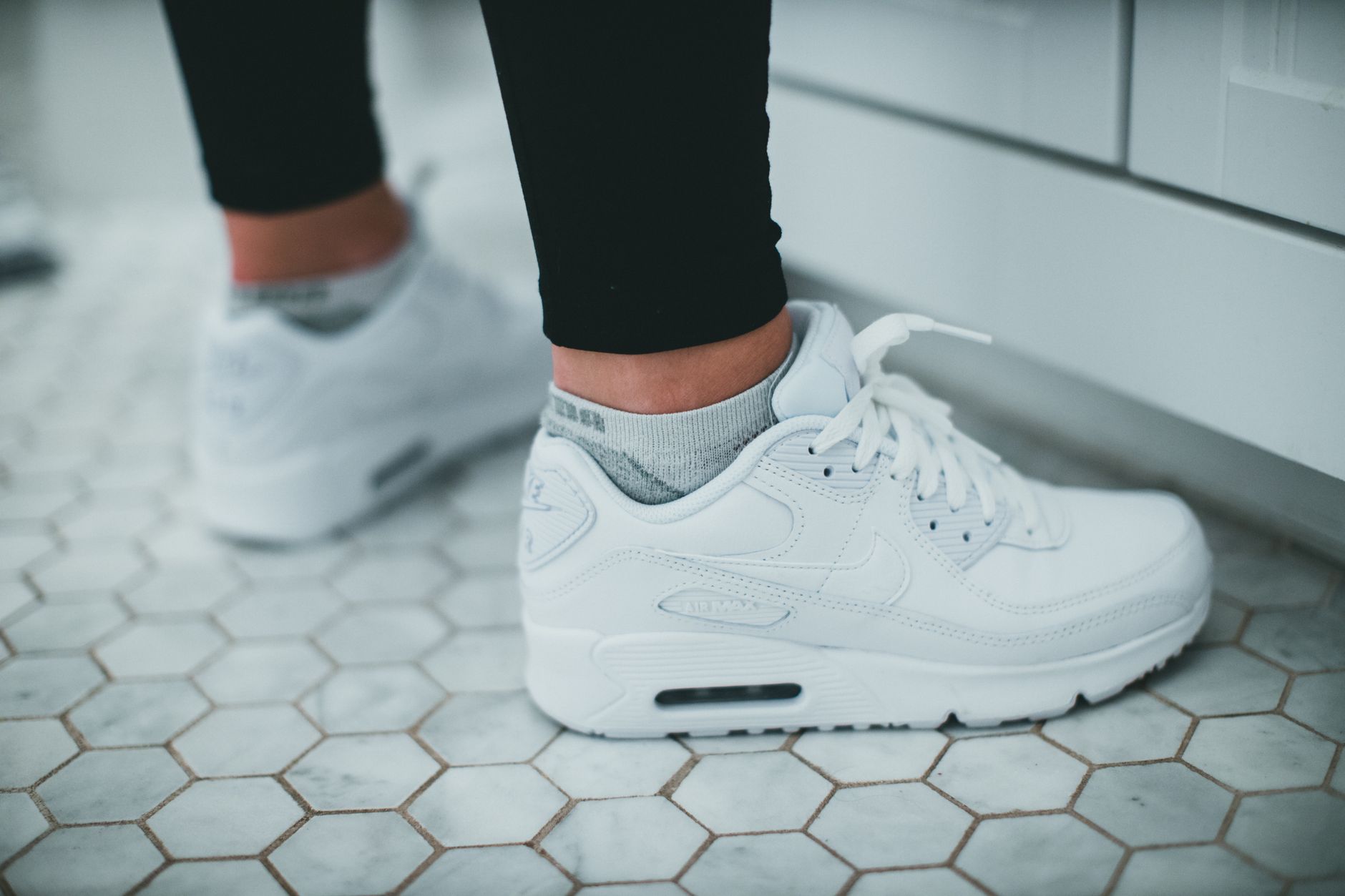
The quick list: podiatrist-recommended shoes for standing all day — what to buy and why
Use this fast selector to narrow choices without getting lost in tech terms. Every option below assumes the fundamentals: stable cushioning that compresses vertically without wobbling side to side, a structured midfoot, a firm heel counter, and a toe box with a thumb’s width of space at your longest toe.
- If your floors are wet or oily: choose slip-resistant work sneakers or closed-back clogs with published testing to standards like ASTM F2913 or SATRA SRC.
- If you stand on dry concrete: try max-cushion road-running–style work sneakers with a stable platform and a mild rocker to smooth your stride.
- If you need a smart look: consider supportive dress-casual shoes with hidden stability features and a removable insole for custom inserts.
- If you have flatter feet or overpronate: prioritize stability footwear with a structured midfoot and sidewall support.
- If you have high arches: look for softer underfoot feel with a stable base and optional rocker geometry to reduce forefoot load.
- If you need wide or extra-wide: filter for brands offering multiple widths and roomy forefoots.
- What to avoid for long hours: unsupportive flats, worn-out sneakers with packed-out foam, fashion shoes that bend in the middle, and high heels.
- Replacement plan: rotate two pairs, and replace at 400–700 standing hours per pair, or when midsole rebound fades and outsole traction wears smooth.
How to choose: features podiatrists prioritize for all-day standing
When your job asks you to stand and pivot all day, the shoe’s job is simple: disperse pressure predictably, hold your foot where it works best, and keep you upright on the surface under you. Here’s how the core features do that.
- Stable cushioning: You want foams that cushion vertical impact without collapsing side-to-side. Look for shoes that feel soft underfoot yet resist ankle-rolling forces. Many all-day pairs use broader bases or sidewalls to add stability.
- Support structure: A firm heel counter keeps your calcaneus centered, a structured midfoot helps resist excessive collapse, and shank/plate or midsole geometry can steer the foot forward smoothly.
- Rocker design (optional): A mild forefoot rocker can feel easier during long shifts by smoothing toe-off. The rocker should feel natural, not tippy.
- Fit essentials: A secure heel plus a roomy toe box create a 360-degree fit that doesn’t rub or pinch. Many people benefit from shoes with multiple widths. If you use custom or aftermarket insoles, confirm the shoe has a removable insole and adequate internal volume.
- Breathable, durable uppers: Mesh breathes; synthetic leather or treated textiles wipe clean more easily. Hospitals and kitchens often prefer closed uppers that are easy to wipe down.
- Outsole traction: If your workplace is wet, oily, or dusty, choose designs that publish slip-resistance testing results (for example, ASTM F2913 or SATRA SRC). On dry concrete, a large contact patch with durable rubber helps.
- Weight and drop: Lighter shoes may reduce day-end fatigue. Heel-to-toe drop (the height difference from heel to forefoot) changes how load spreads. Mid or low drops are common for standing comfort, but personal preference and calf flexibility matter.
If you’re new to structured shoes or rockered soles, ease in over a week; abrupt changes can feel odd until your body adapts. For a broader shopping checklist, see our practical buying primers: How to buy shoes: a quick, practical guide and Everything You Need To Know About Shoe Shopping.
Match your feet and workplace
Your feet and floors dictate the best category. This matrix will help you choose the right family before you look at brands.
Foot type basics
- Flat or overpronating feet: Many people feel better in stability designs with structured midfoot support, a firm heel counter, and a stable platform. The goal is predictable guidance, not stiffness.
- High arches: Higher arches often like more cushioning under the heel and forefoot plus a stable base. A gentle rocker can reduce forefoot load across long hours.
- Neutral: Balanced support with stable cushioning works for most, especially on hard floors.
Surfaces and settings
- Hospital tile and polished floors: Slip-resistant work sneakers or clogs with tested traction; breathable if you run warm, wipe-clean if spills are common.
- Retail and office: Stable, cushioned sneakers or dress-casuals with supportive insoles. If your dress code is strict, look for hybrid styles that hide support in a classic silhouette. For women’s dress options that still work for long hours, see Best Dress Shoes for Women Standing All Day: 2026 Guide.
- Concrete warehouses: Max-cushion road-running–style sneakers with stable platforms and durable outsoles; consider a mild rocker and robust midfoot structure.
- Kitchens and wet areas: Slip-resistant footwear with closed uppers and easy-clean surfaces; some prefer supportive clogs, others a sneaker feel.
- Outdoor and commute: If you face rain or slush, look for water-resistant uppers with stable cushioning and a tread that grips sidewalks and ramps.
Dress codes solved
- Athletic-looking allowed: Choose max-cushion road-running–style work sneakers with stable platforms.
- Sleek sneaker required: Look for work sneakers that hide stability features behind monochrome uppers.
- Clog-friendly: Closed-back clogs with firm heel counters and removable insoles for easy adjustments.
- Dress-casual only: Supportive loafers, oxfords, or derby styles with removable insoles and rubber outsoles.
Socks and insoles
- Socks matter: Cushioned or compression socks can improve comfort and reduce friction during long shifts.
- Aftermarket insoles: If you use an aftermarket insole, verify the shoe’s removable insole and interior volume; bring your insole to try-ons.
- Volume check: With your work socks and insoles in the shoe, you should still have a thumb’s width at the longest toe and no hot spots in a 10-minute walk.
Fit and comfort checklist: your 5-minute protocol
Use this at any store or during online returns to avoid common mistakes.
- Measure late day: Feet swell; measure and try shoes in the afternoon or after a shift.
- Try both feet: Many people’s feet differ. Fit the larger foot and adjust lacing for the smaller.
- Thumb’s width: Leave about a thumb’s width at the longest toe.
- Pinky test: Stand. Press your pinky at the forefoot’s sidewalls; your toes shouldn’t feel squeezed.
- Heel lockdown: Walk briskly and on stairs if possible; your heel should not slip.
- Flex point: The shoe should bend at the forefoot, not fold in the midfoot.
- 10-minute walk: Wear both shoes and walk for 10 minutes. No hot spots or rubbing.
- Width options: If the length is right but the sides feel tight, try wide or extra-wide.
- Work socks and insoles: Test with the socks and insoles you’ll wear at work.
- Slip resistance: If applicable, confirm the model lists testing for the floor type you face.
For more on getting fit right, browse our guides to walking shoes and wide toe boxes: The best walking shoes for daily use: a complete 2026 buyer’s guide and The 2026 Guide to the Best Walking Shoes Wide Toe Box.
Top picks by category and use-case
Below are the categories most workers rely on, plus what to look for in each. Because brands update models frequently, verify specs and certifications on brand sites before buying. Consider this table a shortcut to match your situation to the right family of features.
| Model/Type | Best for (job + surface) | Cushioning (1–5) | Stability (1–5) | Weight | Heel-to-toe drop | Rocker | Slip-resistance | Widths | Removable insole | Waterproof / easy-clean | Price band | APMA accepted | Fit notes |
|---|---|---|---|---|---|---|---|---|---|---|---|---|---|
| Max-cushion road-running–style sneaker | Dry concrete, retail backrooms, warehouse shifts | 5 | 3–4 (with a broad base) | Light to medium | Typically low–mid | Often mild | Not usually certified (check brand) | Often standard–wide | Usually yes | Some water-resistant options | Entry to premium | Varies; check APMA listings | Roomy toe box helps; confirm forefoot width |
| Slip-resistant work sneaker | Hospitals, restaurants, wet tile | 4 | 4 | Medium | Mid | Sometimes | Look for ASTM F2913/SRC test results | Often standard–wide | Usually yes | Easy-wipe uppers common | Entry to mid | Varies | Confirm outsole rating matches your floor type |
| Closed-back supportive clog | Kitchens, clinics, lab work | 4 | 4–5 (firm heel cup) | Medium | Mid–high | Common | Many list SRC or similar | Standard; some wide options | Often yes | Easy to clean | Mid | Varies | Snug heel, roomier forefoot; check heel hold |
| Supportive dress-casual (loafer/oxford/derby) | Retail/office with stricter dress code | 3–4 | 3–4 | Medium | Low–mid | Rare | Not typical | Standard–wide in some brands | Common | Water-resistant options exist | Mid to premium | Varies | Look for rubber soles and removable insole for inserts |
| Wide-width budget-friendly sneaker | Entry-level, cost-conscious buyers | 3 | 3–4 | Light to medium | Low–mid | Sometimes | Rare; verify before purchase | Often wide/extra-wide available | Usually yes | Varies | Budget to mid | Varies | Prioritize fit and midfoot structure over flashy features |
| Water-resistant/easy-clean work sneaker | Spill-prone stations, light outdoor exposure | 4 | 4 | Medium | Mid | Sometimes | Some list SRC/ASTM; confirm | Standard–wide | Usually yes | Yes | Mid | Varies | Expect slightly warmer feel; balance breathability needs |
Notes: Cushioning and stability scales are relative by category. Published specs such as stack height, drop, and slip testing vary by model and size; check brand pages for current details. If dress codes limit athletic styles, supportive dress-casuals with rubber outsoles and removable insoles are a practical compromise.
Care, break-in, and replacement timeline
The most comfortable shoe is a supportive shoe that still has its bounce and traction. A simple plan keeps you there.
- Break-in: Ramp up over 1–2 weeks. Start with 1–3 hours on day one and add an hour or two each day. Alternate with your old pair if needed.
- Rotate pairs: Two pairs, alternating daily, allow foams to rebound and dry completely, which can extend useful life and improve day-to-day comfort.
- Clean/dry routine: Wipe spills promptly. Remove insoles overnight to air dry. Hand-clean uppers as the brand suggests. Heat can damage adhesives and foams, so air dry away from direct heat.
- Replace insoles/socks: Fresh insoles and quality socks can restore comfort if the upper and outsole still look good.
- When to replace: Watch for smooth patches on the outsole, permanent midsole creasing that no longer springs back, or a return of end-of-shift aching despite good fit. A practical rule of thumb is roughly 400–700 standing hours per pair, varying by body weight, surface, and shoe.
- Cost-of-ownership: A $120 pair lasting 500 standing hours comes to about $0.24 per hour. Rotating two pairs can lower that cost per hour by extending total lifespan.
If you need a refresher on choosing and maintaining everyday shoes, skim How to Choose the Right Shoes: Fit, Comfort, and Care for Everyday Wear.
FAQs: quick answers to common searches
Which shoes are best for standing for long hours?
For most people on dry floors, max-cushion road-running–style work sneakers with a stable platform feel best. In wet or oily workplaces, slip-resistant work sneakers or closed-back clogs with published testing are safer choices. Always match foot type: stability-leaning designs can help flatter feet, while plush but stable cushioning often suits high arches.
What shoes do podiatrists say people should stop wearing for long shifts?
Common cautions include high heels, unsupportive flats, backless clogs that don’t hold the heel, ultra-flexible fashion sneakers that fold in the midfoot, and worn-out pairs with packed-out cushioning or bald outsoles. These options don’t give predictable support through a full shift.
What kind of shoes are best for your feet during all-day standing?
Shoes with stable cushioning, a firm heel counter, structured midfoot support, and a roomy toe box tend to work across foot types. If you add insoles or orthotics, choose models with removable insoles and enough internal volume. Breathability and weight also affect end-of-day comfort.
What shoes should you wear when working on your feet for 10 hours?
On dry concrete, a max-cushion, stable road-running–style sneaker with a mild rocker is a solid bet. On wet tile, choose a slip-resistant work sneaker or closed-back clog with tested traction. Build a rotation of two pairs and refresh them on a 6–12 month cadence depending on hours and wear.
When you want walking-focused options, compare features in our traveler and daily-use roundups: Best walking shoes for travel: 2026 fit and comfort guide and The best walking shoes for daily use.