If you want a wardrobe that works on autopilot, capsule wardrobe 2026 is the most practical lens to use. It takes everything we learned from minimal closets, quiet luxury, and workleisure, then updates it with roomier fits, smarter fabrics, and outfit formulas that flex between office, errands, and weekends without feeling repetitive.
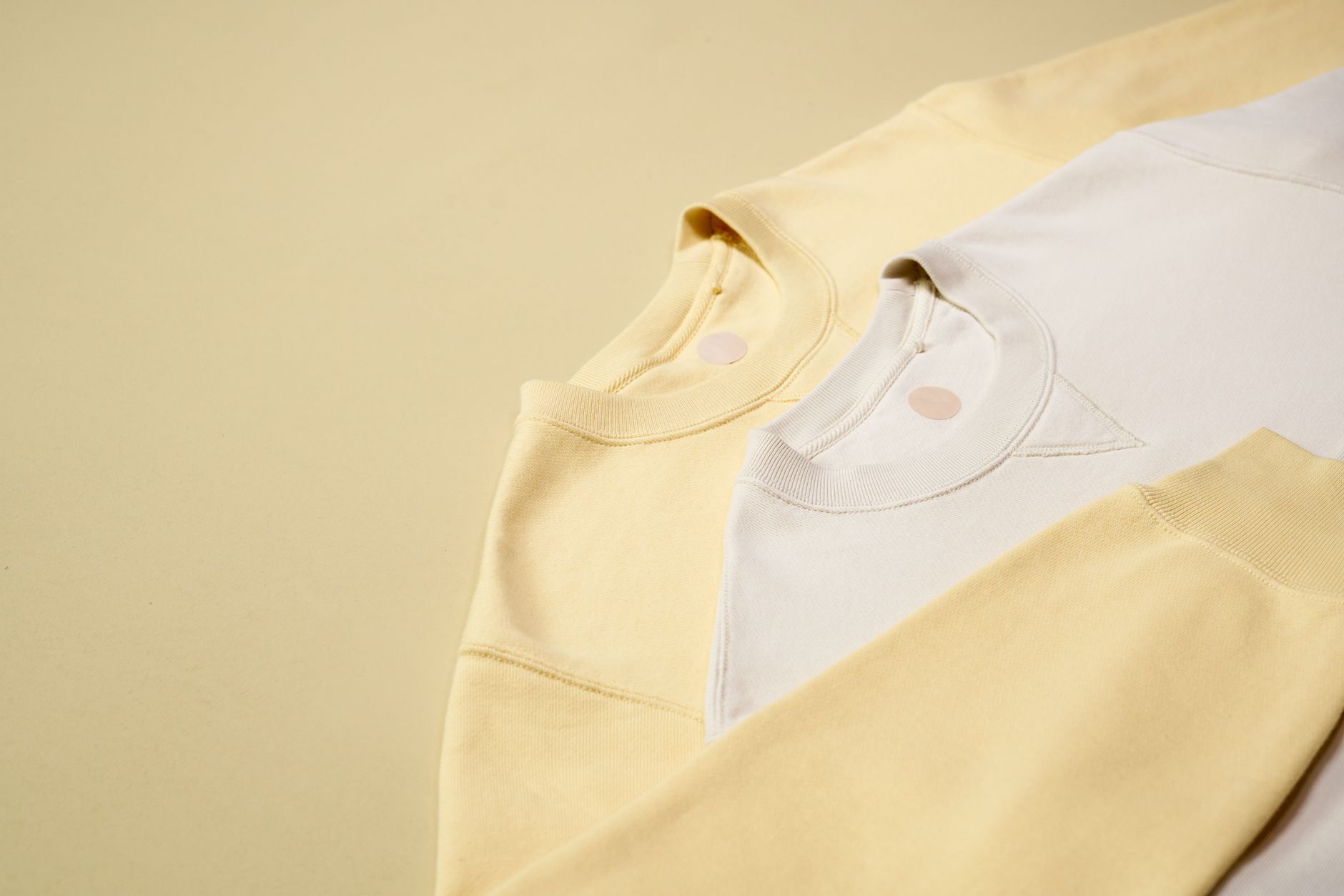
capsule wardrobe 2026: what it means now
The classic capsule promised fewer pieces and more outfits. In 2026, the idea evolves from strict minimalism to strategic versatility. That means fewer hard rules and more modular systems. Instead of insisting every item be black, white, and beige, the modern approach allows one or two accent colors that rotate with the season. Instead of a single blazer silhouette, you might run a boxy blazer for relaxed days and a darted blazer for sharper moments, both in fabrics that pack easily, resist wrinkles, and feel good for long stretches.
Two forces shape the newest version. Daily life still blends work and personal hours in flexible ways, so the line between weekday and weekend outfits stays blurry. Apparel technology also keeps improving: knit tailoring, breathable twills, double-weave trousers, and recycled blends raise comfort, polish, and durability. The result is a capsule that handles laptops-and-lattes mornings, commutes, meetings, and a last-minute dinner without a frantic outfit change.
Mindset matters as much as inventory. A useful capsule is not about owning as little as possible; it’s about removing friction. Each piece earns its spot by meeting three tests. One, it matches most of your other items by color and vibe. Two, the fabric performs (breathes, drapes, holds shape, or packs well). Three, the silhouette feels relevant now and likely still relevant a year from now. If an item misses two of those tests, it becomes a nice-to-have, not a core piece.
Think about the capsule as three layers of decision-making: anchors, accents, and adapters. Anchors are the dependable items you repeat (your best trouser, your go-to blazer, your everyday shoes). Accents are seasonal color pops and special textures that keep the capsule from feeling static. Adapters are the “glue” pieces that connect everything—simple belts, layering tees, lightweight knits, and scarves that tune warmth and mood. Once you see your closet through this lens, shopping and morning choices get faster because each new item has a purpose.
One simple planning tool is the Rule of 3: for every core piece, list three situations you’ll wear it and three other items it pairs with. If you cannot name those quickly, the piece may sit idle. Another is Outfit Math. If you keep four tops, three bottoms, two layers, and two pairs of shoes in the weekly rotation, you already have 4 × 3 × 2 × 2 = 48 potential combinations, even before counting accessories. The math shows why a small, thoughtful closet feels bigger than a crowded one.
Finally, design for your real life, not an imagined calendar. If your week includes two office days, two focus-from-home days, one school run, and a dinner out, build at least one easy formula for each slot. A capsule is successful when the clothes you use most sit at the center, and everything else orbits supportively rather than hijacking the plan.
Color palettes and textures that read modern
The modern capsule reads calm at first glance, then interesting up close. That balance comes from a base palette that stays neutral and a texture mix that creates depth without noisy prints. Start with three core neutrals: one light (ecru, soft white, stone), one mid (taupe, warm gray, olive drab), and one dark (charcoal, espresso brown, ink navy). Then add one or two accents that can rotate through the year.
- Base neutrals: ecru, stone, charcoal, ink navy, espresso
- Accent tones: muted indigo, terracotta, pine green, dusty rose
- Metal accents: brushed silver or muted gold rather than high-shine finishes
Texture is where polish lives in 2026. Matched sets in different textures give more mileage: a wool-blend blazer over knit trousers; a sateen shirt with matte cotton chinos; a ribbed tank under a smooth blazer. Because silhouettes skew relaxed, texture keeps the outfit from looking sloppy. A subtle herringbone blazer, a lightly slubbed tee, a clean twill trouser, and suede sneakers look intentional together even when the shapes are easy.
To choose accents that actually work with your skin tone and existing items, try a quick mirror test. Hold the candidate color near your face in daylight and take a photo beside one of your base neutrals. If the accent makes your skin look lively and the neutral doesn’t dull out, you likely have a keeper. Cooler undertones often harmonize with indigo and pine; warmer undertones tend to like terracotta and dusty rose; many people can wear both if the saturation stays muted.
Prints still have a place; they just serve the capsule instead of dominating it. Opt for micro-patterns (pin-stripe, fine check), low-contrast stripes, or a single statement scarf. Think of prints as emphasis, not identity. If you love bolder looks, place prints in accents that rotate—like a silk scarf, a short-sleeve shirt for summer, or a single seasonal skirt. These pieces add spark without blocking mix-and-match logic.
Two palette strategies work well for the year. For longer days and warm weather, run ecru, stone, ink navy, and dusty rose or light indigo. For shorter, colder days, shift to charcoal, espresso, ink navy, and terracotta or pine. Keeping your neutrals stable allows small accents and texture shifts to do the seasonal heavy lifting.
Core pieces: the 20-item framework
Numbers flex by lifestyle and climate, but a 20-item framework (not counting underwear, socks, and gym wear) can anchor a year-round capsule. Use it as a checklist you adapt to your routine and style.
- Tailoring and layers: boxy blazer, darted blazer or chore jacket, lightweight trench or car coat, insulated layer (liner jacket or thin puffer), cardigan or knit jacket
- Tops: crisp button-up, soft button-up, two elevated tees, two knit tops (tank or long sleeve), one seasonal statement top
- Bottoms: wide-leg trouser, tapered trouser, dark denim, lighter or ecru denim, smart jogger or knit pant
- Dresses/one-pieces (if you wear them): knit dress or shirt dress, jumpsuit or slip dress
- Shoes: sleek sneaker, leather loafer or ballet flat, ankle boot or refined boot, warm-weather sandal
That skeleton becomes personal through fabric and fit. In a warm climate, shift weight to breathable cotton-linen blends, drop the insulated layer, and add a second pair of sandals. In a colder city, keep two knit jackets or a heavier wool trouser in rotation and consider lined boots. The key is covering the situations you repeat most: commuting, desk days, meetings, errand runs, weekend brunch, and evenings out. When you see an activity show up twice a week, make sure a reliable outfit formula exists for it.
Layering gives this framework range. An oversized cardigan turns a shirt-and-trouser set into a cozy office look. A slim turtleneck under a suit jacket softens formal edges. A silk scarf adds color against denim and a blazer. A simple belt with a quiet metal buckle finishes an outfit and helps proportions when you tuck shirts into easy trousers.
If you prefer skirts or shorts, substitute without losing cohesion. A straight knit skirt in a core neutral can stand in for tapered trousers. Tailored shorts in cotton-linen work where summers are long. Keep the color rules consistent so each swap multiplies the same outfit formulas rather than creating a separate mini-closet you struggle to link with the rest.
To translate the checklist into an actual week of outfits, set up three repeatable formulas that reflect your routine. For example: blazer + tee + wide-leg trouser + sneakers for creative-office days; knit jacket + button-up + tapered trouser + loafers for meetings; shirt dress + cardigan + boots for cooler weekends. Make one photo album on your phone titled “Capsule Week” and drop mirror snaps there. Decision fatigue shrinks when you can scroll yesterday’s solution and repeat it in a slightly different way.
Fabric smarter: breathable, durable, low-maintenance
Fabric determines comfort and lifespan, which determines cost-per-wear. In 2026, versatile blends rule. Cotton-linen mixes bring breathability without the extreme wrinkles of pure linen. Double-weave and ponte knits give trousers structure while moving like loungewear. Technical merino blends regulate temperature on long days. Recycled polyester with mechanical stretch allows crease recovery and simple care.
- Everyday shirts: cotton poplin for crispness; Tencel or lyocell for drape and softness
- Trousers: double-weave, ponte, stretch twill, or wool-blend suiting with a bit of give
- Knit tops: fine-gauge merino blends, fully fashioned cotton, ribbed modal for softness
- Outer layers: recycled poly or nylon shells with soft hand, bonded cotton for weather resistance
Run quick tests in-store. Scrunch the fabric lightly to see if wrinkles fall out; check opacity under strong lighting; check pocket show-through on lighter trousers. Give special attention to seams: straight, secure stitches with a tidy back-tack at stress points signal care in construction. Favor machine-washable or gentle hand-wash items for pieces you wear most. Dry-clean-only is fine for a blazer you use weekly; less ideal for a tee you reach for every other day.
Care labels can be cryptic. A few simple habits go far: a fabric brush for wool coats, a sweater comb for pills, mesh laundry bags for knits, air-drying on wide hangers to preserve shape, and storing knits folded instead of hanging to limit stretching. Those small routines extend life and keep your capsule looking new.
Consider weight, too. Shirts in the 110–140 g/m² range balance opacity and drape; heavier twills give trousers clean lines; airy open knits breathe better in heat than dense jersey. If you buy one piece to handle temperature swings, choose a midweight knit or a double-weave trouser that reads polished with blazers yet works with sneakers on casual days.
Silhouettes and fit: relaxed precision
Silhouettes in 2026 lean relaxed but intentional. Trousers sit at the natural waist, loosen through the thigh, and drape smoothly to a full-length break or a neat crop that hits above the ankle. Blazers relax in the shoulders with modest padding, lapels widen a touch, and lengths vary: a longer line flatters wide-leg trousers; a shorter, boxy cut pairs with high-waist denim. Shirts skim instead of cling. Tees have sleeves that land at mid-bicep and hems that tuck cleanly.
If you’re shifting from years of skinny silhouettes, try one change at a time. Start with a straight or tapered trouser rather than jumping to wide-leg. Swap a cropped, narrow jacket for a slightly longer, straighter one. Proportions are a puzzle; moving one piece often solves the rest. A roomier bottom usually wants either a shorter top or a top with structure (think: tucked shirt, structured tee, neat sweater). A long top often looks best with a more tapered bottom and a hint of ankle.
Fit adjustments are the hidden power move. Hemming trousers to the right break, shortening sleeves, and shaping the waist on a blazer change the look more than buying a whole new piece. If you’ve never used a tailor, bring one outfit you want to love more and ask for small tweaks. A skilled alterer will show you where a quarter-inch makes a big difference. To prepare for a fitting, take the shoes you plan to wear and your usual belt; stand naturally and take a couple of phone photos to compare before and after.
A basic try-on script helps you evaluate without guesswork. Sit, stand, and raise your arms. Check shoulder seams, pocket pull, and back thigh drag lines. Make sure buttons don’t strain and collars lie smoothly. For pants, look at the rise (roomy enough when sitting?), seat (no horizontal pulling), and hem (clean break over the shoe). If two sizes both seem close, pick the one that allows future alteration: you can take garments in more easily than letting them out.
Footwear and accessories that stretch outfits
Shoes and accessories decide whether an outfit leans polished, casual, or playful. The smartest capsule leans on four shoes: a sleek leather or vegan leather sneaker with minimal branding, a loafer or ballet flat, an ankle boot with a walkable heel or a refined Chelsea, and a warm-weather sandal secure enough for city walking. If you dress up often, a simple pump or slingback can replace the sandal.
Bags follow the same logic. One compact crossbody that holds phone, cards, keys; one structured tote that stands on its own and swallows a laptop; and one small weekender for short trips. If you commute by transit, consider a tote with a zip top and a strap drop comfortable over outerwear. Belts matter again, but hardware stays quiet. Jewelry sticks to a few signatures you love—small hoops or studs, a simple chain, a watch. Hats and scarves add seasonality and personality, but keep them within your palette so they multiply outfits instead of limiting them.
Plan how footwear flips the mood of your formulas. Blazer + tee + trouser with sneakers reads creative-office casual; swap sneakers for loafers and you’re meeting-ready. Knit dress with sandals is weekend brunch; with boots and a cardigan it goes to work. Socks and hosiery also carry weight: thin rib crew socks in a matching neutral extend the line of a trouser; sheer tights with ankle boots refine a knit dress; no-show socks keep sneakers clean without breaking the visual line.
Care adds longevity. Rotate shoes to let them dry fully, insert cedar shoe trees in leather styles, and wipe dirt off soles at the end of the day. Condition leather lightly when it looks dry. Store bags stuffed with soft paper so the shape holds. Small, regular attention beats major fixes later and keeps the capsule feeling crisp.
Office to off-duty: workleisure capsules
Workleisure is not sweatpants in a boardroom; it’s tailored comfort that earns credibility in a meeting and feels easy at the desk. Build three micro-capsules inside your main closet that you can pull on repeat.
- Meeting days: boxy blazer, crisp button-up or fine-gauge knit, tapered double-weave trouser, loafers or ankle boots
- Focus days: knit jacket or chore blazer, soft button-up or ribbed tee, knit pant or relaxed chino, sleek sneakers
- Social evenings: darted blazer or longline vest, drapey top, dark denim or wide-leg trouser, boots or slingbacks
Outfit formulas keep decision fatigue low. Try these combinations and adapt them to your palette and climate:
- Boxy blazer + ribbed tank + wide-leg trouser + sneakers
- Fine-gauge turtleneck + tapered trouser + ankle boots + trench
- Silk shirt + dark denim + loafers + belt + compact crossbody
- Knit dress + long cardigan + ankle boots
- Short-sleeve sateen shirt + ecru denim + sandals
Map your week to your closet. If you work hybrid, keep a “desk-ready rail” on your clothing rack: two blazers, two trousers, three tops, and one pair of meeting shoes that you grab without thinking. If video calls dominate, focus on collars and knit textures that read well on camera, then keep bottoms exceptionally comfortable. When the palette stays coherent, the suit jacket also pairs with jeans and the suit pants with knit tops, multiplying use and reducing the need for separate weekend wardrobes.
Seasonal swaps: warm, cold, wet
Great capsules morph with the calendar. Instead of rebuilding the closet each season, swap a handful of fabrics and accents while keeping your backbone silhouettes.
- Warm season: cotton-linen shirts, airy tees, ecru denim, unlined blazers, shorts if you wear them, sandals
- Cold season: merino and cashmere blends, lined trousers, heavier denim, insulated liner or puffer, boots
- Wet months: bonded cotton trench, water-resistant sneakers or boots, quick-dry pants, compact umbrella
Layering systems help. Think base, mid, and shell. Base layers should breathe and move easily. Mid layers add insulation (cardigans, knit jackets). Shells block wind or light rain without bulk. When the base is comfortable and the shell is clean and quiet, the outfit reads refined even if the weather is messy.
Color rotates too. Keep your core neutrals and switch accents: dusty rose and light indigo for spring; olive and terracotta for fall; pine and charcoal depth for winter; sand and sky tones for high summer. A scarf or a knit in the season’s accent can make last season’s pieces feel current without buying a full outfit. Take ten minutes at the start of each season to move accent items to the front and park off-season pieces in breathable bags on a high shelf.
Finally, manage comfort details. Swap to merino socks in cold months and lighter cotton in heat. Adjust belt widths to match heavier or lighter fabrics. Check hem lengths with seasonal shoes—what looks right with sandals may need a half-inch adjustment for boots.
Travel packing: the 10×10 matrix for a week
A travel-ready capsule is a stress test for your closet. The 10×10 method—ten pieces to make around ten days of looks—forces smart choices. Aim for two light layers, four tops, three bottoms, and one dress or wild-card piece; pack two pairs of shoes and one bag that slips onto a suitcase handle.
- Layers: boxy blazer, lightweight cardigan
- Tops: crisp button-up, drapey button-up or blouse, ribbed tank, elevated tee
- Bottoms: wide-leg trouser, dark denim, knit pant or tapered trouser
- Wild card: knit dress or a short-sleeve statement shirt
- Shoes: sleek sneaker, loafer or ankle boot (based on destination)
Pack within your home palette so pieces multiply. Build outfits by activity rather than day: transit with stretch and pockets; daytime sightseeing with breathable layers; evenings with one dress-up piece and a small accessory shift. Rolling garments and using packing cubes can reduce creasing. A small stain stick, lint brush, and travel-sized fabric refresher extend wears between washes; a sink-friendly detergent sheet makes hand-washing easy if needed.
If you travel often for work, keep a permanent list on your phone and pre-pack tiny essentials: charger, plug adapter, deodorant, a neutral belt, and a compact umbrella. Put socks and underlayers into shoes to save space, and place the blazer flat on top to arrive crease-minimized. Ask your hotel about a steamer or use a hot shower to steam wrinkles gently while you get ready.
Care, storage, and sustainment
A capsule is an investment in focus. Treat it like equipment you rely on every day. That doesn’t mean fussy rituals—just consistent, simple care that preserves shape and color.
- Laundry cadence: wash tees and tanks every wear or two; shirts every 2–3 wears; trousers and denim every 4–6 wears unless visibly soiled
- Mesh bags for knits and delicate fabrics; air-dry on wide hangers or a flat rack
- Spot-clean quickly; rotate shoes to let leather rest and dry; use shoe trees
- Brush wool coats; de-pill sweaters with a gentle comb; steam shirts for a crisp finish instead of frequent ironing
Storage decisions support longevity. Off-season knits rest clean in breathable bags with cedar or lavender to lower the chance of closet pests. Leather benefits from shoe trees and the occasional wipe with a neutral conditioner. Air garments between wears. Quick resets keep closets tidy and show what you actually reach for.
Build a small repair habit. A replaceable button, a small seam reinforcement, or a zipper slider swap can add seasons to a piece. Keep spare buttons in a labeled pouch. Store a tiny mending kit next to your lint brush. When something falls out of rotation, decide why: fit, condition, or style drift. If the fit is off, a tailor may bring it back. If the condition is poor, recycle or repurpose responsibly. If the style no longer feels like you, resell or donate and note the lesson before buying a “better” replacement.
Create a 30-minute weekly refresh: return strays to their spots, brush two garments, wipe a pair of shoes, and pre-plan one outfit for next week’s busiest day. These small moves keep the capsule looking deliberate and reduce last-minute stress.
Budget and buying plan, with priorities
Spending strategically beats chasing discounts. A simple rule of thumb is to allocate more budget to the pieces that anchor outfits and see heavy wear, then save on accent items. For many people, that looks like this:
- High priority: trousers that fit beautifully; daily shoes that walk for miles; one blazer that lifts everything
- Medium priority: knitwear in your signature weight; shirts that layer well; an outer layer that handles your climate
- Low priority: seasonal accents like a fun shirt, scarf, or a non-neutral belt
To keep cash flow predictable, plan quarterly reviews. Each quarter, refresh one core item if needed and one accent for energy. Track cost-per-wear loosely: if a $160 trouser sees 80 wears in a year, that’s $2 per wear, which is efficient if it anchors your weekly rotation. Conversely, a $40 tee that sits in a drawer costs more in space and attention than the price suggests.
When shopping, use a shortlist and a pre-check. The shortlist is three specific gaps (for example: ecru denim with stretch; black ankle boots with low heel; lined trench with removable hood). The pre-check is five quick questions: Will this item pair with at least five things I own? Does it fit my palette? Does the fabric meet my comfort and care preferences? Is the silhouette current for the next year? Will I reach for it this week? If you can’t answer yes to four, you probably don’t need the item.
Consider secondhand and consignment for higher-quality fabrics at approachable prices. The capsule mindset makes resale easier because your color rules and silhouette preferences are clear. If you buy online, take measurements of a similar piece you love and compare against the listing’s measurements rather than relying on size labels, which vary widely.
Common mistakes and how to fix them
Even thoughtful closets can drift. Here are frequent snags and low-effort corrections.
- Too many duplicates: If you have four similar black tees, replace two with a ribbed tank and a fine-gauge long sleeve for range.
- Palette creep: When colors multiply, outfits slow down. Park out-of-palette pieces and reintroduce them one at a time as accents.
- Uncomfortable footwear: The wrong shoe sabotages otherwise great formulas. Prioritize one pair that fits your day (commuting, standing, weather) and aligns with your outfits.
- All trend, no backbone: Statement pieces are fun, but make sure your core rotation covers your week first.
- Hard-to-care fabrics: If laundry slows you down, favor machine-washable blends for daily wear and reserve special-care fabrics for occasional use.
- Proportions off: If an outfit feels “meh,” change one dimension—tuck or un-tuck, swap ankle socks for a longer sock, or raise the hem by a half-inch.
- Overlooking tailoring: A $20 sleeve shorten or hem can make a piece feel custom and unlock many more wears.
Run a quick 60-minute audit at the start of a new season. Step 1 (15 minutes): pull everything into view and group by color. Step 2 (15 minutes): test two hard-to-style items with three partners each; keep or release based on the results. Step 3 (15 minutes): list three gaps and one accent for energy. Step 4 (15 minutes): build one ready-to-wear outfit on a hanger for your busiest day. This fast reset protects your capsule from drift.
If you want inspiration pinned to current palettes and silhouettes, browse our clothing-trend updates. Start here: clothing trend. You’ll find outfit formulas that echo the guidance here, plus seasonal swaps and fabric spotlights that make your capsule adapt smoothly through the year.
A good capsule does not feel like a uniform. It feels like clarity. When color, fabric, and fit harmonize, you stop overthinking what to wear and start noticing how much you enjoy wearing it. That steady satisfaction is the payoff for a few smart choices made once and reinforced over time.