If your toes feel cramped in standard sneakers, the best walking shoes wide toe box are pairs that leave natural space across the forefoot without sacrificing midfoot security or heel hold. In plain terms, you want shoes shaped like feet, not foot-shaped shoes crammed into a narrow front—room up front, snug through the middle, and stable underfoot.
Here’s what to do now: measure your forefoot, decide how much room you need, and match that to the right category—natural foot-shape options, cushioned rockers, or traditional walkers offered in 2E/4E widths. Then check fit using a simple checklist: a thumbnail of space in front of the longest toe, wiggle room side-to-side, no pressure on the big-toe joint, midfoot comfortably secure, and the shoe bending where your foot bends.
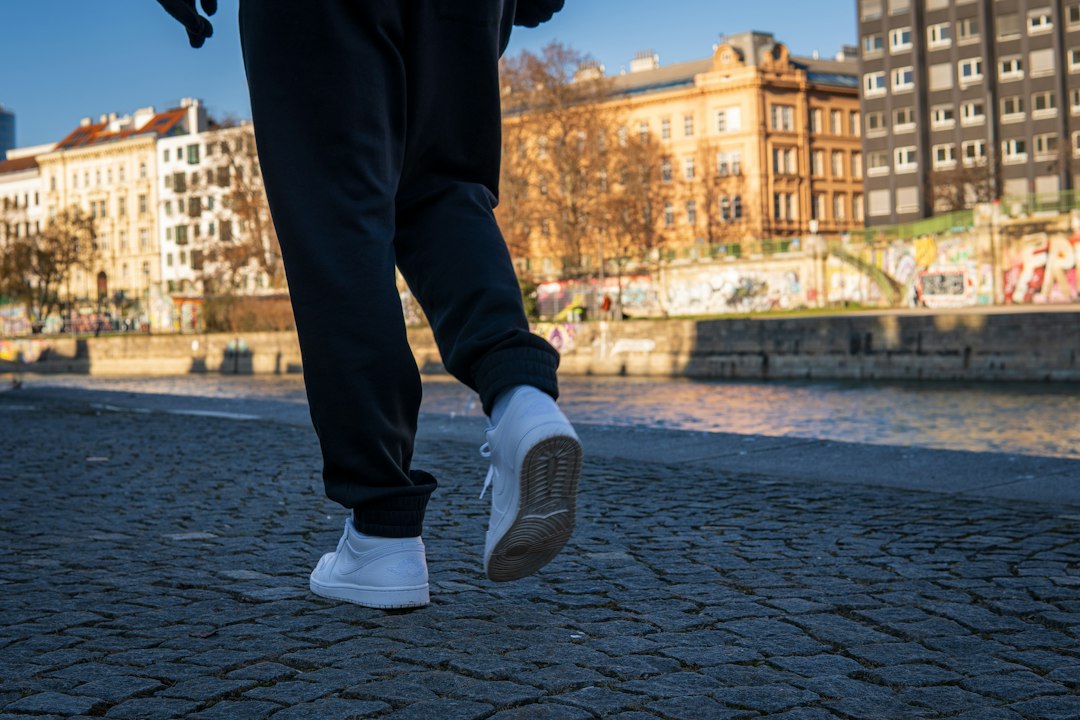
Best Walking Shoes Wide Toe Box: Who They Fit And What To Buy
“Wide toe box” means additional horizontal room across the forefoot, especially around the big-toe joint (first metatarsal head) and the pinky side. It does not require a sloppy fit everywhere; the heel and midfoot can stay secure while the front opens up. These shoes suit people who feel rubbing on the sides of the toes, notice their big toe drifting inward in tight shoes, see callusing along the forefoot from compression, or simply prefer natural toe splay for balance and comfort. If you’re training for long walks, traveling, or standing on your feet for many hours, the extra room may help reduce pressure hotspots and keep your feet more comfortable as they swell through the day.
There are three broad ways brands create toe room. First, a foot-shaped last (the 3D form shoes are built on) with a wide front and a truer alignment for the big toe; this often appears in “natural” or “zero-drop” styles. Second, traditional athletic walkers that come in multiple widths (look for 2E/4E for men, D/2E for women) and a rounded, higher-volume forefoot. Third, stretch or knit uppers that adapt to the forefoot while the midfoot stays supportive. Some brands known for publicly marketing roomier fronts include Altra and Topo Athletic (foot-shaped options), plus New Balance and Brooks via width offerings; HOKA and others provide select models with wider fits. Always check the brand’s current sizing charts and product pages for width labels, as availability changes by model.
The right choice depends on how you walk and where you’ll use the shoes. If you like a natural stance and softer landings, the foot-shaped, lower-drop styles feel very roomy and let your toes spread. If you want maximum cushion for long urban walks, a rocker-bottom walker with a wide toe box disperses load efficiently. If you need a conventional look for work, a leather or leather-blend walker in wide widths may fit policies while still giving your forefoot breathing room.
| Category | Common Features | Best For | Upsides | Trade-offs |
|---|---|---|---|---|
| Natural foot-shape (often zero-drop) | Foot-shaped last, roomy forefoot, flexible forefoot | Toe splay, balanced stance, shorter daily walks to fitness walks | Very free toes, natural feel | Less built-in motion control; you supply the stability |
| Cushioned rocker walkers | High stack cushion, slight rocker, optional wide width | Long urban walks, all-day wear on hard floors | Loads spread smoothly, less forefoot pressure | Higher platform; some feel less nimble |
| Stability walkers in wide widths | Medial support, structured uppers, 2E/4E sizes | Pronating walkers wanting guidance with toe room | Support + space up front | Heavier, stiffer feel |
| Everyday leather or casual walkers | Leather or leather/mesh, round toe, wide widths | Work settings, business-casual outfits | More polished look | Less airy than mesh; longer break-in |
| Weather-ready wide forefoot | Water-resistant uppers, grippy outsole, wide sizes | Rainy cities, shoulder-season travel | Dry feet, secure traction | Warmer; can feel snug if not sized well |
Measure Your Forefoot So Width Labels Make Sense
Labels like “wide” or “2E” only help if you know your own numbers. Measure your foot length and forefoot width at home with paper, a pen, and a ruler. Do this at day’s end when your feet are slightly larger.
- Stand on a sheet of paper wearing the socks you’ll walk in. Trace around both feet while standing evenly.
- Mark the longest toe and the center of your heel. Measure that length in centimeters and inches. One foot is usually longer; use the longer measurement.
- Measure the widest horizontal distance across the ball of your foot (big-toe joint to pinky-toe joint). Do this for both feet.
- Compare your numbers to brand charts. Many athletic brands publish length-to-size charts and width indicators (B/D as “standard,” D/2E as “wide,” 2E/4E as “extra-wide,” varying for men and women). Foot-shaped brands often list forefoot volume notes instead of traditional letters.
- Account for orthotics or insoles if you use them, since they take up volume and can make a shoe feel snugger up front.
If you have a Brannock device at a local store, ask for a quick measurement of both length and ball width. Then translate those measurements into the brand’s own scheme. A “wide” in one model may equal “standard” in another; rely on your foot measurements first and the label second.
Quick Fit Checklist For Wide Toe Box Walking Shoes
- Space in front: about a thumbnail (roughly 10–15 mm) beyond the longest toe when standing.
- Side room: you can wiggle all toes freely, with no rubbing at the big-toe joint or the pinky side.
- Midfoot security: the laces snug the saddle comfortably; you can lock the heel with a runner’s knot if needed.
- Flex point match: the shoe bends where your toes bend. If the bend happens under the arch, try another model.
- Heel hold: no slipping on stairs; mild slip at first can resolve with proper lacing, but persistent slip is a red flag.
- Sock test: wear the socks you’ll walk in—thicker socks reduce interior room.
- Afternoon test: try shoes in the late afternoon or after a long walk when your feet are a bit larger.
- Left-right check: buy for your larger foot; fine-tune the smaller side with lacing or a thin tongue pad.
Design Details That Actually Create Toe Room
Toe space comes from more than a “W” on the box. These specifications and build choices matter just as much:
- Last shape and volume: A foot-shaped last has a broader, more anatomical forefoot. Even in traditional lasts, models with a taller toe box give more vertical volume so toes aren’t pressed upward.
- Upper materials: Engineered mesh, woven knit, or strategically placed overlays can allow the forefoot to expand under load. Leather gives structure and durability but takes longer to soften; look for a rounded toe and fewer stiff overlays on the sides.
- Toe bumper geometry: A slim or beveled toe bumper maintains protection without stealing interior space. Thick, hard toe caps can reduce usable width.
- Insole thickness and liner: Cushioned insoles add comfort but reduce interior volume. If you need more room, a thinner insole can help; if you use custom inserts, choose models with removable insoles.
- Lacing system: Offset eyelets and midfoot saddles help you secure the middle while leaving the front free. If you feel pressure across the forefoot, experiment with window lacing to remove tension over sensitive spots.
- Outsole platform: Some shoes widen the platform under the forefoot to increase stability and usable width. A broad base with slight flare can feel more planted for long walks.
- Heel-to-toe drop and rocker: Lower-drop shoes often feel roomier up front because your weight spreads more evenly. Rocker geometry can roll you forward, reducing pressure on the front over long mileage.
Pay attention to how these variables show up in spec sheets and product photos. A “wide” size built on a narrow last may still feel tight; meanwhile, a foot-shaped standard width can feel adequately roomy for some walkers without needing a W/2E label.
Choose By Use Case: Travel, All-Day Standing, Fitness Walks
Different days need different designs. Use this guide to map toe-room choices to common scenarios.
City travel: Look for a breathable mesh or knit upper, a rubber outsole with urban traction, and a wide forefoot that allows swell over long walking days. A moderate cushion with a mild rocker helps you cruise over concrete while keeping the toes free. If you’re building a packing list, see this trip-focused walkthrough: Best walking shoes for travel: 2026 fit and comfort guide.
All-day standing or retail/floor work: Prioritize a stable platform, a supportive midfoot, and a roomy, rounded toe. Leather or leather/mesh hybrids hold up to scuffs. If your workplace leans business-casual, choose a simple, clean silhouette with wide widths so the forefoot stays comfortable through long shifts.
Weekend fitness walks and errands: Foot-shaped options feel great for shorter, moderate-pace walks and daily movement. They let your toes spread for balance and an engaged stride. If the surface is mostly hard pavement, balance the natural feel with enough cushioning to keep your forefoot comfortable.
Rainy climates or shoulder seasons: A weather-ready upper plus wide sizing prevents the “shrink wrap” feeling when shoes get damp. Remember that many water-resistant liners reduce airflow; if you run warm, size and sock choice become more important to maintain forefoot comfort.
Daily-use all-rounders: If you want a single pair that handles neighborhoods, commutes, and casual outfits, consider a traditional walking model available in multiple widths. A rounded toe and a mesh/leather mix can hit the sweet spot between polish and comfort. For a broad overview of everyday walking categories, compare this guide: The best walking shoes for daily use: a complete 2026 buyer’s guide.
How To Shop, Try On, And Buy Smart
Shopping for a wide toe box can feel tricky because sizing isn’t standardized. Use a plan:
- Create your baseline: use the home tracing method above and note both length and ball width. Keep those numbers handy when reading product pages.
- Shortlist by shape: pick 2–3 categories that fit your use case (natural foot shape, rocker walker, or wide-width traditional), then filter by width availability.
- Order two sizes when possible: if a retailer offers free returns, try your typical length in both standard and wide, or order half a size up and your regular size to see which gives the right toe clearance without losing midfoot security.
- Test at home: walk up and down stairs, do quick stops and starts, and check toe freedom at the end of the day. Keep floors clean so returns stay eligible.
- Keep notes: which last felt naturally roomy, which brand’s “wide” matched your numbers, and which lacing fixes solved midfoot pressure.
For more practical pointers on checking fit and build quality in-store and online, this quick read is worth bookmarking: How to buy shoes: a quick, practical guide. If you are shopping for women’s sizes and styles specifically, you may also find targeted tips here: Smart shopping for the best walking shoes for women in 2026.
Care, Wear-In, And When To Replace
Wide toe box shoes made with mesh or knit usually feel good right away; leather styles may soften over a week or two. Help them feel their best by following a simple routine:
- Alternate pairs if you walk daily; foams recover better with time off, which can keep the forefoot feeling spacious and springy.
- Air-dry overnight with the insoles pulled out. If the shoes get wet, stuff with paper towels and replace them as they soak through. Avoid heat sources that can stiffen glues and shrink uppers.
- Clean gently: wipe leather with a damp cloth and a small amount of mild cleaner; brush mesh free of grit so it stays flexible across the toe box.
- Refresh insoles if they compress; a thin, new insole can restore interior feel without stealing toe room.
- Track mileage or months: most walkers feel their cushioning fade between 300–500 miles of use, depending on body weight, surfaces, and stride. If you notice new forefoot pressure or the toe box suddenly feels tight, the midsoles may be packing out or the upper has stretched in the wrong areas—both are cues to replace.
Common Mistakes To Avoid With Wide Toe Box Shoes
Even good pairs can feel wrong if you miss these basics:
- Buying too long instead of wide enough. Extra length can cause heel slip and clumsy transitions. Use your foot width numbers first, then ensure that 10–15 mm length buffer.
- Ignoring forefoot height. Width matters, but low ceilings press on toenails. Look for models that advertise a higher-volume toe box if your toes feel lifted by the upper.
- Overly soft midsoles for all-day concrete. Plush feels great at first, but if the foam bottom-outs mid-walk, you can feel new pressure up front. Match cushioning firmness to how far and where you walk.
- Expecting a single pair to fit every scenario. If you alternate between 3-mile lunchtime walks and 12-hour travel days, you may need a natural foot-shaped pair for short walks and a rocker-cushioned pair for marathons-on-foot.
- Over-tight lacing across the forefoot. Lock down the midfoot and heel, but keep the front relaxed. Try window lacing if you feel pressure across the ball of the foot.
- Assuming “wide” means no stability. Many stability-oriented walkers come in wide widths or use broad platforms. If you appreciate subtle guidance, search for those features and sizes together.
Final Sizing And Style Notes
When in doubt between a longer standard width and a true wide in your usual length, start with the true wide. Your goal is a natural, pressure-free forefoot with secure midfoot hold and reliable traction underfoot. If you expect variable terrain or weather, consider a pair with mild rocker, a broad outsole under the forefoot, and an upper that balances breathability with structure. For travel-specific packing and on-the-go care ideas, cross-reference this article as well: The best walking shoes for travel: fit, comfort, and care.
Wide toe box walking shoes aren’t a niche anymore—they’re a fit choice. Measure, shortlist by shape, test at home, and buy with a return window. The right pair makes room for your toes and your day.